





Mastering Monsoon Watering
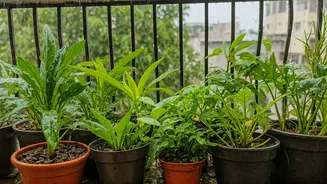
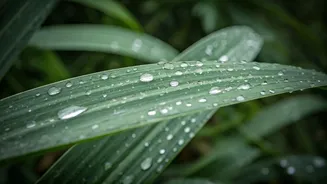
The single biggest mistake in monsoon gardening is overwatering. With frequent rains and high humidity, your plants are rarely thirsty. The real enemy is waterlogging, which suffocates roots and leads to root rot. Your first line of defence is excellent
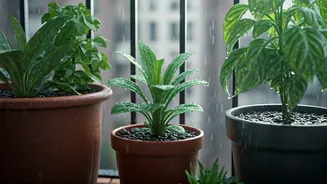
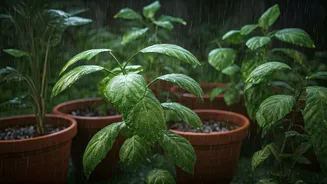
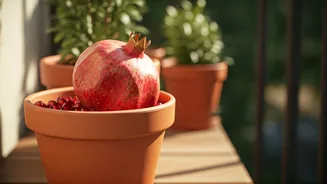
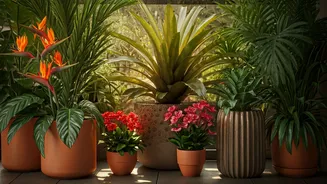
drainage. Ensure every pot has multiple, unobstructed drainage holes. Terracotta pots are a good choice as their porous nature allows moisture to evaporate. Elevating your containers on bricks or plant stands is a simple but highly effective trick. This prevents them from sitting in puddles and allows excess water to drain away freely. Stop watering on a fixed schedule. Instead, rely on the finger test: push your finger two inches into the soil. If it feels moist, don't water. Let nature do its job. During particularly heavy downpours, consider moving smaller, more delicate pots to a sheltered spot to avoid being battered by the rain.
The Battle Against Pests and Fungi
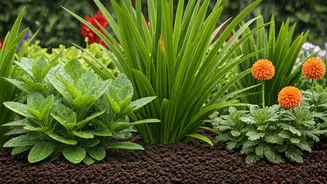
High humidity and constant dampness create a paradise for fungal diseases and pests. Powdery mildew, which looks like a white dusting on leaves, is extremely common during this season. You may also see leaf spots and other fungal infections. Good air circulation is key to prevention. Avoid overcrowding your plants; give them space to breathe so their leaves can dry out faster after a shower. Regular pruning of dead or yellowing leaves also improves airflow and removes potential breeding grounds for disease. For an organic line of defence, a preventative spray of neem oil solution every 10-15 days can work wonders. This helps deter common pests and acts as a natural fungicide. Always inspect your plants regularly for early signs of trouble, like wilting despite moist soil or soft, mushy stems.
Sunlight, Support, and Soil Nutrition
Overcast skies mean less sunlight, which can slow down growth for some plants. Try to place your sun-loving plants in the brightest part of your balcony or terrace. The monsoon also brings strong winds, which can topple tall plants or snap stems. Provide support to taller species using stakes. Heavy rainfall can also wash away essential nutrients from the potting soil. To counteract this, it’s important to replenish the soil’s food supply. However, fertilize less frequently than in other seasons. Opt for slow-release organic fertilizers like vermicompost or well-rotted cow dung manure. These release nutrients gradually and improve soil structure without the risk of being immediately washed away like strong chemical fertilizers. Adding a layer of mulch, like dried leaves or coco peat, can also help prevent topsoil and nutrient erosion.
What to Plant Right Now
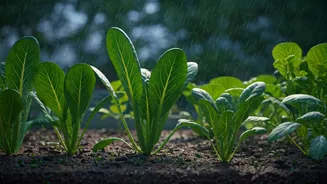
The good news is that many greens absolutely love the monsoon. This is the perfect time to sow seeds for a lush, edible garden. Leafy greens, in particular, flourish in the moderate temperatures and high moisture. Spinach (Palak), Amaranth (Chaulai/Lal Saag), and Fenugreek (Methi) are excellent choices that can be harvested multiple times. They grow quickly and can be cultivated in wide, shallow trays or grow bags. Coriander (Dhania) is another fast-growing herb that thrives in the rainy season. Other great options for your monsoon garden include mint, which loves the damp conditions, and chillies, which do well in the heat and humidity. Gourds like bottle gourd (lauki) and bitter gourd (karela) also grow vigorously during this time if you have space for their vines to climb.