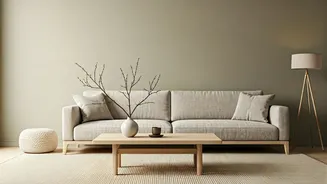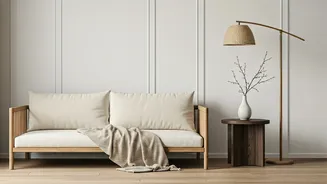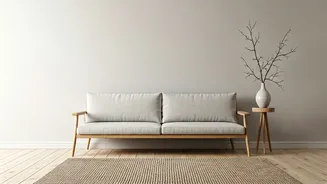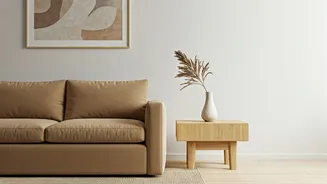




Start with the Philosophy
Before you start shopping, understand the soul of Japandi. This design movement is more than just an aesthetic; it’s a philosophy. It marries the Scandinavian concept of ‘hygge’—a feeling of cosy contentment and well-being—with the Japanese principle
of ‘wabi-sabi’, which finds beauty in imperfection and simplicity. The result is a space that is clean and uncluttered yet warm and inviting. Think of it as creating a home that feels both highly functional and deeply calming. Instead of pursuing flawless perfection, Japandi encourages you to embrace natural materials, handcrafted items, and a sense of mindful living.
Embrace an Earthy, Neutral Palette
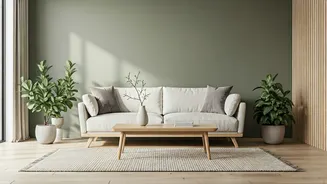
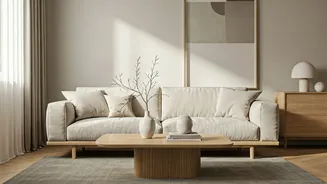
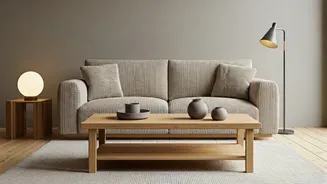
The foundation of any Japandi interior is its calming colour scheme. Move away from stark whites and embrace a warmer, more nuanced palette. Think of colours found in nature: soft greys, muted beiges, creamy off-whites, and earthy tones like terracotta, stone, and sand. To add depth without overwhelming the space, introduce subtle accent colours like sage green, dusty blue, or a deep charcoal. These colours serve as a serene backdrop for your furniture and decor, creating a cohesive look that feels restful to the eye. Using different shades of the same neutral colour can add texture and dimension without creating visual noise.
Focus on Natural, Textured Materials
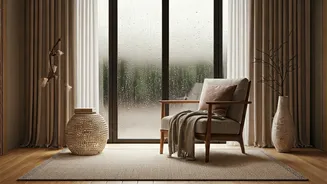
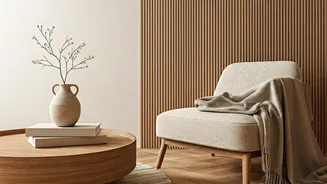
Texture is key to preventing a minimalist space from feeling cold or sterile. Japandi style is rich in natural materials that engage the senses. For furniture and flooring, lean towards light-toned woods like oak, birch, or maple, often seen in Scandinavian design, and contrast them with darker woods like walnut or the sleek lines of bamboo, a nod to Japanese aesthetics. For textiles, choose organic fabrics such as linen, cotton, wool, and jute. A nubby woollen throw, rattan chairs, handmade ceramic vases, and sheer linen curtains all contribute to a layered, tactile environment that feels both sophisticated and grounded.
Choose Low-Profile, Functional Furniture
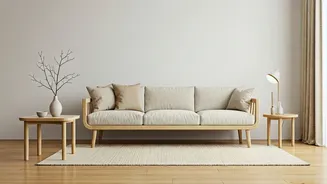
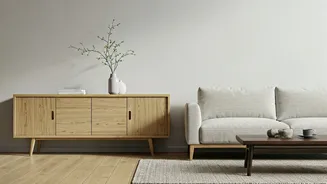
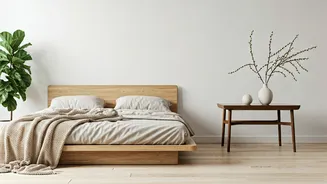
Japandi furniture is all about clean lines, high-quality craftsmanship, and purpose. The mantra here is ‘quality over quantity’. Instead of filling your apartment with numerous small items, invest in a few well-made statement pieces. Look for furniture with low profiles—low-slung sofas, coffee tables, and bed frames—which is a hallmark of Japanese design. This not only creates a sense of openness and makes ceilings feel higher (a great trick for apartments) but also fosters a feeling of being connected to the earth. Ensure every piece is not just beautiful but also highly functional, offering storage or serving a clear purpose in your daily life.
Declutter Mindfully
Both Japanese and Scandinavian design traditions celebrate minimalism, but it’s a warm, intentional minimalism, not a cold, empty one. Decluttering is the first practical step. The goal isn’t to get rid of everything, but to curate your possessions, keeping only those that are either essential, useful, or bring you genuine joy. Use smart storage solutions like woven baskets, wooden crates, and built-in cabinetry to keep everyday necessities out of sight. A clean, organised space reduces mental clutter and allows the beauty of your chosen furniture and decor to truly shine.
Accessorise with Imperfect, Natural Elements
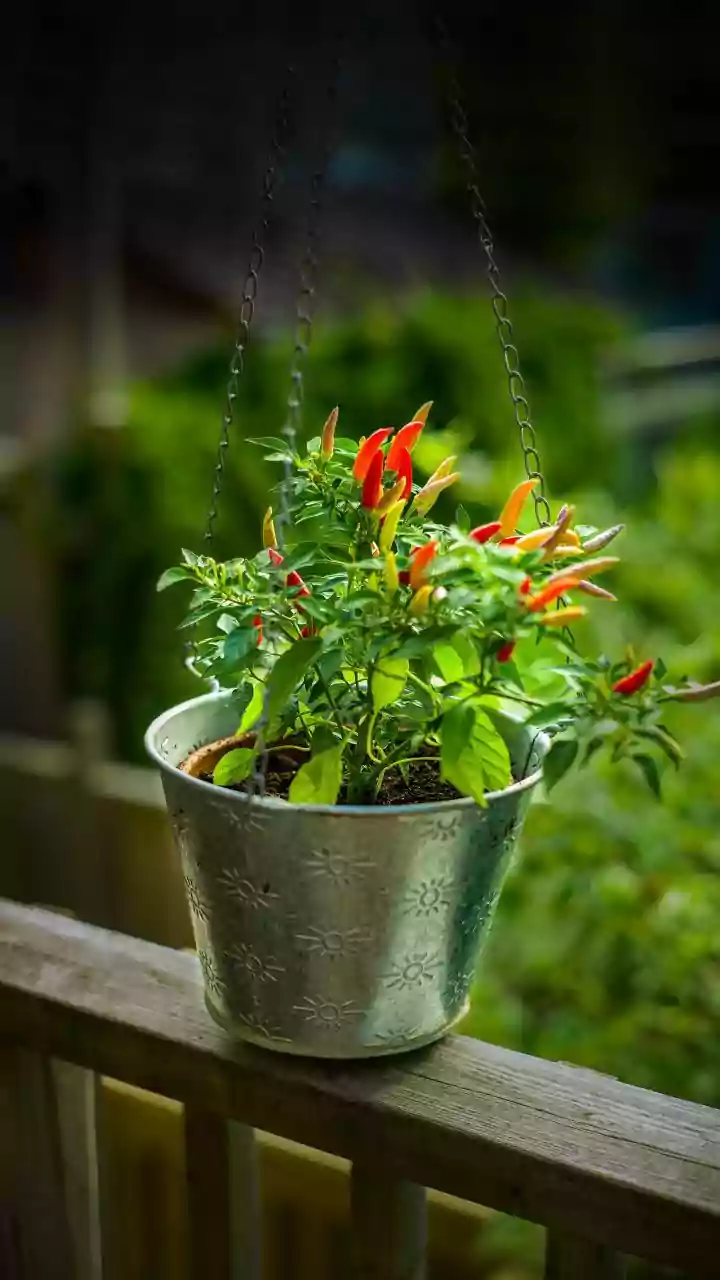
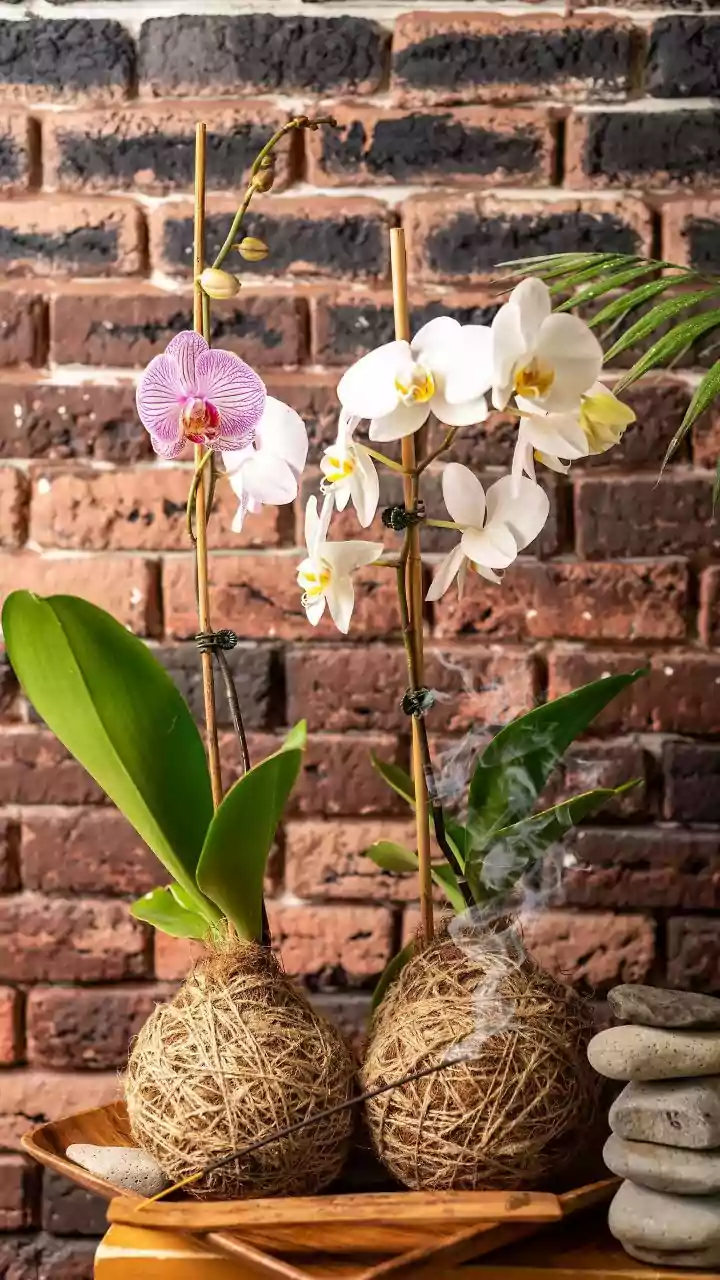
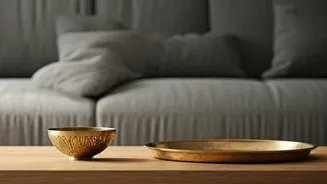
This is where the ‘wabi-sabi’ principle comes to life. Decor in a Japandi home should feel personal and imperfect. Look for accessories that tell a story: a slightly irregular handmade ceramic vase, a piece of art with a simple, abstract form, or a wrinkled linen cushion. Plants are also essential for bringing life and a touch of nature indoors. Choose plants with interesting shapes and foliage, like a bonsai, a bamboo plant, or a fiddle-leaf fig, and place them in simple, earthy pots. These elements prevent the space from feeling too clinical and add a layer of personality and warmth.