





Your Personal AI Beauty Consultant
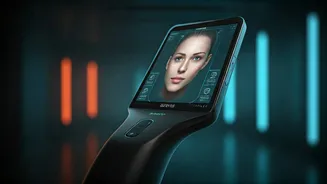
The most visible way AI is making beauty less generic is by acting as a personal consultant right on your phone or computer. [22] Brands are moving beyond simple online quizzes to more sophisticated, data-driven tools. [12] For example, Olay's Skin Advisor
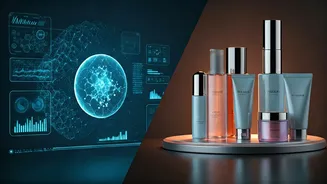
uses a selfie to analyze your skin for various concerns and determine its 'skin age', then recommends products accordingly. The tool has reportedly achieved 90% accuracy in skin age prediction and doubled conversion rates for the brand. [1, 5] Similarly, L'Oréal acquired the company Modiface to power its own AI diagnostics. [12] These tools use deep learning algorithms, trained on millions of images, to evaluate everything from wrinkles to pigmentation, offering tailored advice that was once only available through in-person consultations. [12, 5]
Try Before You Buy, Virtually
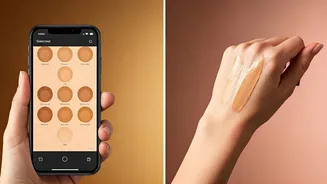
One of the biggest hurdles in online beauty shopping is the inability to try products. AI and augmented reality (AR) are solving this problem with virtual try-on features. [2, 7] Sephora's Virtual Artist and L'Oréal's partnership with ModiFace allow customers to see how different shades of lipstick or eyeshadow will look on them in real-time through their device's camera. [1, 6, 23] According to a 2024 survey, 67% of global consumers now prefer using virtual try-on experiences before buying cosmetics. [5] This technology not only makes shopping more engaging but also reduces the chances of purchasing the wrong shade, which in turn lowers costly product returns for companies. [8]
Custom Formulations on Demand
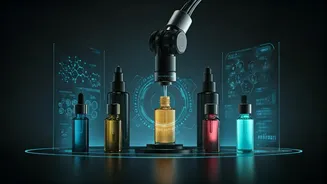
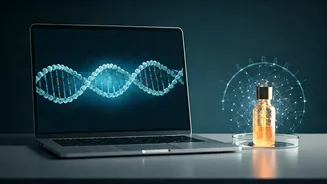
AI's promise of personalization goes even deeper than just recommendations—it's entering the lab. Some companies are using AI to create bespoke product formulations for individual consumers. [7] Brands like Proven use AI to process millions of data points from reviews and scientific papers to create custom skincare regimens. [13] L'Oréal's Perso is a device that can mix personalized daily doses of skincare at home, adjusting the formula based on real-time data like local pollution and humidity levels. [20] Korean beauty giant Amorepacific has used AI to identify new, highly effective ingredients for hair care, accelerating a research process that would have taken much longer for humans alone. [11] This signals a move toward a future where products are not just picked for you, but made for you.
Smarter Marketing and Trend Forecasting
Beyond customer-facing tools, AI is also working behind the scenes. Brands are using AI to analyze social media conversations and market data to identify emerging trends and popular ingredients, allowing them to be more responsive to consumer desires. [1, 2] This data-driven approach helps companies create more relevant marketing campaigns that speak directly to specific micro-segments rather than broad, generic audiences. [8] McKinsey estimates that generative AI could improve marketing conversion rates by up to 40% by enabling this kind of hyper-personalized messaging. [8] This allows brands to be more efficient, reducing waste and ensuring their product development aligns with what customers actually want. [9]
The Future: A Double-Edged Sword?
The market for AI in the beauty sector was valued at nearly $3.3 billion in 2023 and is projected to grow significantly, potentially reaching over $16 billion by 2033. [1] However, this rapid adoption comes with potential downsides. Some experts caution that if all brands use the same AI tools trained on the same data, it could lead to a new kind of sameness—a 'copy-paste culture' where creativity is stifled. [17] The key will be for brands to use AI as a tool to augment human expertise, not replace it entirely. The 'human-made' element is emerging as a premium signal, suggesting that the most successful brands will be those that blend AI's efficiency with genuine, emotional storytelling and a unique point of view. [17, 21]