





The Landmark Supreme Court Directive
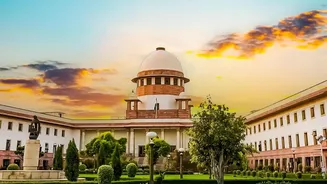
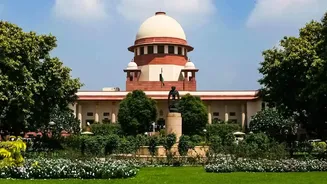
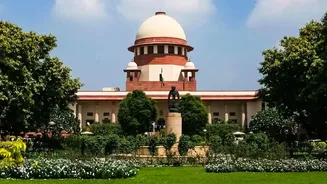
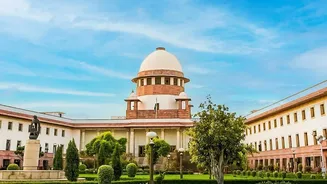
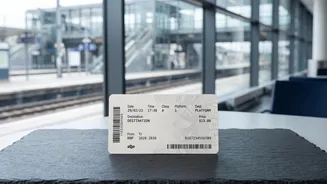
In a significant order, the Supreme Court of India has directed Indian Railways to provide mandatory travel insurance for all tickets sold at station counters, starting from October 27, 2026. A bench of Justices Ahsanuddin Amanullah and R. Mahadevan issued
the directive on October 6, 2026, making it clear that this was a mandatory order, not an optional facility. The court expressed its 'utter disappointment' at the delay in extending this benefit, placing direct responsibility on the Railway Board to ensure implementation. This decision came during the hearing of a petition filed following the tragic Odisha train accident in June 2023, which brought passenger safety and insurance gaps into sharp focus.
The Digital Divide in Passenger Safety
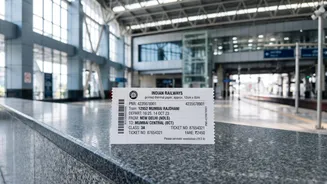
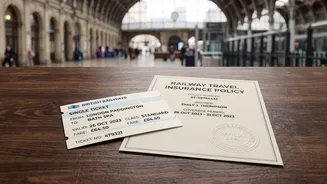
For years, a stark difference existed in how passengers were insured. Those booking tickets online via the IRCTC portal or app could opt for travel insurance for a nominal fee—currently around 45 paise per passenger. However, this facility was completely unavailable to the millions of people who purchase their tickets at physical railway counters. The court noted that this system often excluded passengers from lower economic strata who are more likely to rely on offline bookings. The ruling aims to eliminate this 'digital divide', ensuring that the method of purchasing a ticket does not determine a passenger's access to financial protection.
Why Parity Matters for Passengers
The push for parity is rooted in the principle of equal rights and safety for every passenger. The court argued that it is unjustifiable to treat passengers differently based on their access to technology. For the millions who travel by train, an affordable insurance plan provides a crucial financial safety net for them and their families in case of unforeseen accidents or other untoward incidents. Consumer rights advocates and industry experts have hailed the decision as a vital step towards recognizing travel insurance as an essential safeguard rather than a digital add-on. It reinforces the idea that safety and financial protection should be a universal right for all travellers on the national network.
What the Insurance Typically Covers
While the exact terms for counter tickets are yet to be finalised by the Railways, the existing optional scheme for online tickets provides a good indication of the potential benefits. The current policy offers coverage up to ₹10 lakh for death or permanent total disability resulting from a train accident or other specified untoward incidents. It also includes provisions for permanent partial disability (up to ₹7.5 lakh), hospitalisation expenses for injuries (up to ₹2 lakh), and transportation of mortal remains (₹10,000). It is important to note that this insurance is over and above any compensation provided by the Railways itself under the Railways Act.
Challenges and What to Expect Next
Implementing this order presents logistical challenges for Indian Railways. A mechanism will need to be established for issuing policies, collecting premiums (if any), and handling claims for millions of tickets sold at crowded counters daily. The final premium for counter-booked tickets is yet to be confirmed and may differ from the online rate. Passengers should watch for official announcements from the Ministry of Railways, which has been tasked with rolling out the administrative infrastructure to support this change. The Supreme Court has scheduled the next hearing for November 16, 2026, to review the progress, keeping the pressure on for timely compliance.