

The Enduring Charm of Terracotta
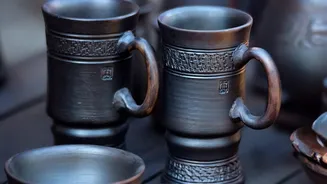
Terracotta, which literally means "baked earth," has been a part of human history for millennia. From ancient pottery to traditional architecture, this humble clay material has an unbroken legacy in India. Its appeal lies in its raw, natural texture and
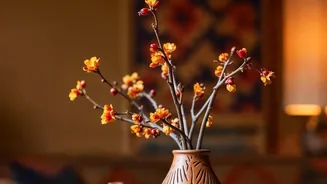
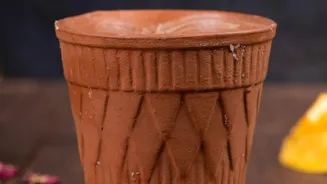
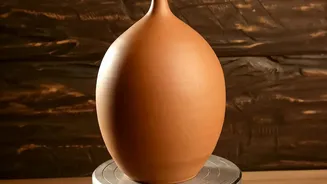
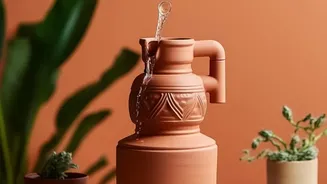
its warm, reddish-brown hue that can range from a soft peach to a deep rust. This inherent warmth is a welcome antidote to the often-impersonal feel of modern minimalist interiors, making a room feel more grounded and inviting. Beyond its aesthetic, terracotta is durable and porous, which makes it an excellent material for planters as it allows plant roots to breathe. Its timeless quality ensures it never truly goes out of style, sitting comfortably across different tastes, ages, and budgets.
Giving 'Waste' a Second Life
The term 'upcycling' is about creative reuse — transforming by-products, waste materials, or unwanted products into new materials or products of better quality or for better environmental value. When it comes to terracotta, this means looking at broken pots, old 'diyas', discarded tiles, and other clay fragments not as rubbish, but as raw material. Unlike recycling, which breaks down materials to create something new, upcycling reimagines the object in its current state. A chipped pot isn't melted down; it’s given a new purpose. This approach significantly reduces waste and curbs the need for new materials, making it a deeply sustainable practice. It’s a creative challenge that asks us to see the potential for beauty in imperfection.
Perfect for the Urban Dwelling
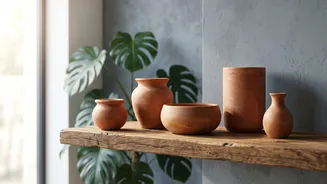
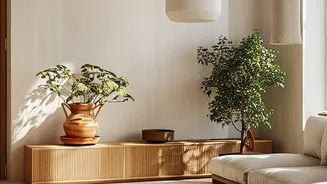
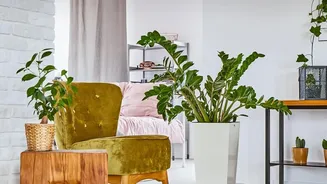
City homes, often constrained by space, benefit immensely from decor that is both beautiful and functional. Upcycled terracotta fits this brief perfectly. The material’s earthy tones provide a much-needed connection to nature, which is a core principle of biophilic design—a trend increasingly popular in urban homes. Incorporating natural elements like terracotta and indoor plants can soften the hard surfaces common in city apartments and even help improve indoor air quality. A common mistake with terracotta is using too much of it, which can make a space feel cluttered. However, by using it selectively, such as grouping a few distinct pieces, it can create a powerful focal point without overwhelming a room.
Stylish Ways to Upcycle Terracotta
The beauty of upcycling lies in its boundless creativity. Broken terracotta pieces can be transformed in numerous ways to add character to your living room. Consider creating a mosaic top for a small side table or a serving tray using fragments of different shades. Large, curved pieces from a broken pot can be painted and mounted on a wall as unique, abstract art. You can also embrace the Japanese art of Kintsugi—repairing broken pottery with gold-dusted lacquer—to turn a fractured pot into a stunning statement piece. Smaller fragments can be used at the bottom of intact planters to aid drainage, a practical and hidden use. Even old terracotta 'diyas' or plates can be hand-painted with vibrant designs like Madhubani art to create beautiful wall hangings.
A Touch of DIY Magic
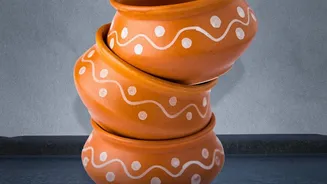
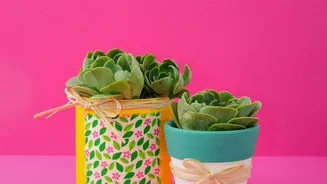
One of the most accessible ways to start is by creating a miniature herb garden in a collection of mismatched, chipped, or partially broken terracotta pots. Grouping three or more pots of varying sizes on a windowsill or a small shelf creates a rustic and lively green corner. You can paint the pots with low-VOC (Volatile Organic Compounds) paints to add a pop of colour or leave them in their natural state for a more organic look. Another simple idea is to use a large, broken pot on its side in a bigger planter or a balcony garden, creating a whimsical 'spilled' effect with flowers or succulents appearing to flow out of it. These small projects require minimal skill but deliver maximum impact, making your space feel personal and thoughtfully curated.