





Plan Your Menu, Not Just a List
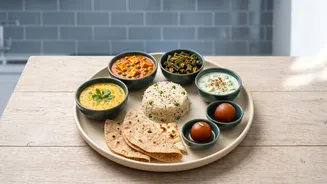
A successful festive shop begins long before you enter a store. Instead of a vague list, plan your entire menu from snacks to dessert. Consider dishes that use overlapping ingredients to minimise waste. For example, vegetables from a roast can become
a soup the next day. Knowing exactly who is coming and their dietary needs helps you calculate portion sizes accurately, preventing you from overbuying. Once your menu is set, check your own pantry and freezer first. You might already have staples like spices, flour, or ghee, saving you from buying duplicates.
Embrace the Two-Week Shopping Window
Avoid the last-minute rush when prices for festive items often increase. Split your shopping into phases. Two weeks before the festival, buy all your non-perishable items. This includes staples like rice, atta, lentils, sugar, cooking oils, and dry fruits. These items have a long shelf life and purchasing them early means you avoid crowded stores and inflated prices. This is also the perfect time to stock up on packaged snacks, drinks, and essential spices like turmeric, cumin, and garam masala that form the base of most festive dishes.
Master Your Local Mandi
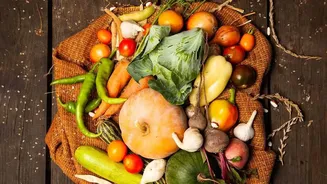
While supermarkets offer convenience, your local vegetable market or mandi is often the best place for fresh produce at a lower cost. Seasonal vegetables are not only cheaper but also at their peak flavour. For perishables like vegetables, paneer, milk, and flowers, plan your shopping trip for no more than three days before the main event to ensure maximum freshness. Root vegetables like potatoes, carrots, and onions are affordable, versatile, and form the foundation of many festive side dishes.
The Smart Way to Buy in Bulk
Buying in bulk can lead to significant savings, but only for items you use regularly. Staples such as rice, flour, and lentils are excellent candidates for bulk purchasing. However, be cautious with items that have a shorter shelf life or that you use infrequently. It’s better to buy a smaller, high-quality pack of special biscuits or a specific cheese than a giant tub that goes to waste. The goal is to buy better, not just more. This approach reduces both spending and food waste.
Use Technology to Your Advantage
In today's digital age, online grocery platforms can be a powerful tool for festive shopping. They allow you to easily compare prices, find discounts, and access a wider variety of products than your local store might offer. Many apps offer special deals and cashback during the festive season. Using these platforms to order your staple items in advance can save you time and the stress of navigating crowded markets, allowing you to focus on other preparations.
Plan for Leftovers to Reduce Waste
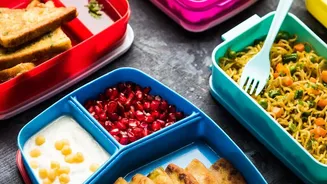
Food waste is a significant concern during festivals. Smart planning can help minimise it. When creating your menu, think about how leftovers can be repurposed into new meals. For instance, leftover roast chicken or vegetables can be used in sandwiches, curries, or frittatas. Serve food buffet-style so guests can take as much as they need, which often reduces plate waste. You can also have reusable containers ready to send leftovers home with your guests—a generous gesture that ensures nothing goes to waste.