



Know Before You Go: Essential Monsoon Safety
Before you pack your bags for any hill station, a safety check is non-negotiable. The most critical step is to check the latest weather updates from the India Meteorological Department (IMD), focusing on district-specific warnings, not just state-level
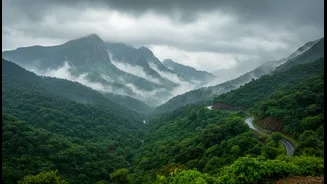
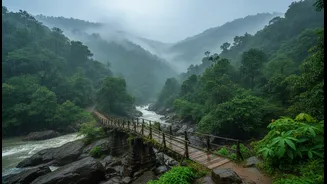
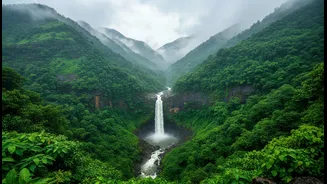
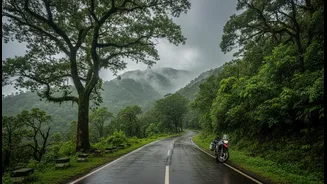
forecasts. As of early July 2026, several regions have active alerts, leading to the closure of popular spots like Tamhini Ghat. Always have a flexible itinerary. Heavy rains can cause sudden road closures or delays. Avoid driving in the hills after dark; rain and fog can drastically reduce visibility, making winding roads treacherous. Pack smart: waterproof jackets, quick-drying clothes, and sturdy footwear with good grip are essential. Also carry a basic first-aid kit, insect repellent, and a power bank. Never underestimate the power of water. Stay away from overflowing rivers and avoid crossing swollen streams or getting too close to waterfalls for pictures, as water levels can rise unexpectedly.
Kodaikanal, Tamil Nadu: The Princess in the Mist
Often called the 'Princess of Hill Stations', Kodaikanal in Tamil Nadu is one of the more reliable monsoon destinations. While it receives plenty of rain, its primary ghat road infrastructure tends to hold up well, ensuring access isn't usually a major issue. The monsoon cloaks the town in a thick, romantic mist, amplifying the beauty of Kodaikanal Lake, Coaker's Walk, and the overflowing Bear Shola Falls. However, safety is still paramount. While the town is generally safe, smaller trails can become slippery, and some may be closed on days with heavy rainfall alerts. Also, be mindful of local wildlife. Indian gaur (bison) are often seen roaming, and it is crucial to maintain a safe distance and never approach them for photos.
Wayanad, Kerala: The Enchanting, Cautious Choice
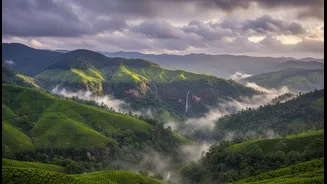
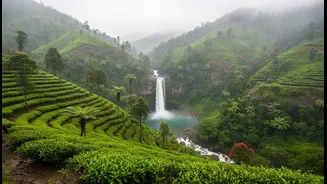
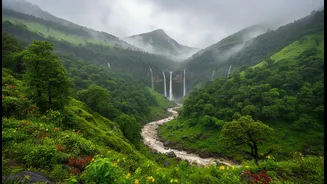
Wayanad is the epitome of monsoon magic, with its emerald paddy fields, misty tea estates, and thunderous waterfalls like Soochipara. However, its beauty demands respect and caution. Parts of the district are prone to landslides, a fact underscored by recent events in the region. This doesn't mean you should write it off, but it does mean you must plan carefully. Stick to the main towns like Kalpetta, Sulthan Bathery, and Vythiri, which are generally safer and remain accessible. Avoid venturing into known vulnerable areas, especially during intense rainfall. Wayanad in the monsoon is for the prepared traveller—one who checks local advisories daily, respects all warnings, and chooses accommodations that are not in isolated, high-risk locations.
Mahabaleshwar, Maharashtra: The Well-Managed Plateau
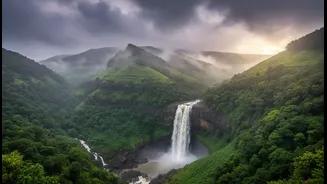
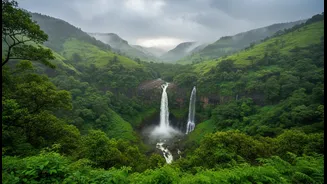
For those near Mumbai and Pune, Mahabaleshwar is a go-to monsoon favourite, and for good reason. Despite receiving some of the heaviest rainfall in the state, its core tourist infrastructure is well-maintained, making it a relatively safe and accessible option. The plateau comes alive with countless waterfalls, and its famous viewpoints like Elephant's Head Point offer dramatic, cloud-filled vistas. The drive itself is scenic, though caution is always advised on ghat roads. While Mahabaleshwar is generally considered a safer bet, it's not entirely immune to monsoon hazards like landslides, which have occurred in the past. Therefore, the golden rule still applies: check for any active alerts from local authorities before and during your trip.
Coorg, Karnataka: The Misty Coffee Kingdom
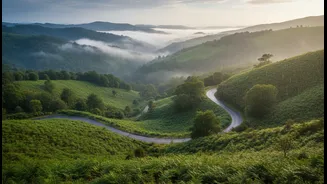
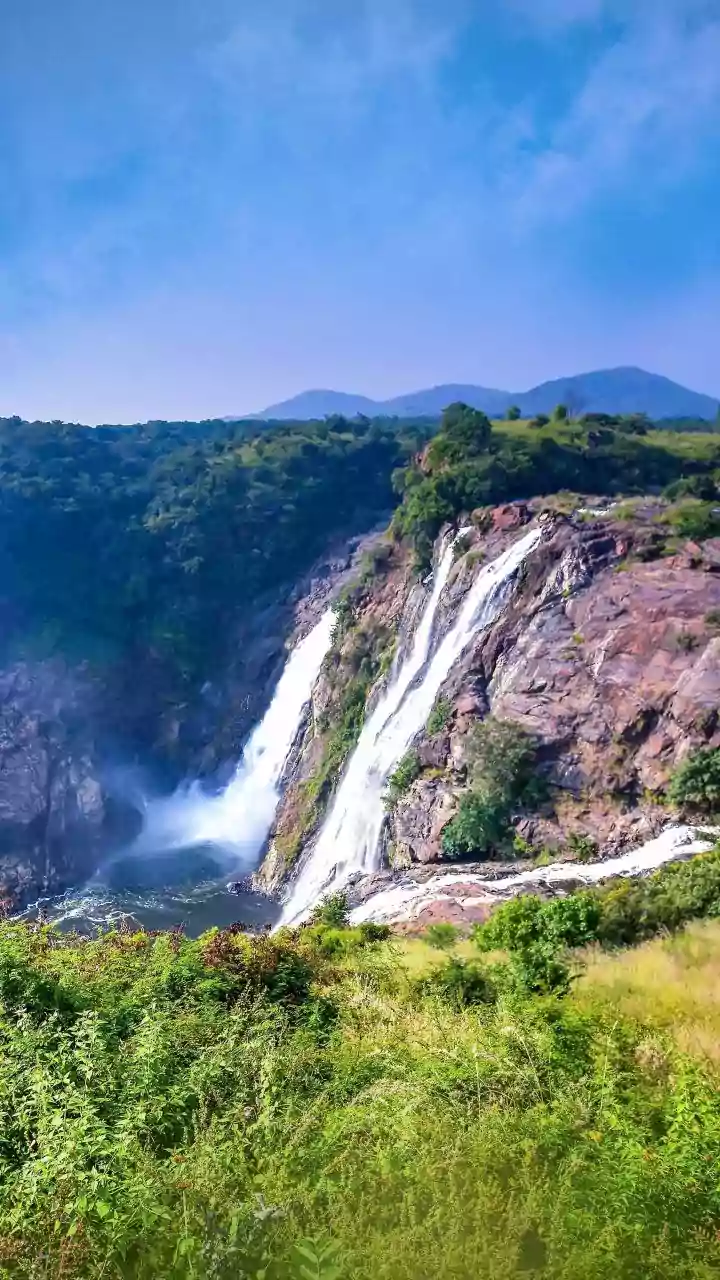
Coorg, or Kodagu, offers a quintessential Western Ghats monsoon experience with its rolling hills draped in mist and the fragrance of wet coffee plantations. It's a reliable weekend getaway, especially from Bengaluru, known for its serene homestays and the magnificent Abbey Falls in full flow. The experience of walking through a rain-drenched coffee estate is truly special. However, it's important to remember that the Malnad region, including Coorg, is ecologically sensitive and has faced severe landslides and flooding in previous years. Responsible tourism is key here. Enjoy the beauty from safe, established viewpoints, stick to well-paved roads, and avoid trekking on unmarked trails during heavy downpours. Always verify that the area you plan to visit has not been flagged in any local travel advisories.