







The Rise of the Working Vacation
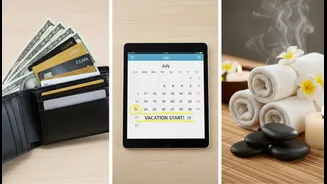
First, let's define our terms. "Bleisure" is simply the practice of adding personal leisure days to a business trip. It’s a trend that has exploded in popularity, fueled by flexible work policies and a collective desire to make the most of travel. Companies
are increasingly supportive, seeing it as a perk that improves work-life balance and boosts employee morale. For the employee, it’s a cost-effective way to explore a new city, as the company often covers the primary travel costs. Recent data shows a significant majority of business travelers plan to add personal time to their trips, transforming what was once a niche concept into a mainstream travel strategy.
The Burnout Trap of Being ‘Always On’
The promise of bleisure is a perfect blend of productivity and relaxation. The reality, however, can be far different. Without clear boundaries, the “business” side can easily bleed into the “leisure” side. Answering emails by the pool, taking one last call before dinner, or spending your first “vacation” day catching up on work are common pitfalls. This pressure to be constantly available can lead to exhaustion, defeating the entire purpose of the trip. Instead of returning refreshed, you come back feeling like you need a vacation from your vacation, a clear sign that the balance was off.
Why the Buffer Is Your Best Friend
This is where the wisdom of the headline comes in. Creating a deliberate gap—a buffer—between your last work commitment and your first leisure activity is non-negotiable for a successful trip. This pause allows for a mental reset. It’s the time you need to officially “clock out” from your professional obligations and transition into a vacation mindset. This buffer period helps you decompress, manage any lingering work stress, and fully disconnect. Scheduling some downtime, even just for half a day after your work is done, gives you time to recover before you even think about sightseeing. Think of it as a mental palate cleanser, ensuring the experiences that follow are truly enjoyed, not just squeezed in between work tasks.
How to Build Your Decompression Zone
Creating this buffer is a matter of intentional planning. First, when booking, consider adding an extra night's stay after your business concludes. This time is for you, not for sightseeing. Use it to sleep in, order room service, or simply relax without an agenda. Second, set firm boundaries. Before you leave, communicate clearly with your colleagues about when your personal time begins. Set your out-of-office reply and, most importantly, stick to it. Turn off work notifications on your phone. Resisting the urge to check in is crucial for your brain to switch gears. This isn't about being lazy; it's about actively managing your energy to prevent fatigue.
Making the ‘Leisure’ Truly Leisurely
Once you've had time to decompress, you can dive into the fun part of your trip. With a clear head, you're better equipped to enjoy the local culture. Instead of rushing from a meeting to a museum, you can explore at a relaxed pace. This might mean joining a food tour, wandering through a local market, or simply enjoying a coffee at a street-side cafe. Because you’ve given yourself a proper break, these activities feel more restorative and less like items on a checklist. You can fully immerse yourself in the destination, creating memories that are distinct from the work that brought you there in the first place.