



An Escape from Urban Burnout
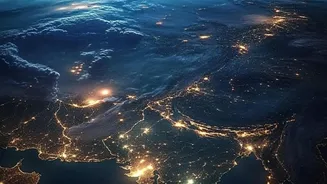
For many young Indians, life in the city is a constant barrage of light and sound. The glow of screens, the glare of streetlights, and the pressure of a 24/7 work culture are leading to significant burnout. This relentless exposure to artificial light disrupts
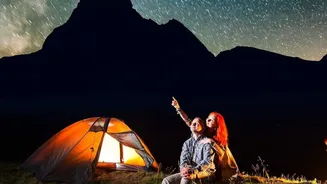
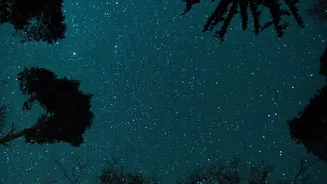
natural sleep cycles and increases stress, pushing a generation to seek genuine peace and quiet. Astro-tourism, or dark-sky tourism, offers a powerful antidote. It’s a move away from performative, checklist-driven holidays towards experiences of emotional restoration. The appeal lies in its simplicity: remote landscapes, a lack of connectivity, and the profound silence that comes with being under a blanket of stars.
The Rise of 'Noctourism'
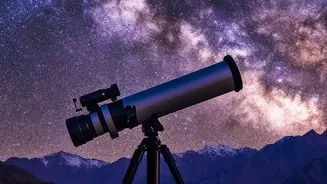
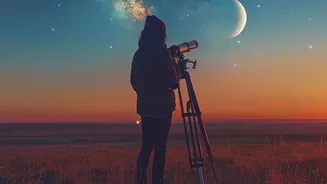
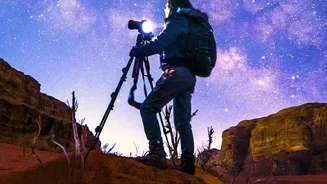
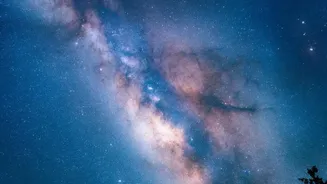
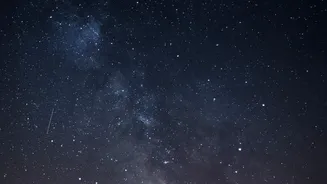
What was once a niche hobby for astronomers has become one of India's fastest-growing travel segments. Termed 'noctourism' (night tourism), this trend sees people planning entire vacations around celestial events like meteor showers or simply the chance to see the Milky Way. The pandemic accelerated this shift, creating a demand for outdoor, nature-focused experiences away from crowds. Companies specializing in astro-tourism now offer curated experiences, from 'star parties' and astrophotography workshops to guided telescope sessions, transforming a simple glance at the sky into an immersive event. This isn't just about adding an activity; for many, the starry sky is the main destination.
India's Dark-Sky Sanctuaries
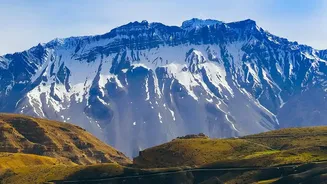
India’s diverse geography is a major advantage, offering a variety of ideal stargazing locations. The undisputed crown jewel is Hanle in Ladakh, designated as India's first official Dark Sky Reserve. Its high altitude, dry climate, and near-zero light pollution provide some of the clearest skies in the world. Other Himalayan hotspots include Spiti Valley and villages like Kaza and Langza, which are favourites among astrophotographers. But the options extend beyond the mountains. The vast salt flats of the Rann of Kutch in Gujarat, the deserts around Jaisalmer in Rajasthan, and even quieter spots in Coorg and the Andaman Islands offer spectacular, unpolluted views of the cosmos.
More Than Just a Pretty Picture
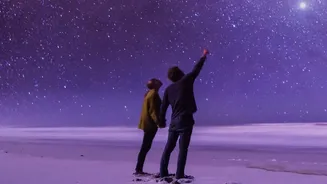
While the visual spectacle is a huge draw, the motivation for many young travellers runs deeper. Stargazing is an inherently slow and mindful activity. It encourages patience and attentiveness, invoking a sense of awe that stands in stark contrast to the fast-paced, productivity-obsessed nature of modern life. This search for a deeper connection is also fuelled by a renewed public interest in space, sparked by India's own successful missions like Chandrayaan and a boom in science fiction. In a world of constant digital noise, looking up at the vastness of the universe provides a rare moment of perspective and introspection.
A Sustainable and Shareable Experience
In an interesting paradox, social media has played a key role in popularising these off-grid experiences. Stunning images of the Milky Way and time-lapses of meteor showers have created a powerful 'travel aesthetic' online, inspiring many to seek out these dark skies for themselves. Furthermore, astro-tourism is proving to be a sustainable model for local economies. In places like Hanle, local villagers are being trained as 'Astronomy Ambassadors' and provided with telescopes to guide tourists. This empowers communities, offering economic opportunities that also help preserve the very darkness that makes their home so unique. It’s a form of tourism where the main attraction is protected, not consumed.