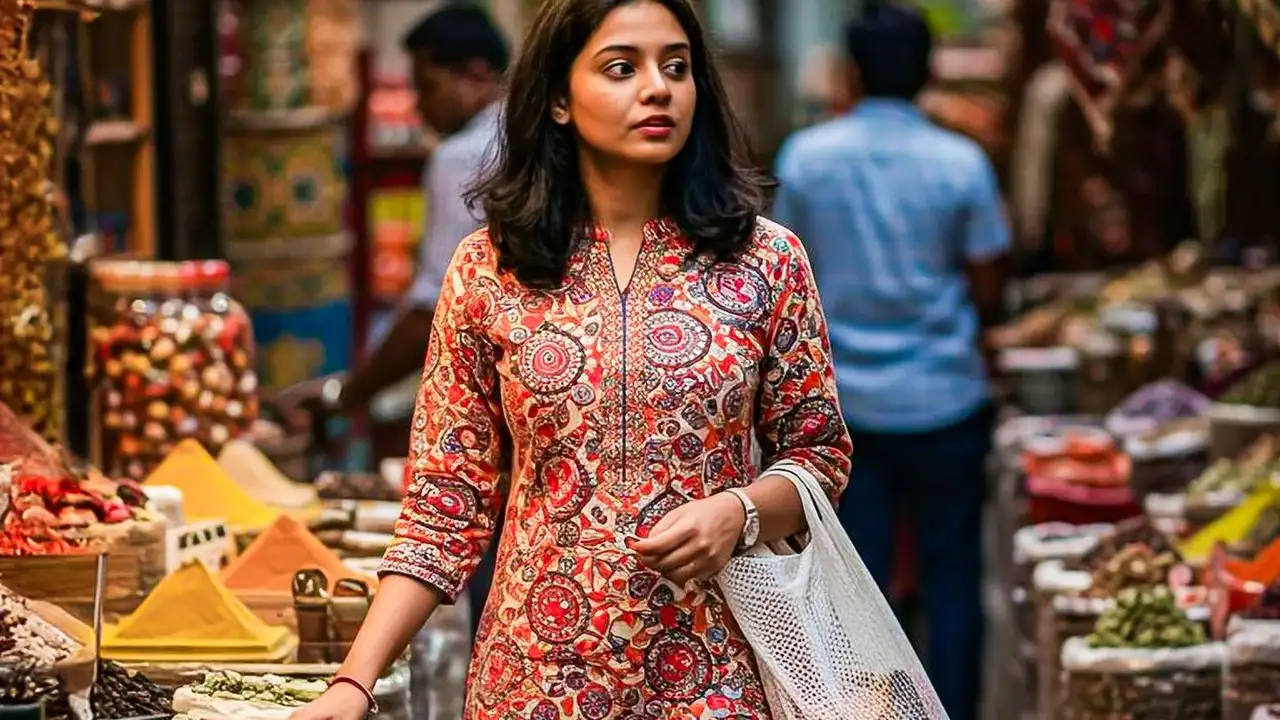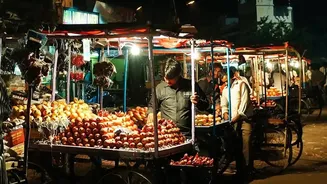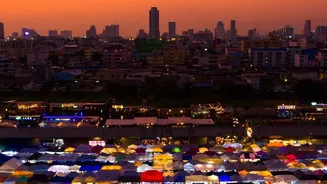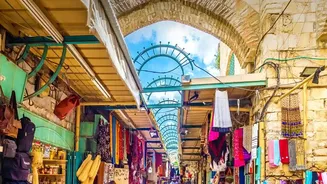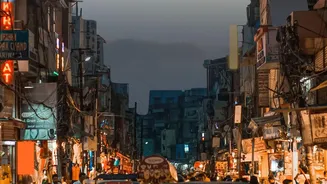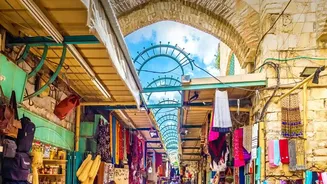




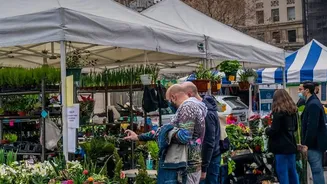


In an age of air-conditioned malls and one-click online shopping, a different kind of retail experience is calling. City shoppers are rediscovering the charm of local bazaars, drawn not just by good deals, but by a desire for authenticity.
Beyond the Shopping Cart
There’s a subtle
shift happening in the urban spending landscape. While malls continue to be popular destinations, especially for branded goods and entertainment, a growing number of consumers are seeking something more. They're looking for an experience that goes beyond the transactional, a place where shopping feels less like a chore and more like a discovery. This quest is leading them back to the bustling, open-air high streets and vibrant local bazaars that have long been the heart of Indian commerce. It's a trend driven by a desire for unique products, better value, and a genuine human connection that sanitised retail environments often lack.
The Thrill of the Bargain
One of the most powerful draws of a local bazaar is, of course, the price. For budget-conscious shoppers, local markets offer the chance to find everything from daily necessities to unique apparel at lower prices than their mall counterparts. But the appeal of the 'bargain' here is more complex than just a number on a tag. It’s about the interactive and engaging culture of negotiation, a tradition that turns a simple purchase into a memorable interaction. Shoppers often find that local markets provide better overall value, offering one-of-a-kind, handcrafted items that stand out from mass-produced goods. This focus on unique finds means your money often buys a story, not just a product.
Commerce with a Conscience
The turn towards local bazaars is also a turn towards conscious consumerism. When you buy from a vendor at a flea market or a craft fair, you are often supporting a small business, a local artisan, or a family-run enterprise. This direct support for the local economy fosters a sense of community and keeps money circulating where it matters most. Many of these markets are havens for handmade and sustainable goods, promoting eco-friendly practices by giving a platform to upcycled products and extending the life of pre-loved items. In a world increasingly aware of its environmental footprint, choosing to shop at a local bazaar can be a small but meaningful way to contribute to a more sustainable future.
Finding Connection Among the Stalls
Perhaps the most significant, yet least tangible, benefit is the sense of community. Unlike the anonymous experience of a large retail chain, local markets are social hubs. They are places where you can talk to the person who made your jewellery, learn the story behind a handpainted textile, and build relationships with vendors. These interactions transform shopping from a solitary act into a shared social experience. Bazaars and craft fairs often become community gathering places, hosting live music, food vendors, and cultural events that add to the lively atmosphere. They are not just places to buy things, but places to belong, connect, and spend a day enjoying the energy of the city.
A Showcase of Authenticity
In India, local markets and craft bazaars serve a vital role in preserving cultural heritage. They are vibrant showcases for artisans from across the country, providing them with direct access to urban consumers. For shoppers, this means access to an incredible diversity of authentic, handcrafted goods—from blockprinted textiles and traditional metalwork to contemporary designs rooted in ageold techniques. Festivals and dedicated artisan markets are becoming crucial platforms, helping revive dying arts and ensuring that these skills are passed down through generations. By choosing to shop here, consumers become active participants in this cultural revival.