



The Living Root Bridges of Meghalaya
Forget what you know about stormy weather. In the northeastern state of Meghalaya, home to Cherrapunji and Mawsynram—two of the wettest places on Earth—rain isn’t a nuisance; it’s the entire point. The constant moisture allows the local Khasi tribes to practice
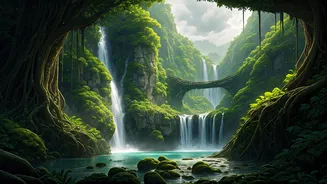
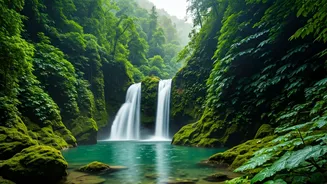
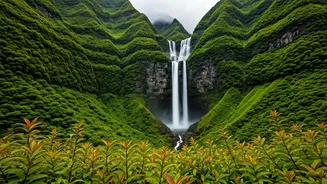
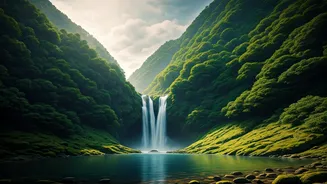
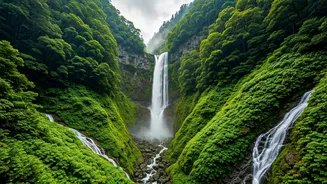
a stunning form of bio-engineering: training the roots of rubber fig trees to grow across rivers and gorges, forming sturdy, living bridges. Walking across one of these ancient, moss-covered structures, with a misty waterfall roaring in the background, feels like stepping into a fantasy novel. The monsoon turns the entire region a shade of electric green, feeding countless waterfalls that cascade down jungle-clad cliffs. It’s an immersive, otherworldly experience that simply doesn't exist in the dry season.
The Blooming Valley of Flowers, Uttarakhand
For most of the year, this high-altitude valley in the Himalayas is covered in snow. But for a brief window during the monsoon (July to September), it explodes into a carpet of over 300 species of alpine flowers. The Valley of Flowers National Park is a UNESCO World Heritage site, and the rain is the key that unlocks its magic. The light drizzles and cool mist create the perfect conditions for flowers like the elusive blue poppy and Brahma Kamal to bloom in breathtaking abundance. The trek to the valley itself is a reward, taking you through misty forests and past gushing streams. It’s the ultimate seasonal destination—a spectacle created by and for the rain, disappearing as soon as the monsoon recedes.
The Misty Tea Gardens of Munnar, Kerala
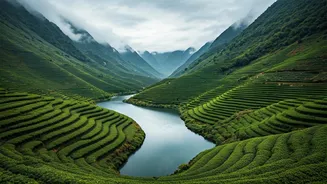
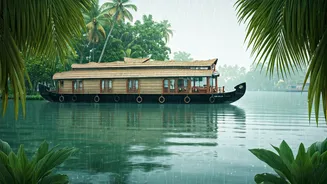
Known as “God’s Own Country,” Kerala’s beauty is legendary, but the hill station of Munnar becomes something truly special during the monsoon. The rain washes the tea leaves, making the endless rolling plantations seem even more intensely green. Low-hanging clouds and fog drift through the valleys, creating a serene, almost mystical atmosphere. While heavy downpours can occur, they’re often followed by periods of clear, crisp air. This is the perfect time to cozy up in a resort overlooking a tea estate, cup of fresh chai in hand, and watch the clouds dance across the hills. The crowds are thinner, the hotel rates are lower, and the waterfalls, like Attukad and Lakkam, are at their thunderous peak.
The Romantic Lakes of Udaipur, Rajasthan
A desert state in the monsoon? It sounds counterintuitive, but that’s precisely its charm. After a long, scorching summer, the first rains are a celebration in Rajasthan. In the city of Udaipur, known for its majestic palaces and lakes, the monsoon refills Lake Pichola and Fateh Sagar Lake, bringing the “Venice of the East” back to life. The landscape turns a surprising shade of green, and the white marble of the palaces looks freshly washed and gleaming. You can enjoy a boat ride on the full lakes, watch storms roll in over the Aravalli Hills from a palace window, and explore the city’s winding alleys without the oppressive heat and peak-season crowds. It's a more romantic, tranquil, and atmospheric version of a city that's already on many bucket lists.
The Waterfalls of Lonavala, Maharashtra
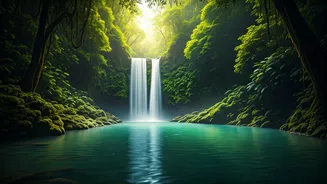
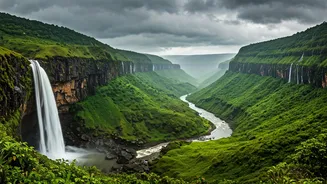
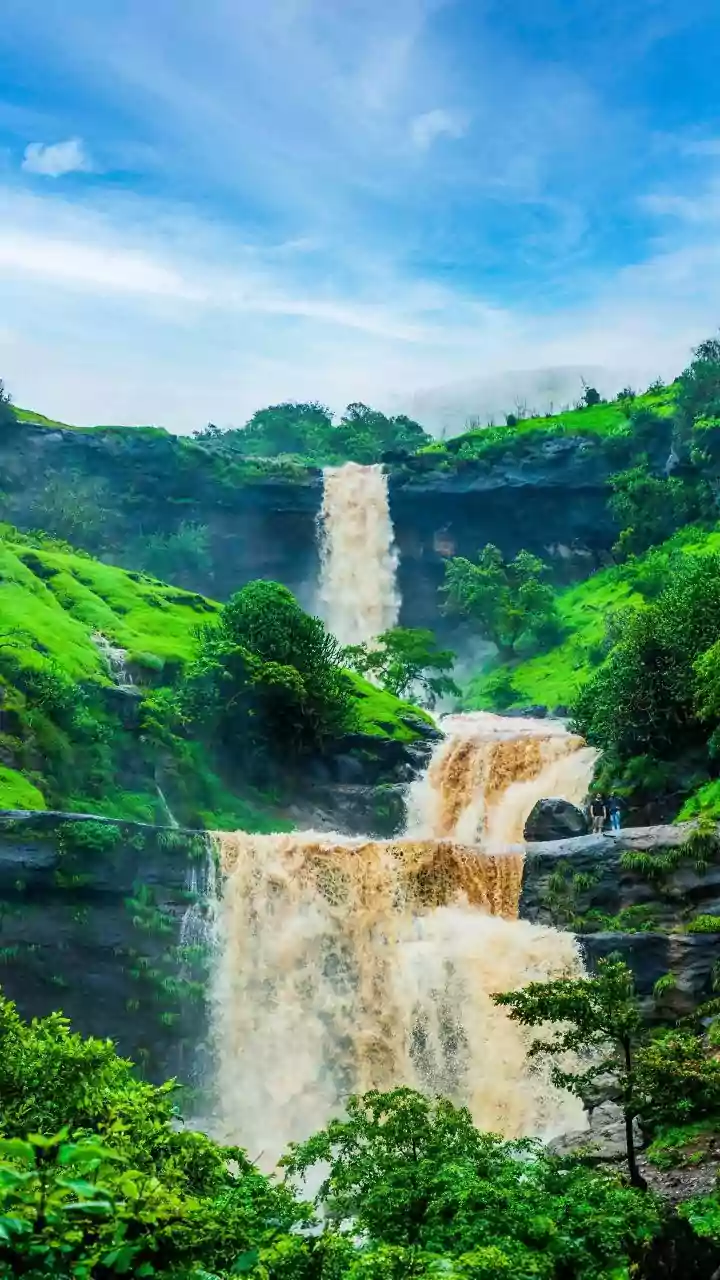
A popular weekend getaway for residents of Mumbai and Pune, the twin hill stations of Lonavala and Khandala are largely overlooked by international travelers. Nestled in the Western Ghats mountain range, this region undergoes a dramatic transformation during the monsoon. Dry, brown hills become draped in green velvet, and temporary waterfalls spring to life on nearly every cliff face. The drive itself is spectacular, with clouds often blanketing the highway. It’s a place for enjoying the simple pleasures of the season: eating roasted corn on the cob from a roadside stall, feeling the spray from a waterfall, and taking in the panoramic views from vantage points like Tiger Point. It offers a raw, powerful, and accessible taste of India’s monsoon magic.