






The Universe Inside Your Gut
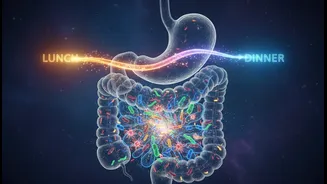
Your gastrointestinal tract is home to trillions of microorganisms, including bacteria, fungi, and viruses, collectively known as the gut microbiome. This bustling internal ecosystem is far from passive; it plays a crucial role in your health by helping
to digest food, produce essential vitamins, regulate your immune system, and even influence your mood. For years, we've known that what we eat has a profound impact on the composition of this microbial community. Diets high in fiber from fruits and vegetables, for example, tend to support a diverse and healthy microbiome, while Western-style diets high in processed foods can do the opposite. This dynamic relationship is central to our overall well-being.
Discovering a Predictable Link
The major challenge in nutrition science has been the high degree of variability in how individuals respond to the same foods. An apple might be perfectly healthy for one person but cause a significant blood sugar spike in another. Recent research is beginning to explain why. Scientists are identifying what they call “persistent food-microbe patterns.” This means that specific foods and nutrients are consistently linked to the presence and activity of particular gut microbes across large groups of people. For example, certain plant-based foods are reliably associated with bacteria that produce anti-inflammatory compounds. These patterns suggest that while our individual microbiomes are unique, the rules of engagement between food and bacteria may be more predictable than previously thought.
A New Blueprint for Nutrition Trials
This discovery has significant implications for how we study nutrition. Historically, clinical trials have often produced muddled results because they treat all participants as a uniform group. The existence of persistent food-microbe patterns could change that. Instead of broad, one-size-fits-all studies, researchers could design more refined trials. For instance, a trial could specifically recruit individuals whose microbiomes are known to respond to a particular food in a certain way. This allows for smaller, more targeted, and ultimately more conclusive studies. By using machine learning and AI, scientists can analyze these complex datasets to predict how an individual is likely to respond to a dietary change, making research more efficient and effective.
The Future on Your Plate
While we are not yet at the stage of receiving a personalized diet plan based on a stool sample at our local clinic, this research paves the way for that future. The long-term vision is to move beyond generic dietary advice. Imagine a future where, instead of being told to simply "eat more fiber," you are advised to eat specific types of fiber-rich foods—like oats or legumes—that are known to best support your unique microbial makeup and health goals. This could lead to highly tailored strategies for managing chronic conditions like diabetes, inflammatory bowel disease, and obesity. By understanding the consistent patterns in how our gut residents interact with our meals, we can start to develop dietary recommendations that are truly personal and more effective. This line of research is a foundational step towards making the promise of personalized nutrition a practical reality for everyone.