




What is a PUC Certificate and Why is it Mandatory?
A Pollution Under Control (PUC) certificate is a mandatory document required for every motor vehicle in India, as stipulated by the Central Motor Vehicles Act, 1988. It serves as official proof that your vehicle's exhaust emissions, such as carbon monoxide
and hydrocarbons, are within the permissible limits set by environmental authorities. Driving without a valid PUC is a punishable offence under Section 190(2) of the Motor Vehicles Act, making it as crucial as your registration certificate (RC) and insurance policy for legal road use. Beyond legal compliance, the test also acts as a health check for your vehicle's engine, indicating how efficiently it is burning fuel.
The Latest PUC Validity Rules for All Vehicles
The government has recently revised the renewal timelines for PUC certificates, creating different schedules based on a vehicle's age and emission standard. For brand new cars and two-wheelers, the first PUC certificate is valid for one year from the date of registration. However, the rules diverge significantly after that. Under the Central Motor Vehicles (Sixteenth Amendment) Rules, 2026, private BS-VI vehicles that are up to six years old now require renewal only once every three years. For older vehicles, the requirements are more frequent: BS-IV vehicles need a renewal every six months, while even older BS-I, BS-II, and BS-III models must be tested every three months.
Validity Periods for Older BS-VI and Commercial Vehicles
The updated rules also specify different timelines for older BS-VI vehicles and those used for transport. Private BS-VI vehicles aged between six and ten years require an annual PUC renewal. Once they cross the ten-year mark, the renewal frequency increases to every six months. For commercial or transport vehicles with BS-VI engines, the validity is two years for vehicles up to six years old, followed by annual renewals for those between six and ten years old. Transport vehicles older than ten years must renew their certificates every six months, similar to their private counterparts.
The High Cost of Non-Compliance: Fines and Penalties
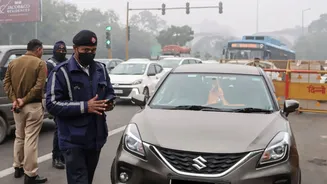
The financial consequences for driving with an expired or non-existent PUC certificate have become severe under the amended Motor Vehicles Act. Being caught without a valid certificate can result in a fine of up to ₹10,000, imprisonment for up to six months, or both. This penalty can be issued for a first offence, with stricter enforcement for repeat violations. Moreover, enforcement is now highly digitised. Traffic authorities and even some fuel stations can verify your PUC status in real-time through the central VAHAN database, making it nearly impossible to evade detection. In some regions like Delhi-NCR, rules like 'No PUC, No Fuel' have been activated, meaning fuel pumps can refuse service to non-compliant vehicles.
How to Check Your Status and Renew Your Certificate
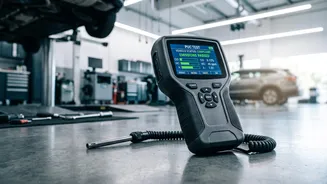
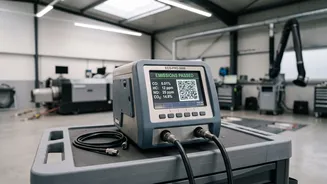
Staying on top of your PUC validity is simple. You can check your certificate's status online through the official Parivahan Sewa portal (puc.parivahan.gov.in). You will need to enter your vehicle's registration number and the last five characters of its chassis number. The website will display your current status, including the expiry date, and allow you to download a digital copy. To renew, you must visit a government-authorised emission testing centre, which can be found at many petrol pumps and workshops. The test itself is quick, usually taking less than ten minutes. If your vehicle passes, the centre will issue a new certificate and the data is updated on the VAHAN portal almost instantly. The cost for the test is nominal, typically ranging from ₹60 to ₹250 depending on the vehicle type and state.