







The Reality Behind the Kitchen Door
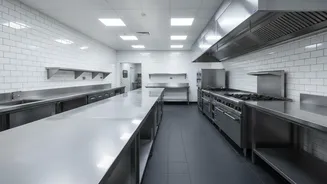
Recent food safety drives across major Indian cities are painting a concerning picture, even in high-end establishments. A three-day inspection blitz in Bengaluru in early August 2026 resulted in the seizure of large quantities of improperly stored or expired
items, including rotten meat, fungus-infested vegetables, and expired dairy products from various hotels. One kitchen at a premium lounge was even shut down due to unhygienic conditions. These are not isolated incidents. Similar crackdowns have been taking place across the country, prompted by a rise in consumer complaints about food quality and hygiene. A recent survey highlighted the gap in perception versus reality: while many consumers frequent premium-looking restaurants, 57% reported having seen dirty kitchens, dining areas, or washrooms themselves.
Why Storage is the Unsung Hero of Food Safety
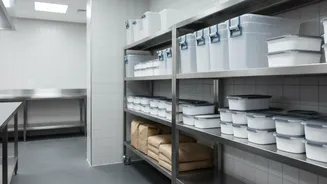
While the final cooking process is important, food safety begins long before a dish hits the pan. Proper storage is fundamental. Poor temperature control, for instance, is a grave violation as it allows dangerous microorganisms to multiply rapidly. Inspectors frequently find issues like faulty or overcrowded freezers, improper cooling of cooked food, and failure to monitor temperatures. Another major risk is cross-contamination. Storing raw meat above ready-to-eat foods, or failing to segregate vegetarian and non-vegetarian products, can transfer harmful bacteria. The Food Safety and Standards Authority of India (FSSAI) has clear guidelines to prevent this, but violations like inadequate segregation and unhygienic handling are still common findings in official inspections.
Decoding FSSAI's Storage Rulebook
The FSSAI provides detailed regulations for every stage of food handling, with storage being a key focus. These aren't just suggestions; they are legally mandated requirements. A core principle is the 'First-In, First-Out' (FIFO) system, which ensures that older stock is used before newer items to prevent spoilage. Another critical rule involves temperature. Dairy products, for example, should be received and stored at 5°C or below. FSSAI also mandates clear labelling of all stored items, proper pest control, and keeping storage areas clean, dry, and well-ventilated. Food must be stored in food-grade, airtight containers and kept off the floor and away from walls to prevent contamination and allow for air circulation. These rules are designed to create a system where safety is built-in, not an afterthought.
From Inspection to Trust: The Path Forward
The recent wave of inspections, while revealing, is a positive step toward greater accountability. For restaurants, the path to rebuilding and maintaining consumer trust is through transparency. This means not only complying with FSSAI standards but also visibly demonstrating that commitment. The FSSAI's 'Hygiene Rating' scheme, for example, allows consumers to check the compliance status of an establishment online. For diners, these incidents are a reminder that a restaurant's price point or decor doesn't always correlate with its hygiene standards. Consumer trust is a fragile commodity; studies show that past negative experiences significantly shape a consumer's vigilance and that trust in certification systems is crucial.
The Empowered Diner
As a consumer, you have more power than you think. The FSSAI has empowered citizens to be part of the regulatory process. Before visiting a restaurant, you can look up its hygiene rating on the official portal. When dining, you can look for the displayed FSSAI license, which is a legal requirement. If you encounter unhygienic conditions, poor food quality, or suspect violations, you can report it. The 'Food Safety Connect' app allows users to lodge grievances, verify licenses, and track complaints directly from their phones. By using these tools and being observant, consumers can help drive demand for higher safety standards, pushing the entire industry to improve.