





The Great Bitter Debate
For decades, the simple story about bitter foods went something like this: some people, often called “supertasters,” possess a genetic trait that makes them highly sensitive to bitter compounds. This is thanks to a taste gene called TAS2R38. Because of this heightened
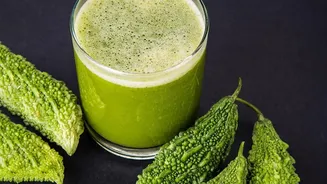
sensitivity, it was assumed these individuals naturally avoided nutritious but bitter vegetables like broccoli, kale, and cabbage, potentially leading to a lower-quality diet. It’s a logical assumption that has shaped how we think about picky eaters and the challenge of getting everyone to eat their greens. The theory was straightforward: if healthy food tastes bad to you, you’ll eat less of it. But science often reveals a more interesting picture than our assumptions allow, and a massive study from Australia has turned this idea on its head.
What a 9,000-Person Study Uncovered
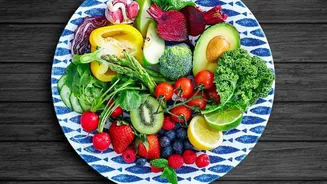
Researchers decided to move beyond small-scale taste tests and look at real-world eating habits. In a secondary analysis of a national health survey involving 9,118 Australian adults, scientists didn't just ask people what they liked; they analyzed what they actually ate over a 24-hour period. They calculated a “bitter score” for each person's diet. The findings were surprising. The group with the most bitter diets—those consuming more foods like coffee, tea, and certain vegetables—weren't suffering from poor nutrition. In fact, they scored slightly higher on a diet quality index measuring compliance with national dietary guidelines. Their diets contained more vegetables, more water, and more whole grains. This suggests that consuming bitter foods is part of a broader pattern of a health-conscious diet, rather than a barrier to one.
Diet Quality vs. Health Reality
This is where the second half of the headline comes into play: “without health guarantees.” Just because a diet scores high on a quality index doesn't mean it’s a golden ticket to perfect health. The link between what we eat and our cardiometabolic health—markers like blood pressure, cholesterol, and blood sugar—is incredibly complex. Other research exploring the link between taste genes and health outcomes paints a complicated picture. For example, some studies suggest genes related to sweet taste may have a more direct impact on cardiometabolic health than those for bitter taste. Another study found that lower perception of bitter tastes, not higher, was associated with an elevated risk for cardiovascular issues. What this growing body of research shows is that health is not determined by a single food group or taste profile. It is the result of an entire dietary pattern interacting with our unique genetics. A diet can be high in nutritious, bitter vegetables, yet other factors—like high consumption of processed foods, sugar, or a sedentary lifestyle—can still negatively impact health.
The Real Lesson: Focus on the Pattern
The ultimate takeaway isn't that you must force-feed yourself bitter greens to be healthy. Instead, the lesson is to zoom out and focus on the bigger picture. Health isn't built on one “superfood” or the avoidance of another. It’s about the overall quality and variety of your entire diet. If you're a supertaster who genuinely despises the bitterness of kale, the solution isn't to suffer through it. It’s to find other vegetables you do enjoy. Research shows that preparation methods like roasting can reduce perceived bitterness, making these foods more palatable. Moreover, a recent Harvard study of over 200,000 people emphasized that the nutritional quality of a diet is more important for long-term health than its level of processing. A healthy diet rich in fruits, vegetables, and whole grains is beneficial, even if some of those foods are minimally processed. The goal is consistency and balance, not perfection in one narrow area.