





What is HIIT?
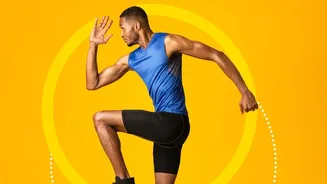
High-Intensity Interval Training (HIIT) involves short, explosive bursts of exercise followed by brief recovery periods. During the intense intervals, your heart rate should reach 80% or more of its maximum capacity. A typical session lasts just 15 to
30 minutes. Think of exercises like sprints, burpees, jump squats, or cycling at maximum effort for 30 seconds, followed by a minute of rest or slow movement, and then repeating the cycle. The core idea is to push your body to its limits for short durations, making for a very time-efficient workout.
What is LISS?
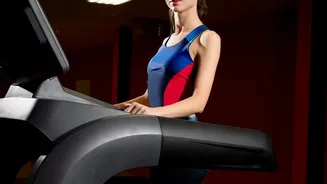
Low-Intensity Steady-State (LISS) cardio is the opposite. It involves performing an aerobic activity at a consistent, comfortable pace for a longer duration, typically 30 to 60 minutes. During a LISS workout, your heart rate remains in a lower, steady zone, around 50-65% of your maximum. This is the kind of exercise where you can still hold a conversation. Common examples include brisk walking, light jogging, swimming, or cycling at a relaxed pace. It's less demanding on the body and focuses on endurance rather than intensity.
The Time Factor: Efficiency vs. Duration
For the time-crunched desk employee, HIIT is the clear winner in efficiency. A 20-minute HIIT session can deliver cardiovascular benefits comparable to a 45-minute LISS workout. This makes it easier to squeeze into a busy schedule, perhaps during a lunch break or before the workday begins. LISS, however, requires a greater time commitment to achieve a similar calorie burn. But its lower intensity makes it easier to integrate in other ways, such as a long walk while taking phone calls or a relaxed cycle commute to the office.
The Goal: Fat Loss and Calorie Burn
Both methods are effective for fat loss, but they work differently. HIIT is famous for the 'afterburn effect', or Excess Post-Exercise Oxygen Consumption (EPOC), where your body continues to burn calories at a higher rate for hours after the workout ends. While LISS may burn a higher percentage of fat for fuel during the exercise, HIIT often results in a greater total calorie burn when EPOC is factored in. However, many experts agree that when total calories burned are matched, both methods produce similar fat loss results; the most important factor is creating a consistent calorie deficit.
The Long Game: Sustainability and Injury Risk
This is where LISS shines, especially for beginners or those returning to exercise after a long break. Because LISS is low-impact and less demanding, the risk of injury is significantly lower. It's gentler on the joints and easier to recover from, meaning you could do it more frequently. Many find LISS more enjoyable and meditative, making it easier to stick with long-term. Conversely, the high-impact, explosive nature of HIIT carries a higher risk of sprains and strains, especially if your form isn't perfect. It also demands more recovery time between sessions to avoid burnout.
The Verdict: Which Is Right For You?
The best choice depends entirely on your goals, fitness level, and lifestyle. If your primary constraint is time and you enjoy pushing yourself, HIIT offers maximum results in minimum time. If you're new to fitness, are managing joint issues, or prefer a less stressful and more sustainable routine, LISS is an excellent starting point to build a fitness base. For many people, the ideal solution isn't choosing one over the other but combining them. You could perform two HIIT sessions a week for an intense stimulus and supplement them with two or three LISS sessions for active recovery and building endurance.