


Why Go Geometric?
Geometric patterns have an inherent sense of order and rhythm that the human eye finds satisfying. In home decor, they transform a flat surface into a feature that adds depth and character. Unlike a simple coat of paint, a geometric design introduces
movement and a focal point. Triangles create a sense of direction, while hexagons provide a playful, modern feel. The trend for 2026 is moving beyond simple painted shapes to include more texture and dimension, using materials like wood slats and 3D panels to create architectural interest.
Choosing Your Pattern
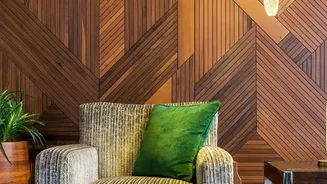
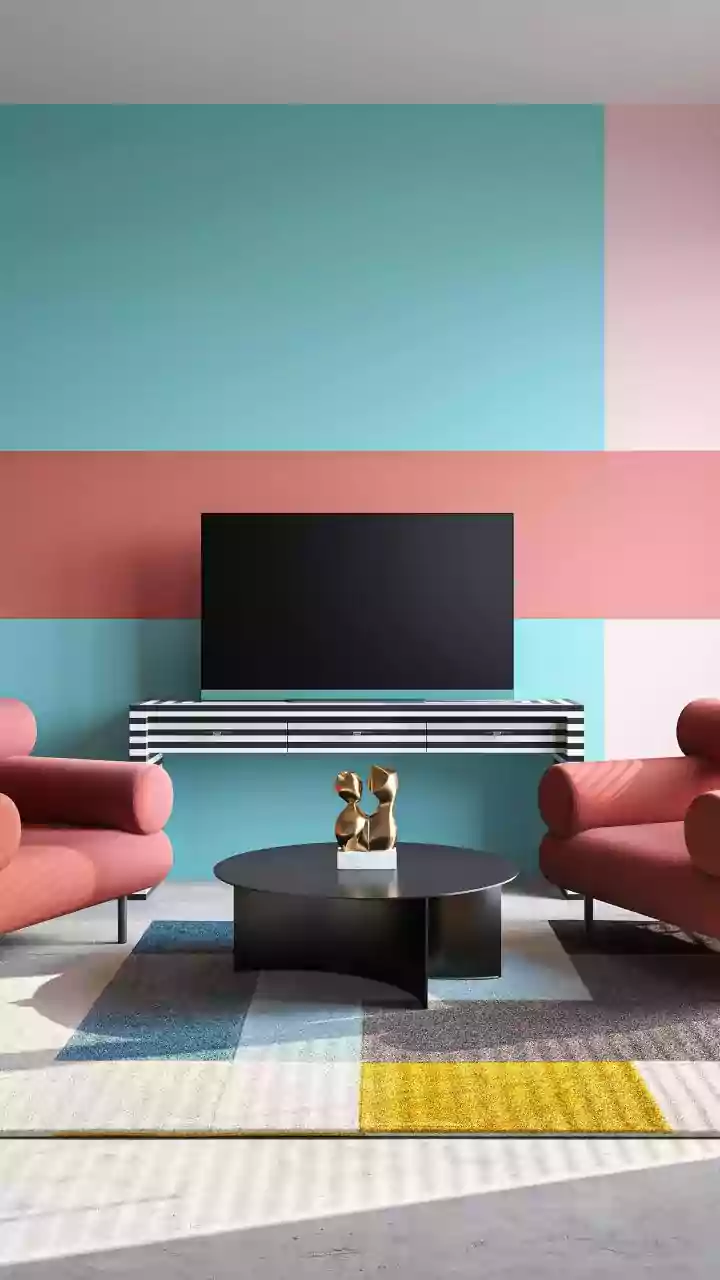
The right pattern depends on the mood you want to create. Bold, high-contrast designs with sharp angles feel energetic and are perfect for living rooms or home offices. Softer, curved shapes like circles and ovals can balance a room with lots of straight lines from furniture and architecture. For a sophisticated and contemporary look, consider asymmetrical wood slat patterns or 3D hexagonal panels. These options play with light and shadow, adding a layer of texture that paint alone cannot achieve. If you're looking for something more subtle, a monochromatic design using trim moulding or boards painted the same colour as the wall adds architectural detail without overwhelming the space.
Paint or Wallpaper?
The choice between paint and wallpaper is a key decision. Paint is the more budget-friendly and flexible option, making it ideal if you enjoy changing your decor frequently. Creating a geometric pattern with paint and high-quality painter's tape is a popular and achievable DIY project. Start with a base colour, tape off your design, and paint within the lines. Wallpaper, while often a larger upfront investment, offers complex patterns, textures, and metallic finishes that are difficult to replicate with paint. It can be more durable and is excellent for creating a high-impact statement wall with minimal hands-on effort, especially with modern peel-and-stick varieties.
Colour Palette Confidence
The colours you choose are just as important as the pattern. For 2026, the trend leans toward earthy, grounded tones like deep olive greens, warm terracottas, and moody blues or charcoals. These colours pair beautifully with natural wood tones and create a sophisticated backdrop. A high-contrast palette of black and white can provide a graphic, modern anchor to a room. If you're nervous about going too bold, try a tonal approach. Painting geometric shapes in slightly different shades of the same colour adds subtle depth. Always consider the existing colours in your room, pulling a shade from a rug or piece of furniture to ensure a cohesive look.
DIY Do's and Don'ts
If you're painting your own geometric wall, preparation is everything. Start by sketching your design on paper. Use a level and measuring tape to transfer the design to the wall, and don't be afraid to use light pencil marks or even map it out with tape first. For crisp paint lines, press your painter's tape down firmly to prevent bleeding. A pro tip for textured walls is to paint over the edge of the tape with your base colour first; this seals the edge and guarantees a sharp line when you apply your accent colour. When it's time to paint, use a small brush for the edges and a roller for the larger sections to maintain a consistent finish. Finally, remove the tape while the last coat of paint is still slightly tacky, pulling it off at a 45-degree angle for the cleanest result.