






A small bedroom can feel like a daily puzzle, but the right layout can transform it from cramped to cosy. Forget major renovations; a few strategic changes can unlock hidden potential, making your room more practical and peaceful.
Go Vertical with Wall Storage
When floor space is at
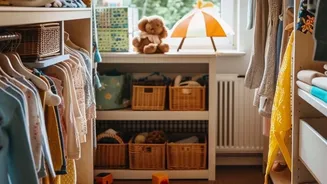
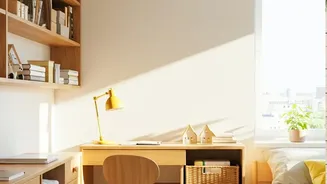
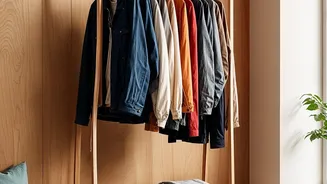
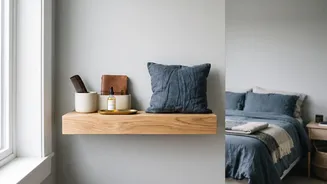
a premium, the only way to go is up. Your walls are valuable real estate that often goes unused. Instead of a wide, low dresser that eats up precious floor area, opt for a tall, narrow one that offers the same storage capacity with a smaller footprint. Floating shelves are another game-changer. Install them above your desk, beside your bed, or in an empty corner to hold books, plants, and decor. This technique draws the eye upward, creating an illusion of height and making the entire room feel more expansive. You can even mount your bedside lighting, such as sconces, to free up the entire surface of your nightstand. By getting items off the floor, you create clearer walkways and a less cluttered, more breathable environment.
Choose Smart, Multi-Functional Furniture
In a compact room, every piece of furniture should work hard and serve at least two purposes. This is the core principle of maximising a small space. A bed with built-in storage drawers underneath is a classic and highly effective choice, providing a home for off-season clothing, extra linens, or shoes without needing a separate chest. If a workspace is necessary, consider a wall-mounted fold-down desk that can be tucked away when not in use. An ottoman at the foot of the bed can serve as seating, a spot for a tray, and a hidden storage compartment. Even a simple, slim bench can offer a place to sit while hiding shoes beneath. By choosing pieces that are versatile, you reduce the total number of items in the room, which is the fastest way to make it feel bigger.
Rethink Your Bed's Position
The bed is the largest item in the room, so its placement dictates the entire layout. The conventional wisdom of centering the bed on the longest wall isn't always best for a small space. Consider pushing your bed into a corner. This can free up a significant amount of central floor space, making the room feel more open and easier to move around in. You might sacrifice a second nightstand, but the gain in usable space is often worth it. Alternatively, if you have a narrow room, placing the bed lengthwise against a wall can create a 'studio' feel, opening up the opposite side for a clear path or a slim desk. Don't be afraid to experiment with unconventional layouts; sometimes the most counter-intuitive position is the one that unlocks the room's full potential.
Use Mirrors to Create an Illusion of Depth
It’s a classic interior design trick for a reason: it works. Mirrors are your best friend when it comes to making a room feel larger and brighter. The most effective placement is to hang a large mirror on the wall directly opposite a window. This will capture the natural light and bounce it back into the room, essentially creating a second 'virtual' window that adds both light and an incredible sense of depth. Avoid a cluster of small, decorative mirrors, which can look busy; a single, large, full-length mirror will have a much more dramatic impact. If you need a wardrobe, consider one with mirrored doors. This combines a necessary piece of furniture with a space-enhancing feature, doubling the visual size of the room without taking up any extra wall space.
Stick to a Light and Airy Colour Palette
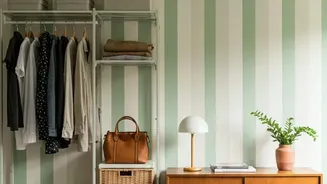
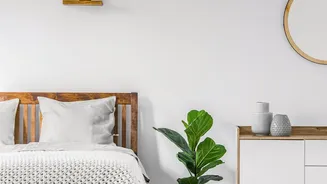
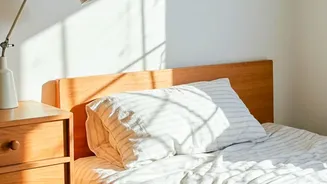
Colour has a profound effect on our perception of space. Darker colours tend to absorb light and can make walls feel like they are closing in. To create a more open and spacious atmosphere, stick to a light and neutral colour palette. Soft whites, light creams, and pale greys are excellent choices as they reflect light, making the room feel airy. This doesn't mean the room has to be boring. You can introduce warmth and personality through textures in your bedding, rugs, and curtains. Painting the walls and ceiling the same light shade can also help blur the boundaries of the room, making it feel taller and more expansive. Pair this with sheer curtains that let in plenty of natural light, and you will have a space that feels calm, uncluttered, and significantly larger than its measurements suggest.