
The Heart of the Festival
Janmashtami commemorates the birth of Lord Krishna, the eighth avatar of Vishnu, who is revered as a supreme deity in his own right. The festival falls on the eighth day (Ashtami) of the dark fortnight in the Hindu month of Bhadrapada, which typically
aligns with August or September. For 2026, the main celebrations will take place on Friday, September 4th. Festivities often begin at sunrise and culminate in a midnight prayer, as Krishna is believed to have been born at that hour. Devotees observe fasts, sing devotional songs (bhajans), and visit temples, which are elaborately decorated with flowers and lights.
The Epicentre: Mathura and Vrindavan
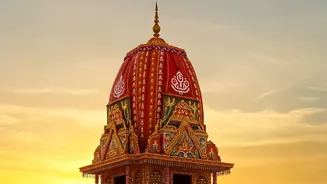
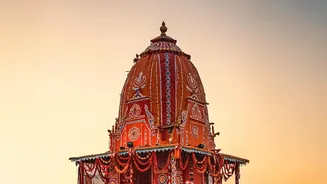
To witness Janmashtami in its most traditional and grand form, one must travel to the Braj region of Uttar Pradesh. Mathura, Krishna's birthplace, and Vrindavan, where he spent his childhood, are the undisputed heartlands of the celebration. In Mathura, the Shri Krishna Janmabhoomi temple complex becomes the focal point, with lakhs of devotees gathering for the midnight 'abhishek'—a sacred bathing of the idol in milk, honey, and ghee. Nearby Vrindavan, home to thousands of temples like Banke Bihari and ISKCON, brims with the sound of chanting and Raas Leela performances, which are dance-dramas depicting Krishna's life. Be prepared for an electric atmosphere and understand that navigating these towns during the festival means embracing the chaos; walking is often the fastest way to get around.
Mumbai's Dahi Handi Spectacle
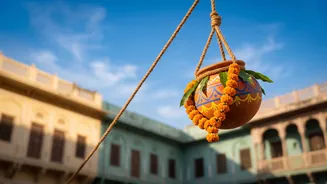
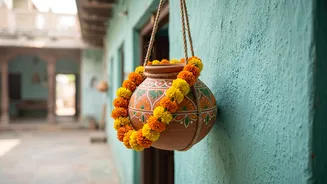
In Maharashtra, particularly Mumbai and Thane, the day after Janmashtami is marked by the thrilling spectacle of Dahi Handi. This tradition reenacts Krishna's mischievous childhood antics of stealing butter. Teams of young men, called 'Govindas', form towering human pyramids to reach and break a clay pot (handi) filled with curd, which is suspended high above the streets. The atmosphere is one of high energy, competition, and community spirit, with large crowds gathering to cheer on the teams. Major events in Dadar, Thane, and Worli attract professional teams and offer significant prize money, making it a can't-miss cultural event for visitors.
Sacred Rituals to Witness
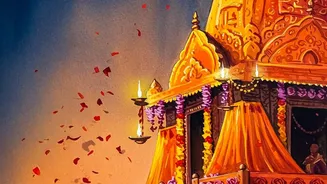
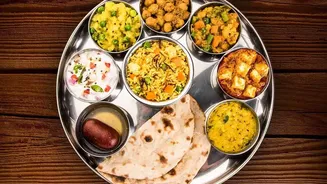
Beyond the main locations, several key rituals define the Janmashtami experience. The midnight 'aarti' and the ceremonial bathing (abhishek) of the deity are central to temple celebrations everywhere. Many temples also feature a 'jhulan utsav,' where an idol of baby Krishna is placed in a beautifully decorated cradle and rocked by devotees. Another key event is the Raas Leela, a vibrant performance of dance and drama that narrates stories from Krishna's life, especially his relationship with Radha. Devotees also engage in night-long devotional singing, fasting until midnight, and preparing special foods, including a 'Chhapan Bhog,' an offering of 56 distinct dishes to the Lord.
Navigating Crowds and Staying Safe
Traveling during Janmashtami requires planning, as the festival draws immense crowds, especially in pilgrimage centers like Mathura and Vrindavan. Booking accommodation and transport several weeks, if not months, in advance is essential. When visiting temples, expect long queues and crowded lanes; it's wise to arrive several hours before a major ritual. Travel light, wear comfortable shoes, and keep valuables to a minimum. Stay hydrated, be mindful of your surroundings, and check local traffic advisories before heading out. While the crowds are part of the experience, having a flexible schedule and being patient will ensure your trip is memorable for the right reasons.