






An Unseasonable September Swelter
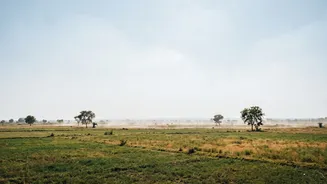
Across the country, daytime temperatures have remained stubbornly high, with some regions experiencing heat well above the average for this time of year. While September is a transitional month, the current intensity of heat is unusual. Forecasts for many
parts of north and central India show daytime highs persisting in the mid-to-high 30s Celsius. This prolonged warmth is occurring during a period when residents normally expect relief from the preceding hot months, leading to widespread discomfort and concerns over energy consumption as air conditioning use remains high.
The Monsoon's Confusing Retreat
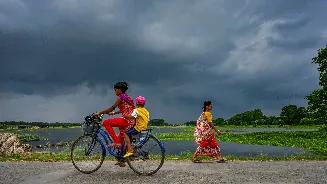
A key reason behind the September heat is the behaviour of the Southwest Monsoon. This year's monsoon has been erratic. After a deficit in June and a recovery in July, August closed with a significant rainfall deficit. Now, weather models suggest the monsoon is preparing to withdraw, possibly earlier than usual from northwestern India. A break in monsoon activity or an early withdrawal leads to clearer skies and less rain, allowing for more direct solar radiation and a subsequent spike in temperatures. In some areas like Varanasi, however, the monsoon's withdrawal may be delayed, showing how variable the pattern is across the country.
Immediate Impacts on Water and Farming
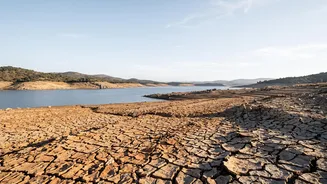
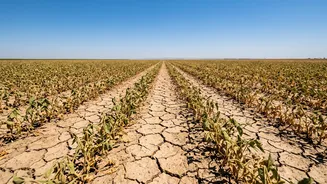
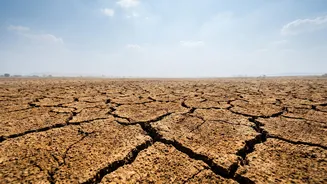
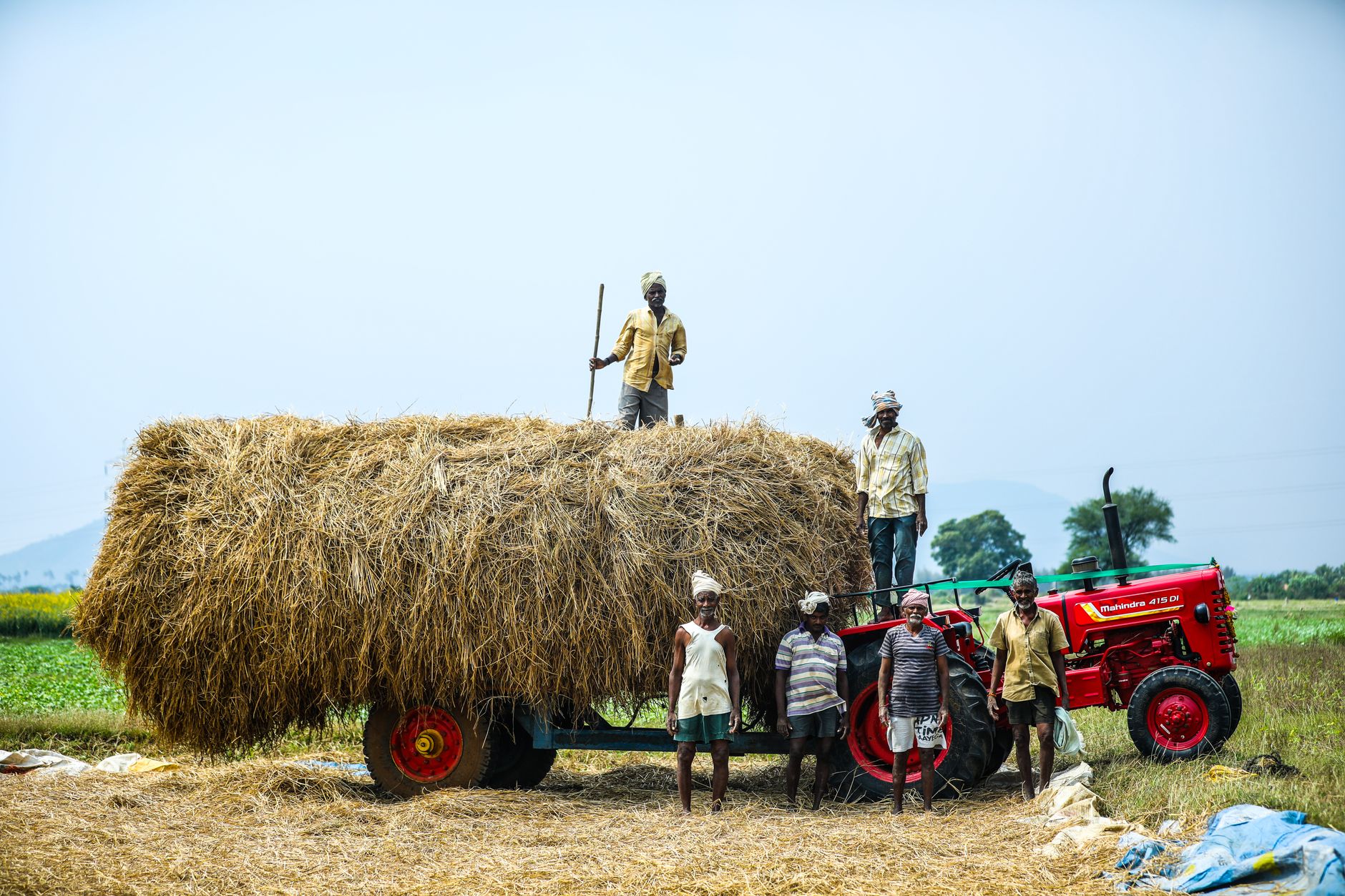
The combination of a weak end to the monsoon and high heat has direct consequences. Deficient rainfall throughout August has already put many regions under rain stress, with states like Punjab and Andhra Pradesh facing significant shortfalls. This affects the sowing of rain-fed Kharif crops, which are crucial for the nation's food security. A delayed or weak monsoon shortens the growing season and can lead to reduced yields. Furthermore, a lack of rain means reservoirs and groundwater are not adequately replenished, which can lead to water shortages for both agricultural and urban use in the coming months.
The Bigger Climate Change Picture
This year's September heat is more than just a random weather event; it's consistent with a larger, more worrying trend. Scientific consensus indicates that climate change is making India's monsoon more volatile. The once-predictable rhythm of the seasons is being replaced by a pattern of extremes: long dry spells punctuated by intense, sudden downpours, and delayed onsets or withdrawals. Studies show that for every degree of global warming, monsoon rainfalls could increase in intensity but become more erratic in their timing and distribution. This collapse of timing is a significant risk, as India's entire agricultural and water management system is built around the monsoon's predictability.
What This Means for the Future
The increasing frequency of these erratic weather patterns demands a new approach. The phenomenon of heat domes trapping hot air, combined with the urban heat island effect, is making cities significantly hotter. Experts warn that such extremes—hotter Septembers, delayed or failed rains, and more intense heatwaves—are likely to become more common. This affects everything from public health and crop cycles to economic stability. For the average person, it means preparing for longer, more intense summers and greater uncertainty around water availability. For policymakers, it highlights the urgent need to build resilience against these evolving rainfall patterns and invest in better water governance and climate adaptation strategies.