





A New Retail Frontier Beyond the Metros
For years, the playbook for fashion retail in India was simple: target the major metropolitan hubs of Delhi, Mumbai, and Bengaluru. But with these markets reaching saturation, brands are now looking to India’s Tier-2 and Tier-3 cities for their next phase
of growth. This shift is powered by rising disposable incomes, widespread digital adoption, and a youthful, trend-conscious demographic in these emerging urban centers. Cities like Jaipur, Coimbatore, Patna, and Vizag are no longer just dots on a map but burgeoning epicenters of commerce and aspiration. Reports indicate that a significant portion of e-commerce sales and overall retail growth is now originating from these non-metro areas, making them impossible for any ambitious brand to ignore. This expansion is not just a trend but a fundamental reimagining of India's retail landscape.
The Myth of a Single Indian Consumer
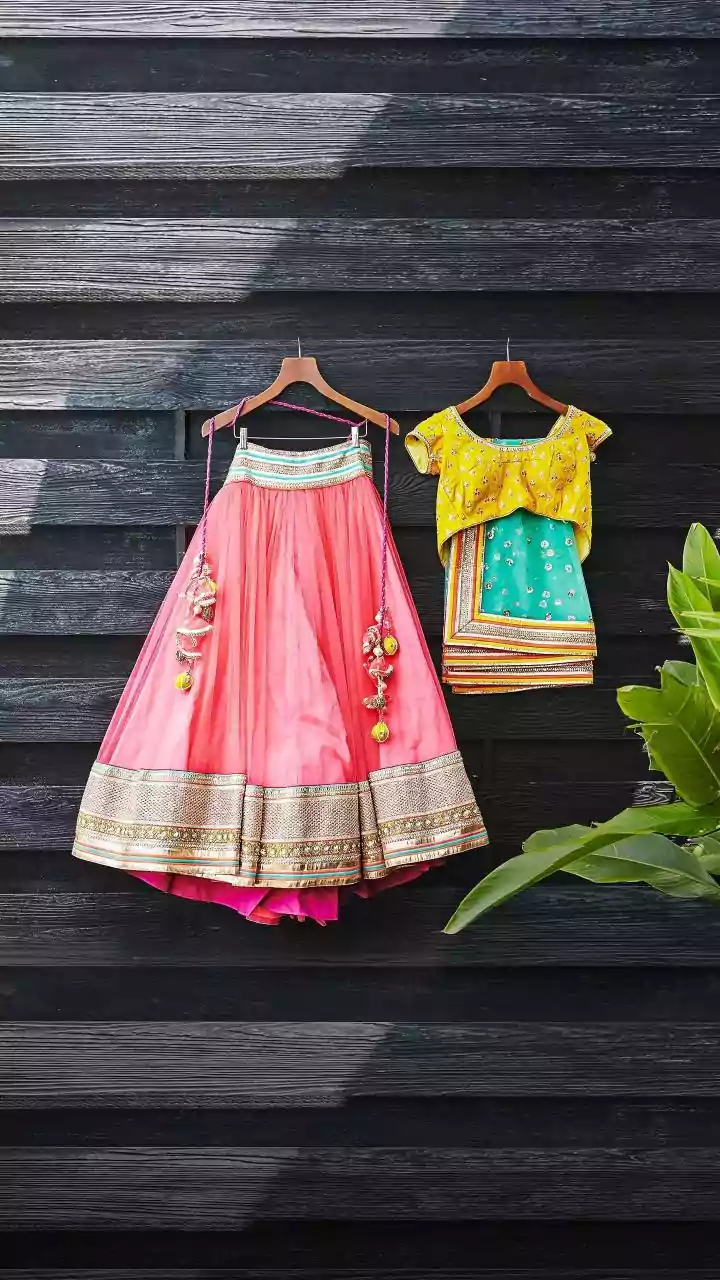
The initial assumption that brands could simply copy and paste their metro strategy into smaller cities quickly proved flawed. Success in these new markets requires a deep understanding of localization—adapting products, marketing, and the overall shopping experience to local tastes. Consumers in non-metro cities are digitally savvy and aware of global trends, thanks to social media. However, their preferences are often distinct. While metro shoppers might prioritize global high-fashion aesthetics, consumers in cities like Jaipur or Indore often show a stronger preference for designs that align with cultural values, alongside a demand for Western wear. This has forced brands to move away from a one-size-fits-all approach and instead develop a more nuanced, region-specific strategy.
Value, Aspiration, and Practicality
The defining characteristic of the non-metro consumer is a sharp focus on the balance between aspiration and value. They desire branded, trendy clothing but at a much more accessible price point. This is where homegrown brands like Zudio and Max have found immense success, offering contemporary designs at prices comparable to local bazaars but with a modern, air-conditioned shopping experience. The consumer in these regions is also practical. They might prefer different fabrics suited to the local climate or more modest cuts that fit with community norms. The physical act of shopping is also different; it is often a family outing, making the in-store experience, from trial rooms to customer service, a critical factor for success. Brands that understand this trifecta of price, trend-awareness, and practical needs are the ones winning this new market.
How Brands Are Cracking the Code
The strategies for capturing this market are diverse. Value-fashion players like Zudio are expanding aggressively with a high-volume, low-margin model, focusing on smaller cities and avoiding expensive high-street locations. Their rapid inventory turnover, sometimes as quick as 15 days, ensures styles are always fresh, drawing customers back frequently. International giants like Zara and H&M are also adapting, opening stores in cities like Lucknow and Jaipur, but often with adjusted product mixes. For instance, they might introduce lines of ethnic wear or adjust pricing to compete. The playbook includes using local influencers for marketing, offering discounts during regional festivals, and ensuring product assortments are precisely aligned with what local shoppers want to see in the store, as a mismatch can lead to high footfall but low sales.