








What Exactly Is Neem Cake?
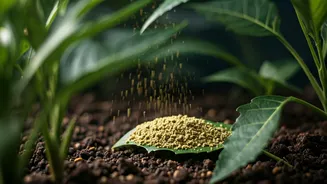
Neem cake is the organic material left behind after the seeds of the neem tree (Azadirachta indica) are crushed to extract their oil. [1, 7] This byproduct, often sold as a powder or granules, is a powerhouse of benefits for garden and potting soils.
[7, 16] While neem oil is a popular foliar spray for pests, neem cake works systemically from within the soil, offering a different, long-term approach to plant health. [1, 5] It's an entirely natural and plant-based product with a history of use in agriculture for centuries. [7, 19]
A Dual-Action Soil Enhancer
The primary appeal of neem cake is its two-in-one functionality: it's both a fertilizer and a pest deterrent. As a slow-release organic fertilizer, it provides a steady supply of essential nutrients like nitrogen, phosphorus, and potassium (NPK), as well as crucial micronutrients. [1, 14] This slow breakdown ensures your plants get a consistent feed without the risk of chemical burn, promoting steady, healthy growth. [4, 16] At the same time, it contains residual compounds from the neem seed, most notably azadirachtin, which act as a natural pest and pathogen protector. [2, 6]
Guarding Roots from Unseen Threats
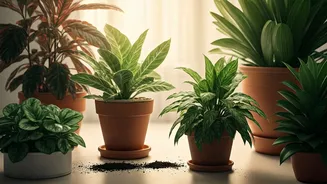
Neem cake is particularly effective against soil-borne pests that can wreak havoc on the delicate root systems of houseplants. It helps to control populations of harmful pests like fungus gnats, root-knot nematodes, and mealybugs. [1, 10, 12] The azadirachtin doesn't typically kill pests on contact like a harsh chemical might. Instead, it works by disrupting their hormonal systems, inhibiting their ability to feed and reproduce. [1] This interrupts their life cycle and prevents future generations from establishing themselves in your pots. [10] It also possesses antifungal properties that can help suppress common root diseases. [3, 6, 7]
How to Use Neem Cake Powder
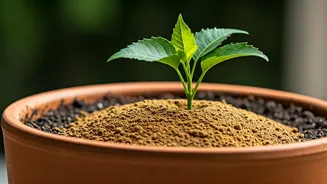
Incorporating neem cake into your plant care routine is straightforward. There are two main methods for potted houseplants. The first is to mix it into your soil blend during potting or repotting. A general guideline is to add about one to two handfuls per 5 kg of potting mix. [20] The second method is top-dressing, which is ideal for plants already in their pots. Simply loosen the top inch or two of soil, sprinkle a small amount of neem cake powder around the base of the plant, and gently mix it in. [4, 8] A common recommendation is one tablespoon for a small 6-8 inch pot and two tablespoons for a 10-12 inch pot. [4] After applying, water your plant thoroughly to help the nutrients and active compounds begin to work their way into the root zone. Applying it once every 30-45 days during the growing season is a good rhythm. [2, 4]
Important Considerations and What to Expect
While neem cake is organic, a little goes a long way. Overuse could potentially harm beneficial microbes in the soil, so it's best to stick to recommended amounts. [9] It's also worth noting that neem cake has a distinct, strong, earthy smell that some people find unpleasant. [3, 22] Mixing it well into the soil and watering can help mitigate the odour. [22] Neem cake is a preventative tool and a slow-acting solution; it builds your plant's resilience over time rather than providing an instant cure for a major infestation. [9, 22] It is generally considered safe for most plants, including vegetables and flowers, but if you have a particularly rare or sensitive plant, you may want to test it on a small scale first. [4, 22]