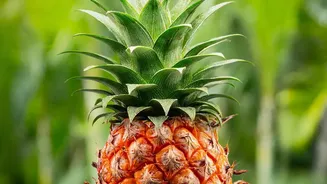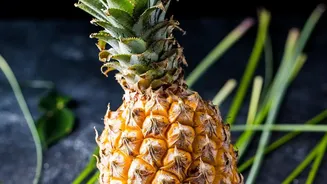






Pineapple and pear are two widely loved fruits, but how do they stack up on the nutrition front? While both are sweet and hydrating, their benefits differ, especially when it comes to the immune-boosting power of Vitamin C. Let's peel back the layers.
The Vitamin C Showdown
The most dramatic difference between these two fruits lies in their Vitamin C content. Pineapple is a powerhouse, offering a staggering 47.8 mg of Vitamin C per 100-gram serving. That's more than ten times the amount found in pears, which provide a modest 4.3 mg for the same portion size. For anyone looking to boost their immune system, support skin health through collagen production, or increase antioxidant intake, pineapple is the clear winner in this category. A single cup of pineapple chunks can provide nearly a full day's recommended value of this essential vitamin.
Fibre for Digestive Health
When it comes to dietary fibre, the tables turn in favour of the pear. A 100-gram serving of pear contains about 3.1 grams of fibre, which is more than double the 1.4 grams found in pineapple. This makes pears an excellent choice for promoting digestive regularity and supporting a healthy gut microbiome. The high fibre content also helps you feel full longer, which can aid in weight management. While pineapple still provides some fibre, pears are superior for those specifically targeting increased fibre intake.
Calories, Carbs, and Sugar
Calorically, both fruits are quite similar and relatively low. A 100-gram serving of pineapple contains about 50 calories, while the same amount of pear has approximately 57 calories. Their sugar and carbohydrate content are also comparable, with pineapple at 9.9g of sugar and 13.1g of carbs, and pear at 9.8g of sugar and 15.2g of carbs per 100g. One key difference, however, is their glycemic index (GI), which measures how quickly a food raises blood sugar. Pineapple has a medium GI of around 59-66, whereas pear has a low GI of about 38. This makes pears a better option for individuals who need to manage their blood sugar levels more carefully.
A Look at Other Vitamins and Minerals
Beyond Vitamin C, pineapple also takes the lead in several B vitamins, including thiamin (B1), vitamin B6, and folate, which are crucial for energy production and cellular function. It is also an exceptional source of manganese, a mineral vital for bone health, metabolism, and antioxidant defence. Pears, on the other hand, hold their own with slightly more Vitamin K, important for blood clotting and bone health, and similar levels of potassium, which supports heart function. Both fruits contain various beneficial antioxidants, though the specific types differ.
The Unique Benefits of Each Fruit
Each fruit also boasts a unique compound that sets it apart. Pineapple is the only significant dietary source of bromelain, a complex of enzymes known for its powerful anti‐inflammatory properties. Studies suggest bromelain may aid digestion by breaking down protein, reduce swelling and bruising after injury or surgery, and support the immune system. Pears are rich in polyphenol antioxidants, including flavonoids, particularly in their skin. These compounds have been linked to reduced inflammation and a lower risk of chronic conditions like heart disease and type $2$ diabetes.