




Understanding Tamarind's Tang
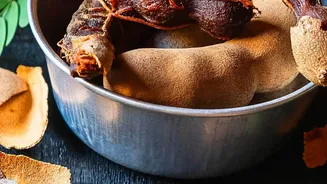
Tamarind is a fruit that grows in pods and is beloved across tropical regions for its uniquely sour and slightly sweet flavour. In Indian kitchens, it’s most commonly found as a dense, sticky block of compressed pulp. This is different from tamarind 'paste'
or 'concentrate', which are pre-prepared and more potent. The block form, often called wet tamarind, gives you the freshest taste and the most control over your cooking. Its job in a dish is to provide a bright, acidic lift, cutting through richness and balancing other flavours.
Making Your Own Tamarind Pulp
Creating your own tamarind pulp, or tamarind water, from a block is a simple but transformative step. Start by breaking off a chunk of the tamarind block and placing it in a bowl. Pour hot or boiling water over it until it's just covered and let it soak for about 20 to 30 minutes. As it softens, use your fingers to mash the pulp, separating the soft flesh from the fibrous strings and any seeds. Once it's a messy pulp, push the mixture through a fine-mesh sieve into another bowl. Use a spoon or spatula to press on the solids, extracting all the smooth, thick liquid. The resulting 'pulp' or 'water' is now ready to use. You can store any extra in an airtight container in the fridge for several days.
Cumin: The Earthy Foundation
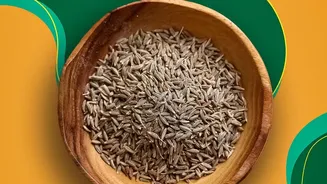
Cumin is the warm, earthy counterpoint to tamarind's bright tang. But not all cumin is created equal. While pre-ground cumin powder is convenient, the real magic happens when you work with whole seeds. Toasting whole cumin seeds in a dry pan for a minute or two until they darken slightly and become fragrant releases their essential oils, transforming their flavour from simply earthy to deeply nutty and smoky. This process is a game-changer for flavour. Another key technique is 'tadka' or tempering, where you sizzle whole cumin seeds in hot oil or ghee, infusing the fat with their aroma before adding it to a dish.
A Perfect Culinary Marriage
Tamarind and cumin are a classic pairing because they balance each other perfectly. In flavour science terms, they share a surprising number of aroma molecules, which helps explain why they work so well together. Tamarind provides the high, tangy notes, while toasted cumin offers the deep, grounding warmth. Think of it as a duet: tamarind's acidity brightens and lifts a dish, preventing it from feeling too heavy, while cumin adds a layer of savoury complexity and an enticing aroma. This combination is fundamental to many lentil dishes, sauces, rasams, and curries across India.
Putting It All Into Practice
Ready to try them together? You don't need a complicated recipe. Start simple. When making a basic dal or lentil soup, add a spoonful of your homemade tamarind pulp towards the end of cooking. In a separate small pan, make a tadka by heating ghee or oil, sizzling some toasted cumin seeds, and pouring it over the dal. You can also create a simple marinade for paneer or vegetables by mixing tamarind pulp, roasted ground cumin, a little garlic, and salt. For a zesty sauce or chutney, whisk tamarind pulp with water to your desired consistency and stir in roasted cumin powder, a pinch of chili, and a little sugar or jaggery to balance the sourness.
Tips for Finding the Right Balance
The key to using these bold ingredients is balance. When adding tamarind pulp to a dish, always start with less than you think you need. You can easily add more, but it’s difficult to correct a dish that has become too sour. Taste as you go. Remember that the sourness will mellow slightly with cooking. Likewise, while the aroma of toasted cumin is wonderful, too much can create a bitter taste. For most dishes serving four people, a teaspoon or two of cumin is a good starting point. The goal is a harmonious blend where both the tangy and earthy notes are present but neither overpowers the other.