


Start With a Simple Conversation
The most important step in planning an inclusive menu is also the simplest: just ask. A few days before your gathering, reach out to your guests and gently inquire about any food allergies, intolerances, or strong preferences. Knowing if someone is vegan,
gluten-intolerant, has a nut allergy, or simply prefers milder flavours will make your planning much more focused. It’s a thoughtful gesture that shows you care, and it eliminates guesswork, ensuring everyone feels welcome and safe. Remember to also consider those who might prefer healthier or non-fried options, as this is a growing preference for many.
Anchor Your Menu With Vegan Delights
Indian cuisine is wonderfully rich in plant-based options, making it easy to cater to vegan and dairy-free guests. Many classic savoury snacks are already vegan or can be with minor tweaks. Vegetable samosas, onion bhajis, and various pakoras are crowd-pleasers. When making them, simply use oil instead of ghee for frying or brushing. For sweets, explore recipes that use coconut milk, jaggery, and fruits. Coconut ladoos, some types of barfi made with coconut oil instead of ghee, and fruit-based desserts are excellent choices that don't compromise on festive indulgence.
Embrace Gluten-Free Flours
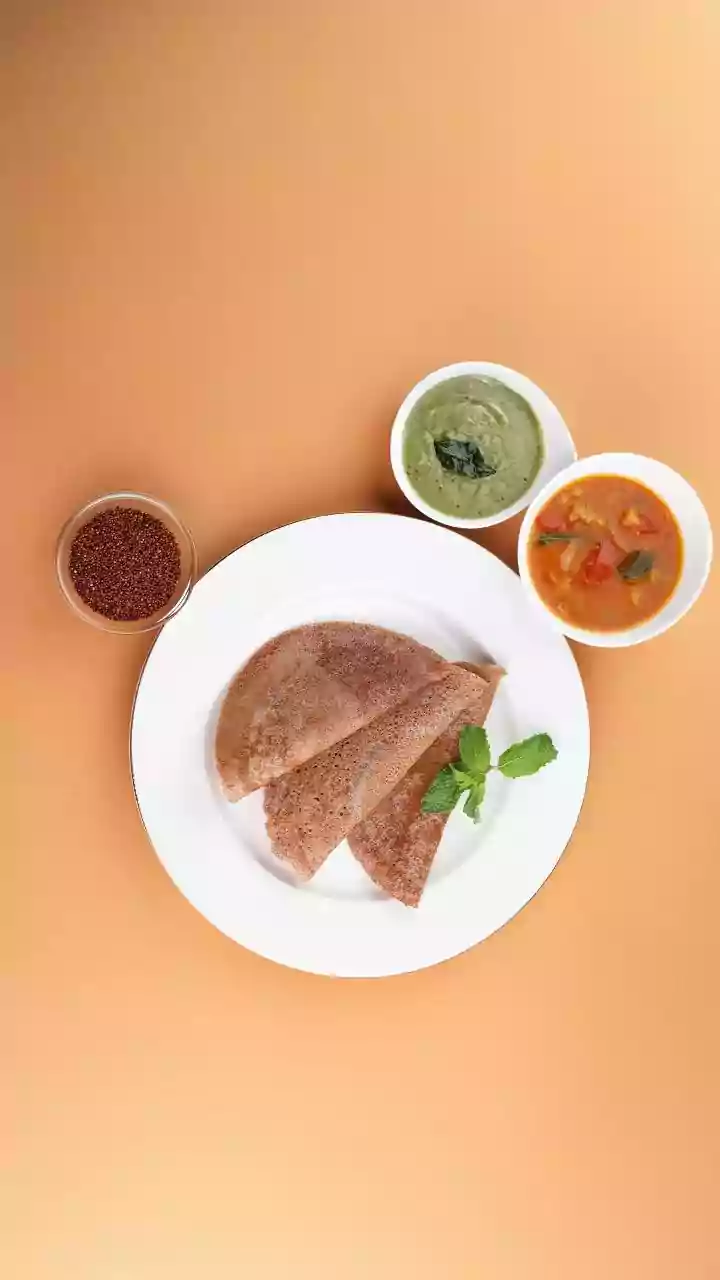
Gluten-free hosting is easier than you think, thanks to the variety of flours used in Indian cooking. Many beloved snacks are naturally free from wheat. Think of items made with besan (chickpea flour) like dhokla and khandvi. Rice flour and lentil flour are the base for crunchy snacks like murukku (chakli). When selecting sweets, look for those made from milk, nuts, or lentils, but always double-check that no wheat flour has been added as a binding agent, which can sometimes happen with store-bought mithai. You can even find recipes for gluten-free samosa pastry using alternative flours.
Navigate Nut Allergies Carefully
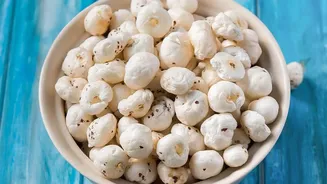
Nut allergies are serious, and Diwali sweets are often nut-heavy. The best strategy is to have a completely separate set of snacks that are guaranteed nut-free. Communication is key here. Clearly label your dishes so guests know what's safe. Sweets like milk peda, plain rasgulla, and jalebi are often nut-free, but always confirm if preparing them at home or buying from a shop. Roasted chickpeas (chana), spiced popcorn, and makhana (fox nuts) are great savoury alternatives to bowls of mixed nuts. If you have a guest with a severe allergy, it's safest to avoid cross-contamination by preparing their food separately.
Offer Lighter, Baked Alternatives
Amidst the delicious fried treats, many guests appreciate having lighter options. This doesn't mean boring; it means getting creative. Many traditional fried snacks can be baked or air-fried with excellent results. Consider baked samosas, baked mathri, or air-fried vegetable cutlets. These versions use significantly less oil but can be just as flavourful with the right spices. A platter of fresh vegetable sticks with dips like hummus or a yogurt-based dip (with a dairy-free option available) can also provide a refreshing and healthy counterpoint to the richer snacks.
Balance the Spice Levels
A good host knows that not everyone enjoys the same level of heat. When planning your snacks, aim for a balanced selection. Include some items that are flavourful but mild, alongside the spicier options. For example, you could have a spicy potato filling for one batch of samosas and a milder pea-and-paneer filling for another. Another great strategy is to serve cooling accompaniments. A fresh mint-coriander chutney, a sweet tamarind chutney, and a bowl of plain or cucumber raita allow guests to customize the heat and flavour of their snacks to their own liking.