






The Great Monsoon Retreat
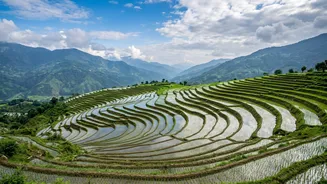
October is defined by the withdrawal of the Southwest Monsoon, a process that begins in the northwest around mid-September and gradually moves southeast over several weeks. This retreat means that by October, most of northern, western, and central India
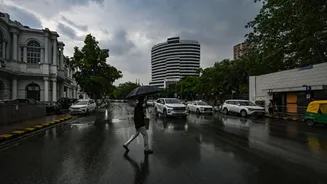
are largely dry, with clear skies and abundant sunshine. However, the transition isn't uniform. While Delhi and Rajasthan might be enjoying post-monsoon bliss, the southern peninsula, particularly the southeastern coast (Tamil Nadu and coastal Andhra Pradesh), is preparing for the onset of the Northeast Monsoon, which can bring rain later in the month.
Northern India: Perfect for Sightseeing
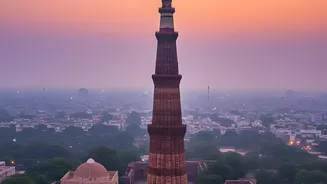
For the plains of North India, including the popular Golden Triangle circuit of Delhi, Agra, and Jaipur, October offers arguably the best weather of the year. Daytime temperatures are pleasantly warm, often hovering around 30-34°C, but without the oppressive humidity of the preceding months. The skies are generally clear, making it ideal for exploring majestic forts, ancient monuments, and bustling markets. Because it's a 'shoulder season' just before the peak tourist rush from November to January, you can enjoy major attractions with fewer crowds.
The Himalayas: A Trekker's Paradise
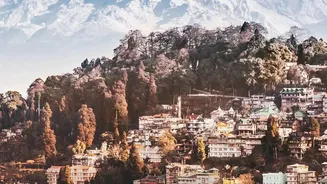
With the monsoon clouds gone, the Himalayan ranges in states like Himachal Pradesh and Uttarakhand reveal their breathtaking splendour. October is widely considered the golden month for trekking, offering stable weather, dry trails, and startlingly clear views of snow-capped peaks. Daytime temperatures at mid-altitudes are comfortable for hiking, typically ranging from 12°C to 20°C. Popular treks that are often inaccessible during monsoon become prime destinations. However, be prepared for cold nights, especially at higher elevations, where temperatures can dip to freezing.
Coastal and Southern India: Sun, Sand, and Showers
On India's west coast, destinations like Goa begin to come alive in October as the peak tourist season approaches. The heavy rains subside, beach shacks start reopening, and the sea is warm and inviting, with temperatures around 28-30°C. While Goa may still see around 125mm of rain, it's a significant drop from the monsoon deluge. In contrast, Kerala and the southeastern coast are in a more transitional phase. While the landscape is lush and green from the recent rains, this region can experience thunderstorms as the Northeast Monsoon sets in, which typically arrives in the third week of October.
Wildlife and Central India
October is also an excellent time for wildlife enthusiasts. Many national parks, such as Jim Corbett in Uttarakhand and Ranthambore in Rajasthan, are in prime condition after the monsoon. The vegetation is lush, and the climate is pleasant for safaris. The cooler, dry weather in central India makes exploring historical sites in states like Madhya Pradesh and Maharashtra much more comfortable. The Andaman and Nicobar Islands also reopen for tourism in October, offering clear waters perfect for diving and snorkelling before the peak season crowds arrive.
Essential Packing and Planning
Given the diversity of climates, layering is key. For northern India and trekking destinations, pack light woollens, a jacket for cool evenings, and sturdy footwear. For southern and coastal regions, light cotton clothing is ideal, but it's wise to carry an umbrella or a light raincoat for unexpected showers. Sunscreen and a hat are non-negotiable for the bright, sunny days you'll encounter in most parts of the country. Although the weather is generally stable, it's always a good idea to check regional forecasts before you depart, especially for the southern peninsula where the weather can be more unpredictable.