



The Origin of the Belief
The notion that houseplants are tiny, green air purifiers is not just a marketing gimmick; it has roots in scientific research. The entire concept can be traced back to a landmark 1989 study by NASA. Scientists were looking for ways to clean the air in sealed
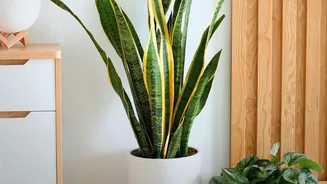
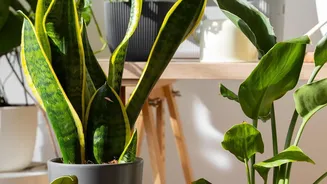
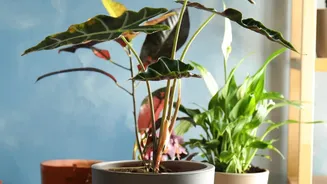
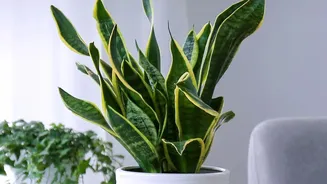
environments, like a space station. They placed common houseplants in small, sealed chambers and introduced volatile organic compounds (VOCs) — chemicals like benzene, formaldehyde, and trichloroethylene that are common indoor pollutants released from things like paint, furniture, and cleaning supplies. The results were remarkable: the plants were effective at removing a significant portion of these VOCs from the sealed air. This one study became the foundation for decades of articles, books, and product tags promoting plants like the Snake Plant, Peace Lily, and Spider Plant as natural air cleaners.
The Reality in Your Living Room
Here’s the catch: your home is not a sealed NASA space chamber. The original study was scientifically sound, but its findings don't directly translate to a typical house or apartment. The key difference is ventilation. Real-world buildings have what’s called an air exchange rate, meaning indoor air is constantly being replaced by outdoor air through windows, doors, cracks, and HVAC systems. This natural process of dilution does far more to reduce indoor pollutants than a few potted plants ever could. A 2019 review of decades of research concluded that the effect of plants in a normal room is negligible compared to the building’s natural ventilation. While the plants are technically absorbing pollutants, they do it at such a slow rate that it has virtually no impact on overall air quality.
An Impractical Number of Plants
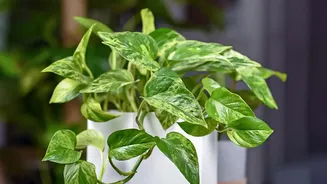
To truly replicate the air-purifying effects seen in the lab, the number of plants required is staggering. Researchers who re-analyzed the data calculated that you would need anywhere from 10 to 1,000 plants per square meter of floor space to compete with a building’s standard air exchange. To put that in perspective, a small 100-square-foot room would need between 100 and 1,000 plants to make a meaningful difference. For an average 1,500-square-foot home, you would need around 680 plants. It’s a fun visual — a home transformed into a dense jungle — but it’s completely impractical for the average person. So, if your main goal is to significantly reduce VOC levels, buying a few extra pothos plants is not the solution.
The Real, Proven Benefits of Greenery
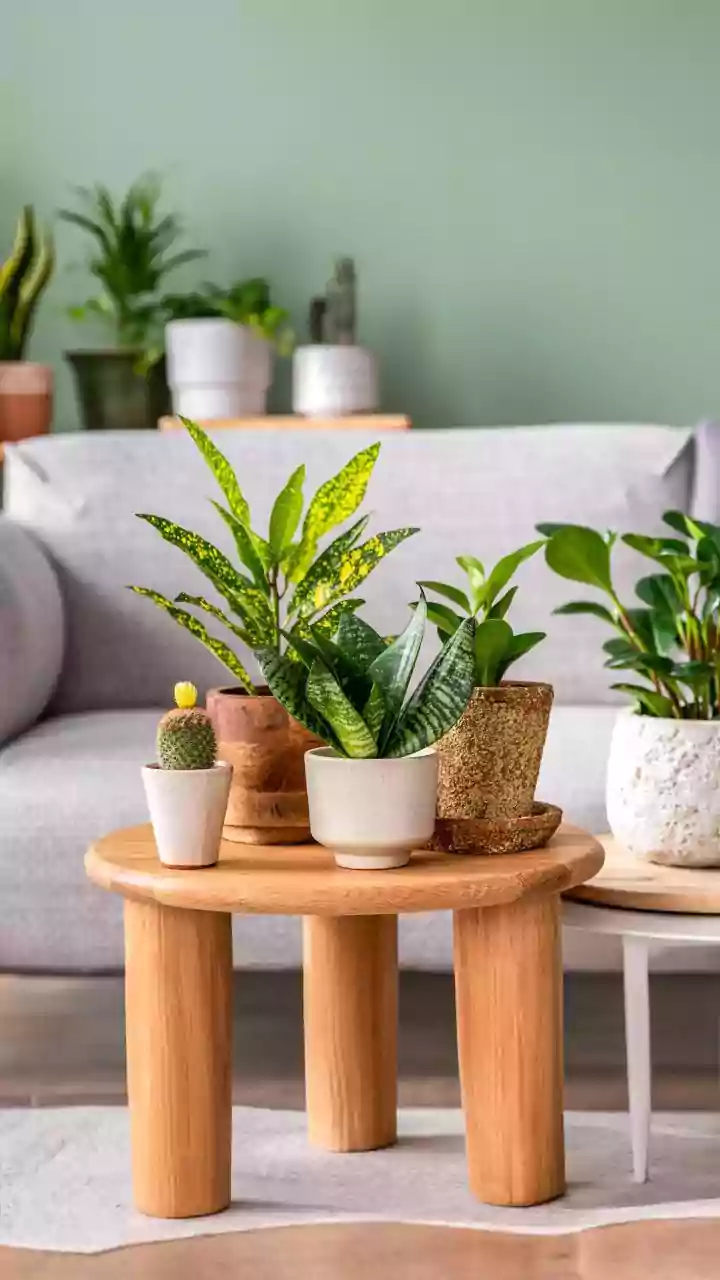
Just because houseplants are not the air-purifying powerhouses they were once believed to be doesn't mean you should abandon them. The benefits of having plants indoors are real and well-documented — they just have more to do with your mind than your lungs. Numerous studies show that interacting with indoor plants can reduce stress and anxiety. One study found that simply being in the presence of plants can lower physiological stress and even improve performance on tasks related to focus and memory. For the many people who live in urban areas without access to a garden, houseplants provide an essential connection to nature, which is strongly associated with improved mental health and well-being. They add life, colour, and beauty to our indoor spaces, which can have a powerful, positive effect on our mood.
Truly Effective Ways to Clean Indoor Air
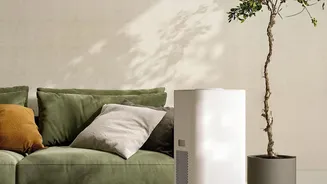
If you are genuinely concerned about indoor air quality, there are far more effective strategies than buying more plants. The U.S. Environmental Protection Agency (EPA) states that the best approaches are source control and ventilation. This means removing or reducing the sources of pollution in the first place, such as by choosing low-VOC paints and furniture. The next, most effective step is simply increasing ventilation by opening windows and using exhaust fans in kitchens and bathrooms to move pollutants outside. For those with specific health concerns like allergies or asthma, or for homes in areas with poor outdoor air quality, a mechanical air purifier with a HEPA filter is hundreds of times more effective at removing airborne particles than plants.