








A high-stakes drama unfolding at Nvidia has put a global spotlight on the intersection of personal conduct, corporate governance, and national security. The controversy involving CEO Jensen Huang raises urgent questions for the entire tech industry.
The Heart of the Allegations
The
scandal erupted in early November 2026 following media reports about Nvidia CEO Jensen Huang’s extramarital relationship with a woman U.S. intelligence officials suspect of being a Chinese spy. The woman, a former executive at a Singapore-based cloud partner of Nvidia's named Megaspeed, allegedly has connections to China's Ministry of State Security. This raised immediate concerns that a 'honey trap' situation could have compromised sensitive corporate information or U.S. national security, especially given Nvidia's critical role in the global AI race. The situation was complicated by allegations that Megaspeed was involved in smuggling restricted Nvidia chips into China, violating U.S. export controls. Huang admitted to an affair on November 8 but did not name the individual. Reports later emerged alleging at least two other affairs with company employees.
A Tumultuous Boardroom Saga
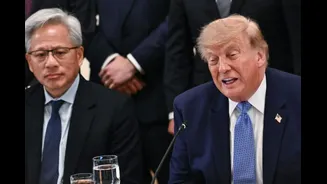
In response to the initial reports, Nvidia's board announced an independent investigation on November 8, stating it had no reason to believe secrets were compromised but would examine all information. As pressure mounted, Huang resigned on November 12. However, in a surprising reversal on November 23, the board unanimously voted to reinstate him. This decision came after the board received 'input from senior levels of the United States government' and concluded his return posed no national security risk. President Donald Trump publicly supported Huang's return, calling him a 'Great Patriot and National Treasure' and confirming he personally advocated for the reinstatement with the board.
More Than a Personal Failing
While the story involves personal indiscretions, its true gravity lies in the corporate security implications. The incident serves as a stark reminder that the 'human element' is often the weakest link in any security chain. Executives, who hold the highest levels of trust and access, can become significant insider threats, whether intentional or not. Malicious actors frequently use social engineering, such as phishing or honey traps, to target high-value individuals, exploiting personal vulnerabilities to gain corporate or state-level advantages. The Nvidia case highlights a nightmare scenario for any company: the potential for a leader's personal life to become a vector for corporate espionage, undermining billions of dollars in intellectual property and shareholder value.
Strengthening the Corporate Fortress
The scandal has forced a reckoning within Nvidia and across the industry about how to better secure the C-suite. In the wake of the controversy, Nvidia established a new National Security and Export Control Committee, comprised of independent directors, to oversee trade compliance and national security risks. The company is also creating a new chief compliance officer position. These moves reflect a growing understanding that executive security can no longer be limited to physical protection. It must now include digital exposure management, monitoring for online threats, and comprehensive awareness training for senior leaders about the sophisticated ways they can be targeted. Experts stress that fostering a culture of transparency and accountability is as crucial as any technological safeguard.