



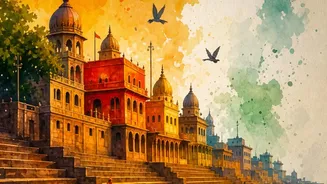
Raghurajpur: A Living Art Gallery
Just 14 kilometres from Puri, the village of Raghurajpur is recognised as Odisha's first heritage crafts village, and for good reason. Here, every home is an artist's studio and every wall is a canvas, adorned with colourful murals depicting mythological
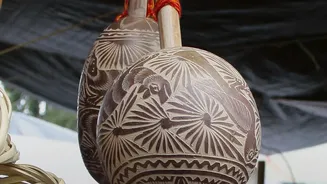
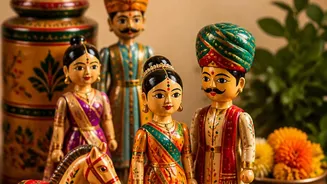
tales. This is the epicentre of Pattachitra, a traditional cloth-based scroll painting that uses natural pigments and features intricate details. Visitors can walk down the main street, interact directly with National Award-winning artists in their ancestral workshops, and even participate in hands-on sessions. These workshops allow you to grind organic stone colours and try your hand at painting on a small canvas or palm leaf, offering a deep connection to a 900-year-old art form. Beyond painting, the village is also a hub for palm leaf engraving (Tala Pattachitra), stone carving, and wooden toy making.
Pipili: The Town of Appliqué
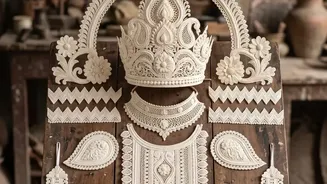
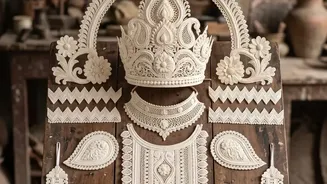
Located conveniently on the highway between Bhubaneswar and Puri, Pipili is a kaleidoscope of colour. This town is famous for its Chandua, or appliqué work, a craft with roots stretching back over a thousand years, closely linked to the rituals of the Jagannath Temple. The streets are lined with workshops and shops selling a dazzling array of products, from large decorative umbrellas and lampshades to handbags and cushion covers. Many artisans offer demonstrations where you can learn the technique of cutting brightly coloured fabric into shapes of animals, flowers, and deities and stitching them onto a base cloth. A visit to Pipili provides a chance to not only buy authentic, GI-tagged handicrafts directly from the makers but also to appreciate the skill and precision that goes into each piece.
Sadeibarani: The Ancient Art of Dhokra
For a journey into an even more ancient craft, head to Sadeibarani village in the Dhenkanal district. This is a prominent centre for Dhokra, a 4,000-year-old metal casting technique that uses the lost-wax (cire perdue) method. Each artefact is unique, handcrafted by skilled artisans who create a wax model, cover it in clay, and then pour molten brass alloy into the mould. Visiting a workshop here offers a fascinating look into this metallurgical skill. You can watch artisans create rustic, intricate figurines of tribal deities, animals, and ritual objects. Interacting with these craftspeople provides a glimpse into a tradition passed down through generations and supports the communities preserving this remarkable heritage.
Sambalpur: The Intricacy of Ikat
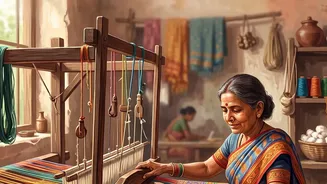
Textile lovers should plan a visit to the western part of Odisha, particularly Sambalpur and the surrounding Bargarh district. This region is the heartland of the world-famous Sambalpuri Ikat, a handloom weaving technique where threads are meticulously resist-dyed before being put on the loom. This process creates the characteristic blurry-edged, intricate geometric and floral patterns. Many weaving communities and workshops welcome visitors, offering a chance to see the masters at their wooden looms. Some tours offer a deeper cultural immersion, allowing you to interact with the weavers and understand how the creation of these famous sarees is intertwined with their daily lives. Trying your hand at the loom under a master weaver's guidance is an unforgettable experience.
How to Plan Your Artisan Tour
Planning a trip around these workshops is becoming increasingly accessible. Odisha Tourism promotes many of these craft villages, and you can often find information on their official website. For a more structured experience, several private tour operators offer curated craft trails and heritage tours that include hands-on workshops. These tours often handle the logistics, from transport to connecting you with the right artisans. Alternatively, you can travel independently. The best time to visit most of these regions is between October and March, when the weather is pleasant. It's always a good idea to call ahead if you want a guaranteed workshop experience, especially if you're not on a guided tour. Remember to carry cash for direct purchases, as it is the best way to support the artisans and their families directly.