






Understanding the Bloat
Before diving into solutions, it helps to know what you're up against. Bloating is typically caused by two main culprits: gas or water retention. Gas can build up in your digestive tract from certain foods or eating habits. Water retention, on the other
hand, is often linked to a high-sodium diet, which encourages your body to hold onto excess fluid. Making strategic choices with fresh foods can help counteract both of these issues, paving the way for a calmer, more comfortable gut.
Hydrating Heroes: Water-Rich Foods
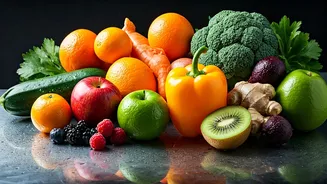
It might seem counterintuitive, but one of the best ways to fight water retention is with water. Staying hydrated helps your body flush out excess sodium and waste. If you struggle to drink enough water, you can eat it instead. Fresh foods with high water content are incredibly effective. Cucumber, which is about 95% water, is a superstar for reducing swelling and discouraging water retention. Other excellent choices include watermelon, celery, and tomatoes. Celery, in particular, offers a hydration boost that gets your digestive system moving.
The Power of Potassium
Potassium is a crucial mineral that plays a key role in balancing fluids in the body. It works directly against sodium; while sodium tells your body to retain water, potassium helps your body excrete excess sodium and fluid. Many fresh foods are packed with this essential nutrient. Bananas are a well-known source, with some studies showing they help reduce bloating by supporting good gut bacteria and calming gas production. Avocados, sweet potatoes, spinach, and tomatoes are also excellent potassium-rich options that can help your system find its equilibrium.
Enzyme-Rich Allies for Digestion
Sometimes bloating comes from sluggish digestion. Certain fresh fruits contain natural digestive enzymes that can give your system a helping hand. Pineapple is rich in an enzyme called bromelain, which helps break down proteins and can soothe an upset stomach. Similarly, papaya contains papain, another powerful protein-digesting enzyme that studies have shown can ease symptoms of bloating and constipation. Kiwi is another great choice, containing an enzyme called actinidin that also aids in protein digestion and can improve bowel regularity.
Calming Herbs and Spices
Fresh herbs and spices, many of which are staples in Indian kitchens, are traditional remedies for digestive woes. Ginger is known to improve digestion and help the stomach empty faster, which can prevent bloating. Peppermint is another powerhouse, known for its ability to relax the muscles of the intestines, allowing trapped gas to pass through more easily. Fennel seeds, often served as a post-meal digestive in India, contain compounds that have antispasmodic and anti-inflammatory properties, relaxing the gut and dissipating gas. Turmeric, with its active compound curcumin, can also help by taming inflammation in the digestive system.
When 'Fresh' Can Cause Bloating
While fresh is often best, it's important to note that some raw vegetables can be tough on the digestive system. Cruciferous vegetables like broccoli, cauliflower, cabbage, and kale are high in fiber and a complex sugar called raffinose, which can be difficult for the body to break down, leading to gas and bloating. If you find these foods cause discomfort, it doesn't mean you have to avoid them. Simply cooking them helps break down some of the tougher fibers, making them much easier to digest. Starting with smaller portions can also give your gut time to adapt.