



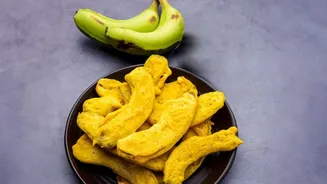

The Green Banana: A Gut Health Hero
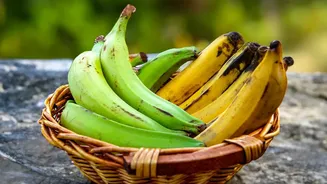
A firm, green banana might not be your first choice for a sweet snack, but its nutritional profile is impressive. Unripe bananas are packed with resistant starch, a type of carbohydrate that functions like fiber. Because your body can't easily digest
it, this starch travels to your large intestine where it becomes food for your beneficial gut bacteria. This prebiotic effect is fantastic for promoting a healthy gut microbiome. The high resistant starch content also means green bananas have a lower glycemic index, leading to a slower, more gradual release of sugar into the bloodstream. This makes them an excellent choice for anyone looking to manage blood sugar levels and stay feeling full for longer.
The Ripe Banana: An Energy-Boosting Treat
As a banana ripens and turns that familiar bright yellow, its starches convert into simple sugars like glucose, fructose, and sucrose. This is why ripe bananas taste so much sweeter. This higher sugar content makes them an ideal source of quick, easily digestible energy, perfect for a pre-workout snack or a mid-afternoon pick-me-up. For those with sensitive stomachs, ripe bananas are often easier to digest than their green counterparts. Furthermore, the ripening process increases the level of antioxidants, the beneficial compounds that help protect your body from cellular damage. Those familiar brown spots are actually a sign that antioxidant levels are peaking.
A Nutritional Showdown
While the carbohydrate profile changes dramatically during ripening, many core nutrients remain stable. Both green and yellow bananas are excellent sources of key vitamins and minerals. They are famously rich in potassium, which is vital for heart health and regulating blood pressure. They also provide a healthy dose of vitamin B6, important for metabolism and immune function, and vitamin C. The biggest shift is in the fiber composition. Green bananas are high in resistant starch and pectin, another type of fiber that contributes to feeling full and supports gut health. As the banana ripens, these fibers break down, which makes the fruit softer and easier to digest but reduces its prebiotic power.
Potential Digestive Downsides
Despite their benefits, neither banana is perfect for everyone. The very thing that makes green bananas great for your gut—resistant starch—can also cause bloating or gas in individuals who aren't used to it or who have sensitive digestive systems. On the other hand, because ripe bananas have a higher sugar content and a higher glycemic index, they might not be the best choice for individuals who need to carefully manage their blood sugar levels. However, pairing a ripe banana with a source of protein or healthy fat, like nuts or yogurt, can help slow the absorption of sugar and mitigate blood sugar spikes.
Putting Them to Use in the Kitchen
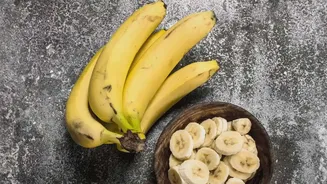
The best way to use each banana depends on its stage. The firm, starchy texture of green bananas makes them ideal for cooking. In many parts of the world, they are treated like a vegetable and used in savory dishes, curries, and stews, or fried like plantains. They can also be added to smoothies when you want to boost the fiber content without adding too much sweetness. Ripe, yellow bananas are the classic on-the-go snack. Their softness and sweetness also make them perfect for baking. Overripe, brown-spotted bananas, full of natural sugar and antioxidants, are the star ingredient in banana bread, muffins, and 'nice' cream.