



Why Ragi is a Healthy Choice
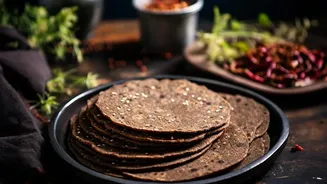
Ragi, or finger millet, is a nutritional powerhouse that is increasingly being recognized for its health benefits. It is naturally gluten-free, making it an excellent choice for those with gluten sensitivity or celiac disease. One of the standout features
of ragi is its high calcium content, which is crucial for maintaining strong bones and teeth. In fact, finger millet contains significantly more calcium than other cereals like rice and wheat. Beyond calcium, ragi is also a rich source of iron, which helps in preventing anemia, and dietary fiber. The high fiber content aids in digestion, promotes a feeling of fullness to help with weight management, and plays a role in regulating blood sugar levels. Its low glycemic index means it releases sugar into the bloodstream slowly, preventing sharp spikes, which is beneficial for individuals managing diabetes.
The Ragi Laddoo Reinvented
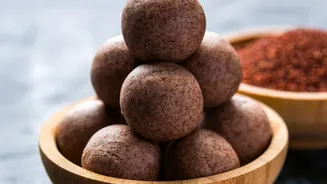
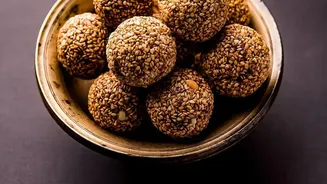
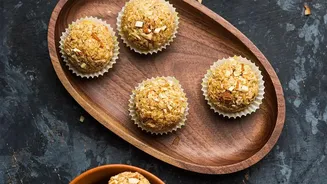
The traditional laddoo, often made with refined flour and sugar, gets a wholesome makeover with ragi. Making ragi laddoos is a simple process that enhances both taste and nutrition. The first and most important step is to properly roast the ragi flour in a little ghee. This is crucial to remove any raw taste and bring out a pleasant, nutty aroma, which typically takes about 8 to 10 minutes on a low flame. For sweetness, powdered or grated jaggery is used instead of refined sugar, which not only adds a rich, earthy flavour but also brings its own set of minerals. To create the laddoos, the roasted ragi flour is combined with the melted jaggery, more ghee, and a mix of chopped nuts like almonds, cashews, and walnuts for added crunch and nutrition. A pinch of cardamom powder is often added for fragrance. Once mixed, the warm mixture is rolled into balls. These laddoos are not just a festive treat but also a healthy snack.
A Creamy and Conscious Ragi Kheer
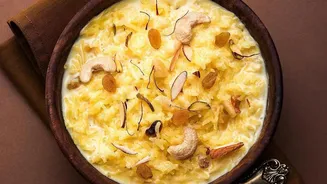
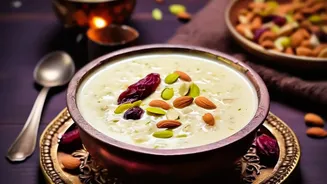
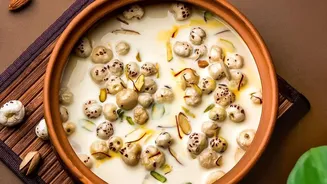
Kheer, the quintessential Indian pudding, can also be adapted to feature the goodness of ragi. A ragi kheer offers a creamy texture and can be a comforting, guilt-free dessert. The process begins similarly to making laddoos: by roasting a small amount of ragi flour in ghee until it becomes fragrant. Hot milk is then added gradually, whisking continuously to ensure a smooth, lump-free consistency. It's important to add the milk in batches to prevent lumps from forming. The mixture is simmered on low heat until it thickens to a desired pudding-like consistency. For sweetening, you can use sugar or, for a healthier option, powdered jaggery. A key tip when using jaggery is to add it after turning off the heat to prevent the milk from curdling. Finally, the kheer is flavoured with cardamom powder, saffron, and garnished with roasted nuts like almonds and pistachios. It can be served warm or chilled.
Tips for Perfect Millet Sweets
Working with millet flours can be slightly different from using refined wheat or rice flour. For the best results with your ragi sweets, always ensure the flour is well-roasted on a low flame; this is the secret to a deep, nutty flavour. When making kheer, patience is key. Add your hot liquid slowly and stir constantly to achieve that perfectly smooth texture. Feel free to experiment with additions. Desiccated coconut can add another layer of flavour to laddoos, while a variety of nuts and even seeds like sesame can boost the nutritional profile. The sweetness can always be adjusted to your preference, so taste as you go. These millet-based sweets store well in an airtight container, making them a convenient and healthy option to have on hand during the festive season.