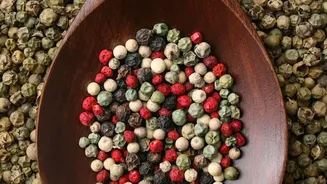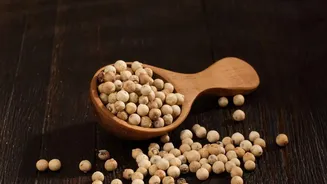


Black pepper, the 'king of spices', is a staple in every Indian kitchen. But its value makes it a prime target for adulteration. Knowing how to tell the difference between pure and fake peppercorns is the first step to ensuring quality.
What Makes a Genuine Peppercorn?
Before you can
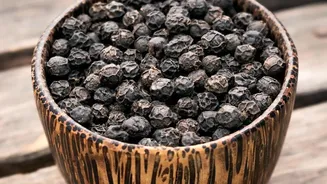
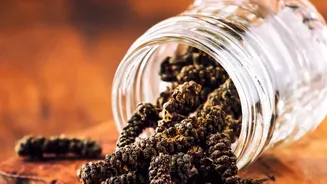
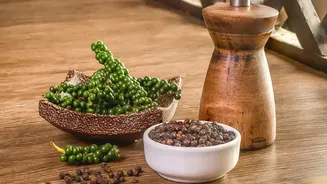
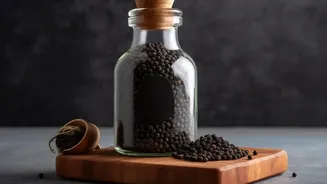
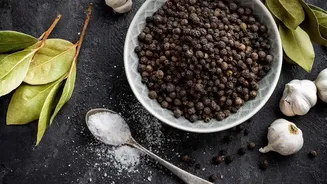
spot a fake, you need to know the real thing. Genuine, high-quality black peppercorns have a distinct appearance and feel. They are typically uniform in size with a dark brown to black colour. The most telling feature is the surface, which should be rough and wrinkled, not smooth or unnaturally shiny. A good peppercorn feels dense and hard; it won't crumble easily under finger pressure. Finally, the aroma is a dead giveaway. When you crush a real peppercorn, it releases a strong, pungent, and spicy scent. A weak or non-existent smell is a major red flag.
Meet the Common Imposters
The primary reason for adulteration is economic gain—bulking up the weight with cheaper substitutes. The most common culprit is dried papaya seeds, which bear a striking resemblance to black peppercorns. Other adulterants include 'light berries', which are immature or hollow peppercorns that lack flavour, and even tamarind seeds, chalk, or clay in ground pepper. To make these fakes look more appealing, some sellers coat them with mineral oil, which gives the peppercorns an unnatural gloss and can carry a faint, kerosene-like smell. Consuming these adulterants can lead to a range of health issues from stomach irritation to more serious long-term toxic effects.
The Water Test: Spotting Floaters
This is one of the simplest and most effective tests, recommended by the Food Safety and Standards Authority of India (FSSAI). Simply drop a spoonful of your whole black pepper into a glass of water. Pure, dense black peppercorns will sink to the bottom. Most common adulterants, like papaya seeds and light, hollow peppercorns, are less dense and will float to the surface. While a few genuine peppercorns might float due to trapped air, a significant number of floaters is a strong indicator of adulteration.
The Press and Smell Test
Your senses are powerful tools. Place a few peppercorns on a flat surface and press down firmly with your finger or a spoon. Genuine peppercorns are tough and will resist breaking. Adulterants like papaya seeds or poor-quality light berries will crush easily. After crushing, check the aroma. A powerful, peppery fragrance should be immediately obvious. Papaya seeds, on the other hand, have a repulsive or bland smell when crushed. If you detect a kerosene-like or chemical smell from a handful of peppercorns, they may be coated with mineral oil.
Visual and Texture Clues
Take a moment to simply look at your peppercorns. Spread a small amount on a white plate to examine them. Genuine pepper is dark and wrinkled. Papaya seeds, upon closer inspection, often appear slightly more oval-shaped and have a smoother, shrunken surface compared to the rugged texture of pepper. An unnaturally shiny or glossy appearance is another warning sign, often indicating a mineral oil coating. Authentic black pepper has a more natural, matte finish. Also, be wary of batches with an excessive amount of broken pieces or dust, which could be a sign of fillers.