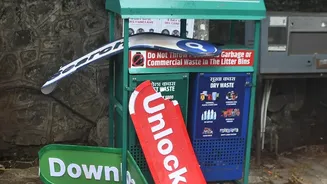







Assemble Your Zero-Waste Kit
The easiest way to refuse single-use items is to come prepared. Before you even leave home, pack a simple kit for the road. This should include a reusable water bottle, a travel coffee cup or flask, and a set of steel or bamboo cutlery. A cloth bag is also
essential for any shopping you do, allowing you to politely decline plastic bags at shops. This simple kit empowers you to avoid the most common sources of tourist waste: disposable bottles, cups, plates, and bags. The less disposable stuff you bring into the mountains, the less waste the fragile ecosystem has to handle.
Rethink Your Toiletry Bag
Many hotels offer small, single-use bottles of shampoo, conditioner, and lotion. While convenient, they create a huge amount of plastic waste. Instead, pack your own toiletries in refillable silicone containers. For an even better solution, switch to solid toiletries. Shampoo bars, conditioner bars, and toothpaste tablets are plastic-free, last longer, and won't spill in your bag. This simple switch eliminates a significant source of plastic that is rarely recycled in remote mountain areas.
Embrace Local, Unpackaged Food
Instead of stocking up on chips, biscuits, and other snacks wrapped in multi-layered plastic, explore the local markets. Hill stations offer an abundance of fresh, local fruits, nuts, and snacks that don't come in plastic packaging. Carry your own reusable containers or cloth bags to buy these items. When you eat at local dhabas or restaurants, you are also supporting the local economy and reducing the demand for packaged, processed foods that have to be transported up into the mountains.
Master the 'Carry In, Carry Out' Rule
This is the golden rule of responsible travel, especially when trekking or hiking. Whatever you take with you into nature must come back with you. This includes not just obvious trash like wrappers and bottles, but also things like fruit peels and cigarette butts. Pack a small, reusable bag specifically for your waste. In many remote regions, public dustbins are scarce, and even when they exist, the local waste management system is often overwhelmed. Taking your trash back to your hotel or a larger town for proper disposal is the most responsible action.
Choose Your Stay and Operators Wisely
Support businesses that share your commitment to sustainability. When booking accommodation, look for homestays and hotels that openly talk about their environmental practices. Do they have water conservation measures in place? Do they segregate waste? Do they source local food? Many eco-conscious properties now highlight these efforts. Choosing to give your business to these establishments encourages more operators to adopt green practices. Let management know that their environmental policies influenced your decision to stay with them.
Say No to Bottled Water
Plastic water bottles are one of the biggest contributors to the waste crisis in the Himalayas. Your reusable bottle is your best tool against this. Refill it at your hotel, in restaurants, or use a portable water filter or sterilising tablets. Many cafes and even some shops are now offering filtered water refills for a nominal cost. Every time you refill your bottle, you prevent one more piece of plastic from potentially ending up on a mountainside or in a river. This single hack has a massive cumulative impact.