





What Are the New PUC Rules?
The Ministry of Road Transport and Highways has introduced the Central Motor Vehicles (Sixteenth Amendment) Rules, 2026, which revise the validity period for PUC certificates. The main change is that the renewal frequency now depends on your vehicle's
emission standard (Bharat Stage or BS) and its age, calculated from the date of first registration. Previously, most BS-VI vehicles received a standard one-year certificate. The new system creates different timelines for different vehicles, aiming to be stricter with older models while giving newer, cleaner vehicles a longer validity period.
Revised Validity for Private Vehicles
For private (non-transport) car and two-wheeler owners, the new schedule is crucial. The rules specifically target different vehicle ages and emission norms. For older vehicles (BS-I, BS-II, and BS-III), the PUC certificate is now valid for only three months. For BS-IV vehicles, the validity is six months. The biggest changes apply to BS-VI vehicles. If your private BS-VI vehicle is up to six years old, its PUC certificate will be valid for three years. If it is between six and ten years old, the validity is one year. For BS-VI vehicles older than ten years, the certificate must be renewed every six months.
How to Comply and Get Certified
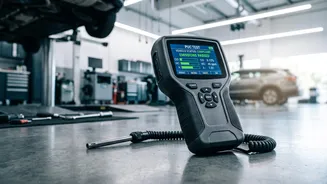
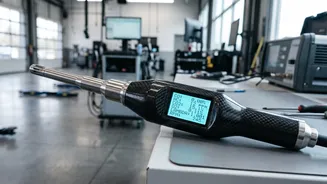
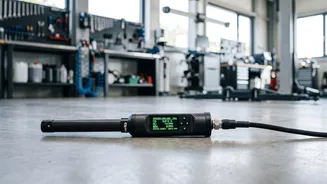
Getting a PUC certificate is a straightforward process. You must take your vehicle to an authorised emission testing centre, which are commonly found at petrol pumps and licensed service stations. The operator will insert a probe into your vehicle's exhaust pipe to measure the emission levels of pollutants like carbon monoxide and hydrocarbons. The entire test usually takes less than 15 minutes. If your vehicle's emissions are within the prescribed limits, the centre will issue a computerised, QR-code-based certificate that is automatically linked to the national VAHAN database. You can also download a digital copy from the official Parivahan portal.
Penalties for Non-Compliance
Driving without a valid PUC certificate is a serious offence under the Motor Vehicles Act. If you are caught, you could face a hefty fine of up to ₹10,000, imprisonment for up to six months, or both. Enforcement has become increasingly digital, with authorities using the VAHAN database to check for compliance. In some regions, like the Delhi-NCR, a 'No PUC, No Fuel' rule is in effect, where petrol pumps can refuse to serve vehicles that do not have a valid certificate. Existing PUC certificates will remain valid until their expiry date; the new rules will apply upon your next renewal.
The Bigger Picture: Tackling Air Pollution
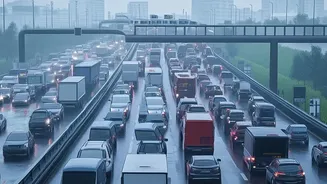
These revised rules are part of a larger government effort to combat the severe air pollution crisis in many Indian cities. By ensuring that older, more polluting vehicles are tested more frequently, the government aims to identify and remove high-emission vehicles from the roads. The integration with the national VAHAN database and the introduction of QR-coded certificates are designed to prevent fraud and create a transparent, centralised system for monitoring vehicular emissions nationwide. For vehicle owners, this means staying vigilant about their certificate's expiry date is more important than ever to avoid penalties and contribute to cleaner air.