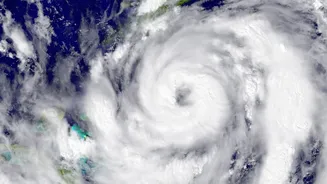




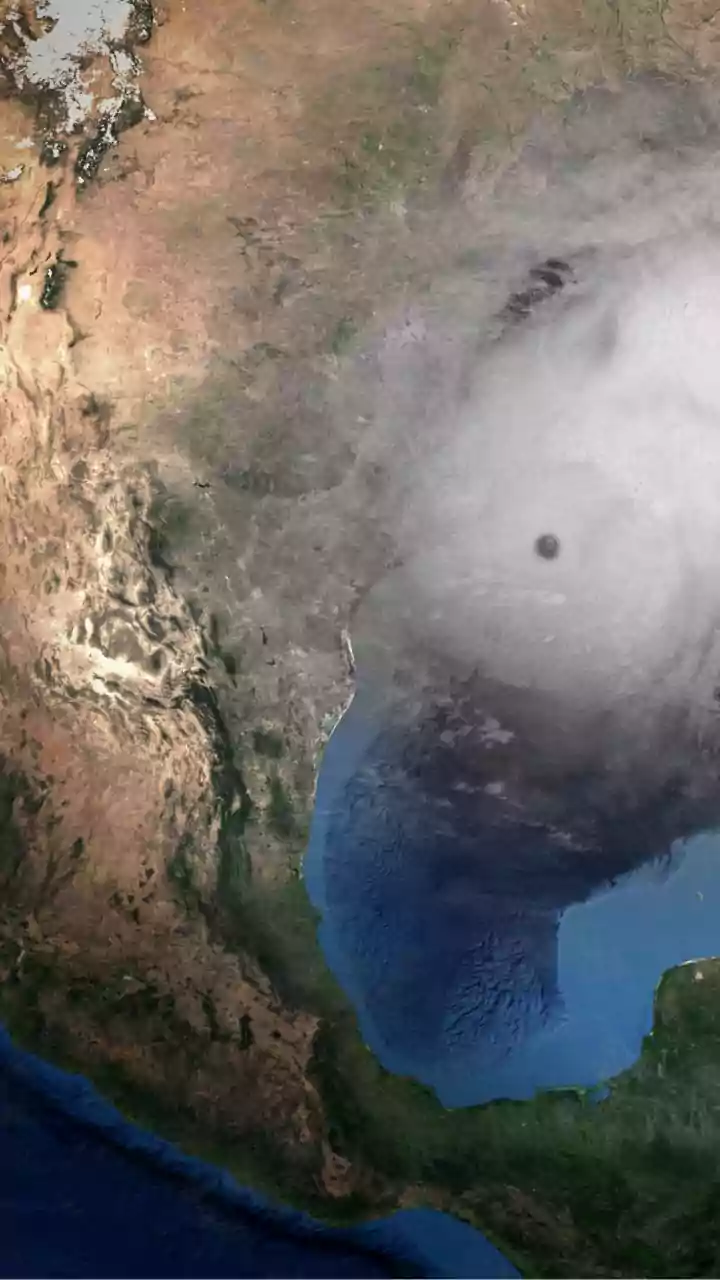



Coastal states are on high alert as Cyclone Arnab made landfall on India's eastern coast on Wednesday morning, bringing torrential rains and powerful winds. Authorities are urging residents to take immediate precautions and stay informed.
Arnab's Landfall and Current Status
The India Meteorological
Department (IMD) has confirmed that 'Very Severe Cyclonic Storm Arnab' completed its landfall process on the morning of October 28. The storm crossed the Andhra Pradesh and Yanam coasts with maximum sustained wind speeds of 125-135 kilometres per hour, with gusts reaching up to 150 kph. After making landfall, the system weakened into a 'Severe Cyclonic Storm' and is expected to continue losing strength as it moves further inland. The IMD has warned that heavy rainfall will continue in the affected regions.
Which States Are Most Affected?
Andhra Pradesh and Odisha are the primary states bearing the brunt of the cyclone. The storm made landfall near Yanam, impacting coastal Andhra Pradesh districts like Kakinada, Narsapur, Visakhapatnam, and Machilipatnam most severely. Heavy to extremely heavy rainfall has been recorded across several districts in Andhra Pradesh. Southern districts of Odisha are also on high alert, experiencing significant rainfall and strong winds as the storm's influence extends across the region. As a precautionary measure, schools in some districts of Jharkhand have also been closed.
Massive Evacuations and Preparations
In a massive preparedness effort, authorities in Andhra Pradesh and Odisha have evacuated nearly 180,000 people from low-lying and vulnerable coastal areas to safer shelters. The National Disaster Response Force (NDRF) and State Disaster Response Force (SDRF) teams have been deployed in affected regions to carry out rescue and relief operations. Control rooms have been activated, and governments are focused on a 'zero casualty' goal. Fishermen were warned not to venture into the sea, and thousands of boats have returned to harbour. Train services have been cancelled or diverted as a precautionary measure, and several flights to Visakhapatnam were also cancelled.
Understanding the Official Alerts
The IMD uses a color-coded system to warn citizens. A 'Red Alert' signifies a need to 'Take Action' and is the highest level of warning, issued for extremely severe weather that poses a significant threat to life and property. An 'Orange Alert' means 'Be Prepared' for extremely bad weather that could disrupt power supply and transport. A 'Yellow Alert' advises people to 'Be Aware' as weather conditions could worsen and disrupt daily activities. These alerts are crucial for helping the public and authorities gauge the severity of the situation and act accordingly.
Essential Safety Measures to Follow
Authorities have urged residents in the cyclone's path to stay indoors and away from doors and windows. It is crucial to disconnect electrical appliances and avoid using them if they are wet. Do not go outside until official sources declare it is safe to do so. After the storm, be extremely cautious of fallen power lines, uprooted trees, and damaged buildings. Prepare an emergency kit with essentials like a torch, batteries, first_aid supplies, dry food, and water. Keep mobile phones charged to receive emergency alerts and stay updated through official news channels and radio.