




Jamun (Java Plum)
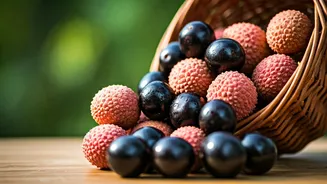
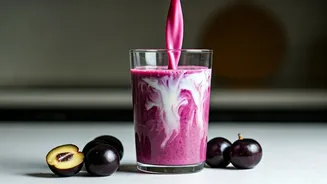
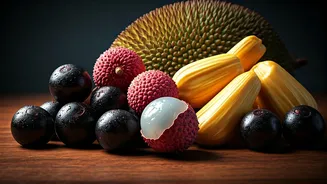
If you ever visit an Indian market during the monsoon, you’ll find vendors selling this deep purple, olive-sized fruit. Jamun, also known as Java plum or black plum, has a unique taste that’s a mix of sweet, sour, and astringent. It’s the kind of flavor
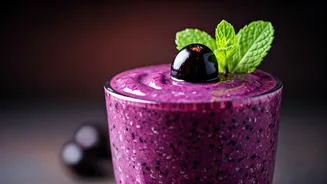
that makes your mouth pucker in the best way possible. Nutritionally, jamun is a powerhouse. It’s loaded with antioxidants, particularly anthocyanins, which give the fruit its dark color and help combat oxidative stress in the body. It’s also a great source of Vitamin C, iron, and potassium. Traditionally used in Ayurvedic medicine to help manage blood sugar levels, modern research suggests its compounds may have a positive effect on insulin sensitivity. You’re unlikely to find it fresh in the U.S., but you can often find it as a frozen pulp or juice in South Asian grocery stores.
Lychee and Rambutan
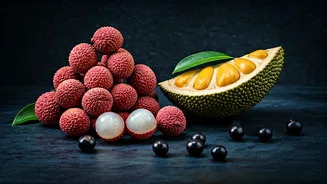
These spiky, strange-looking cousins are iconic fruits of the rainy season in Southeast Asia. Lychee, with its bumpy red skin, and rambutan, with its wild, hairy exterior, both hide a sweet, fragrant, and translucent white flesh inside. Their flavor is a delicate floral sweetness, like a cross between a grape and a pear. Both are exceptional sources of Vitamin C, a crucial nutrient for bolstering the immune system—perfect for a season often associated with colds and flu. A single serving can provide a significant portion of your daily requirement. They also offer a good dose of copper, which is vital for creating red blood cells and maintaining healthy nerves. While finding them fresh can be a treasure hunt, they are increasingly available canned in syrup (just be mindful of the added sugar) or sometimes fresh in Asian markets during the summer months.
Jackfruit
You might know jackfruit as the trendy plant-based meat substitute that mimics pulled pork. But in its ripe form, it's a completely different experience. As the world's largest tree-borne fruit, a ripe jackfruit is intensely fragrant and filled with fleshy pods that taste like a tropical blend of banana, pineapple, and mango. The monsoon is a peak season for this giant fruit in many parts of Asia. The health benefits are just as impressive. Ripe jackfruit is rich in dietary fiber, which aids digestion and promotes a feeling of fullness. It’s packed with Vitamin C and carotenoids, the pigments that give it a yellow color, which your body can convert into Vitamin A. This vitamin is essential for good vision and immune function. You can find ripe jackfruit fresh in some specialty stores, but it's more commonly available canned or frozen.
Pomegranate
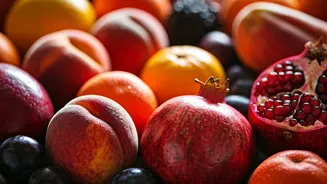
Though available in the U.S. in the fall, pomegranates are a celebrated monsoon and post-monsoon fruit in many parts of South Asia. Cracking open its leathery skin to reveal hundreds of jewel-like seeds, or arils, is a reward in itself. Each aril is a burst of sweet and tart juice. Considered a superfood for good reason, pomegranates are teeming with powerful antioxidants called punicalagins and anthocyanins. These compounds have been studied for their potential to reduce inflammation and protect against chronic diseases. The fruit is also a great source of fiber, Vitamin C, and Vitamin K. Instead of just thinking of it as a holiday garnish, consider pomegranate juice (with no added sugar) or seeds as a year-round boost for your heart and overall health.
Peach (Indian Varieties)
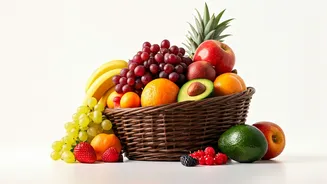
While we associate peaches with Southern summers in the U.S., the early monsoon season in the hilly regions of Northern India brings a fantastic harvest of a fruit they call 'Aadu.' These peaches are often smaller and have a more intense sweet-tart flavor profile than their American counterparts. They are a welcome sight as the rains begin to cool the scorching summer heat. Like the peaches we know and love, they are a solid source of vitamins C and A, which are essential for skin health and immune support. They also provide a healthy dose of fiber, which helps regulate the digestive system. Their high water content makes them incredibly hydrating, a perfect benefit during the hot and humid monsoon weather. Look for different peach varieties at your local farmers' market to get a sense of the diverse flavor profiles this stone fruit has to offer.