







Why Your Diet Needs a Monsoon Makeover
The rainy season, or ‘Varsha Ritu’ in Ayurveda, significantly alters our body's balance. According to experts, the digestive fire, or 'Agni', becomes weaker during this time due to high humidity. [3, 6] This makes it harder for our system to process heavy
meals, leading to issues like bloating, acidity, and indigestion. Furthermore, the moist environment is a perfect breeding ground for bacteria and viruses, increasing the risk of water-borne and food-borne illnesses like typhoid, cholera, and diarrhoea. [10, 16] A mindful, seasonal diet is therefore not just a choice but a necessity to bolster your immune system and keep these common monsoon ailments at bay. [7] The focus should be on light, warm, and easily digestible foods that support your gut and enhance your body's natural defences. [5]
Foods to Embrace This Season
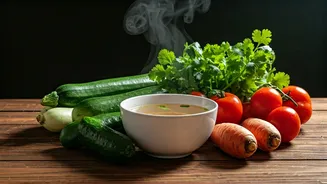
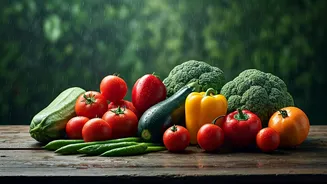
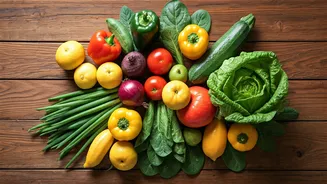
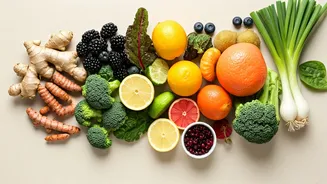
To fortify your immunity, focus on incorporating plenty of seasonal vegetables and fruits. Gourds like lauki (bottle gourd), turai (ridge gourd), and karela (bitter gourd) are excellent choices as they are light and easy to digest. [7, 10] Seasonal fruits such as jamun, pears, plums, and pomegranates are packed with antioxidants and essential vitamins like A and C that help fight infections. [7, 11] Spices are your best friends during the monsoon. Ginger, garlic, turmeric, and black pepper have powerful anti-inflammatory, antiviral, and antibacterial properties. [7, 9] Adding them generously to your cooking not only enhances flavour but also strengthens your immune response. [14] For protein, opt for lighter options like moong dal and other lentils, often prepared as khichdi or warm soups. [2, 5] Probiotic-rich foods like homemade curd and buttermilk are also beneficial for maintaining healthy gut bacteria, which is crucial for strong immunity. [9, 16]
What to Avoid or Limit
Experts strongly advise against consuming street food during the monsoon. Items like chaat, pani puri, and fried snacks are often prepared in unhygienic conditions with a high risk of water contamination. [10, 15] While tempting, that plate of pakoras can lead to stomach infections and bloating due to slower digestion in humid weather. It's also wise to be cautious with leafy green vegetables like spinach and cabbage. The dampness and grime make them prone to contamination with germs and bacteria. If you do consume them, ensure they are washed thoroughly and well-cooked. [10, 15] Seafood should be avoided as this is the breeding season for fish and prawns, increasing the risk of contamination and spoilage. [11, 13] Heavy, non-vegetarian dishes and deep-fried foods can overburden your digestive system and should be limited. [3, 13]
Hydration and Food Safety Best Practices
Staying hydrated is key, but the source of your water matters immensely. Always drink boiled or purified water to prevent water-borne diseases. [17, 18] Instead of cold beverages and ice creams, which can weaken digestion and cause throat infections, opt for warm drinks. [10] Herbal teas made with ginger, tulsi, and black pepper are excellent for soothing the digestive system and boosting immunity. [3, 14] Food safety at home is equally important. Wash all fruits and vegetables thoroughly, preferably with a little salt or vinegar water, before consumption. [11, 18] Always eat freshly cooked meals and avoid leftovers, as bacteria can multiply rapidly in the humid conditions. [11, 19] By following these simple hygiene practices, you can significantly reduce your risk of falling ill and enjoy the rainy season to its fullest.