








The Automatic Refund for E-Tickets
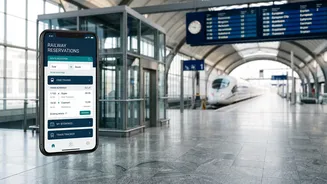
For passengers who have booked their tickets online through the IRCTC website or app, the process is straightforward and largely automated. If your e-ticket remains fully waitlisted after the final reservation chart is prepared, it is automatically cancelled
by the system. You do not need to take any action. Indian Railways will process a full refund, which is credited back to the original source of payment, such as the bank account, credit card, or digital wallet used for the booking. This process typically takes three to seven working days to reflect in your account. It's important to note that you are not allowed to board the train with a fully waitlisted e-ticket that has been dropped from the chart, as you would be considered a passenger without a valid ticket.
What About the Cancellation Fee?
When an e-ticket is automatically cancelled because it remained on the waiting list, a full refund of the fare is initiated. However, there's some conflicting information regarding a 'clerkage charge'. Some railway rules state that a small clerkage fee (around ₹60 per passenger for reserved classes, plus GST for AC coaches) is deducted for any waitlisted ticket cancellation. Other official sources, including IRCTC, state that for an automatically cancelled waitlisted e-ticket, a full refund is credited without deducting any cancellation charges. The general consensus for automatically cancelled tickets is a near-full or full refund of the base fare, though convenience fees paid during booking are typically non-refundable.
The Manual Process for Counter Tickets
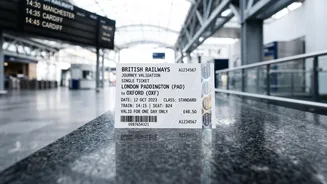
The rules are different and require manual intervention if you purchased a physical ticket from a Passenger Reservation System (PRS) counter at a railway station. Unlike e-tickets, waitlisted counter tickets are not automatically cancelled. To get a refund, you must physically surrender the original ticket at a PRS counter. This must be done up to 30 minutes before the train's scheduled departure time. If you fail to cancel it within this timeframe, you will not be eligible for any refund. Upon cancellation, a refund will be provided after deducting the standard clerkage charge, which is typically ₹60 per passenger.
The Complication of Partially Confirmed Tickets
A common festive travel scenario involves booking for a group or family under a single PNR, where some tickets get confirmed or move to RAC (Reservation Against Cancellation), while others remain waitlisted. In this case, the PNR is considered valid for travel, and the ticket will not be automatically cancelled. The names of both confirmed and waitlisted passengers will appear on the chart. While rules from 2025 state that waitlisted passengers are not permitted to board reserved coaches, this is often subject to the TTE's discretion, who may allow them to share with the confirmed passengers or allot a vacant berth. If the waitlisted passengers decide not to travel, you must file a Ticket Deposit Receipt (TDR) online to claim a refund for them, as automatic cancellation does not apply. This TDR must be filed up to 72 hours after the train's arrival at the destination, and a certificate from the TTE may be required.
What is a Ticket Deposit Receipt (TDR)?
A Ticket Deposit Receipt (TDR) is a formal request for a refund that is filed when automatic or direct cancellation is not possible, particularly after a train's chart has been prepared. For e-tickets, it's an online process through your IRCTC account. You would file a TDR in specific situations, such as when a train is delayed by more than three hours and you decide not to travel, or for claiming a refund for untravelled passengers on a partially confirmed ticket. It's crucial to select the correct reason for filing and adhere to the specified time limits for each claim. Remember, for a fully waitlisted e-ticket, you do not need to file a TDR as the refund is automatic.