





What is Lymphatic Walking?
Lymphatic walking is essentially a mindful approach to your daily stroll, emphasizing posture, deep breathing, and rhythmic arm swings. The trend, popularized on platforms like TikTok, claims to help reduce bloating and puffiness by stimulating the lymphatic
system. While some claims are exaggerated—it's not a magic bullet for weight loss or a “detox”—the underlying principles are sound. It’s less a revolutionary new exercise and more a rebranding of what exercise physiologists have long recommended: a purposeful, well-executed walk. The focus is on the quality of movement, not just counting steps.
The Science of Your Body's 'Second Pump'
To understand why this works, you need to know a little about your lymphatic system. It's a crucial part of your immune system, a network of vessels that clears waste, toxins, and excess fluid from your tissues. But unlike your circulatory system, which has the heart, the lymphatic system has no central pump. It relies on other forces to move fluid, primarily muscle contractions. This is where walking comes in. Every step you take causes muscles in your legs and core to contract and relax, squeezing the lymphatic vessels and pushing the fluid along. This is why your calf muscles are sometimes called the body's 'second heart'—they are vital for pushing fluid up against gravity.
Why Rhythm and Posture Are Key
The “lymphatic walking” trend correctly emphasizes that just shuffling along isn’t enough to get the full benefits. A rhythmic, steady pace is more effective. Consistent, repetitive muscle contractions create a steady pumping action that enhances fluid circulation far better than an erratic, stop-and-start walk. Good posture is equally important. Walking tall with your shoulders relaxed and back allows for deeper, more effective breathing. Deep diaphragmatic (or belly) breathing changes the pressure in your chest and abdomen, which acts as a powerful, central pump to draw lymph fluid up from the lower body and through its largest vessel, the thoracic duct. Hunching over your phone, on the other hand, restricts this process.
How to Walk for Your Health
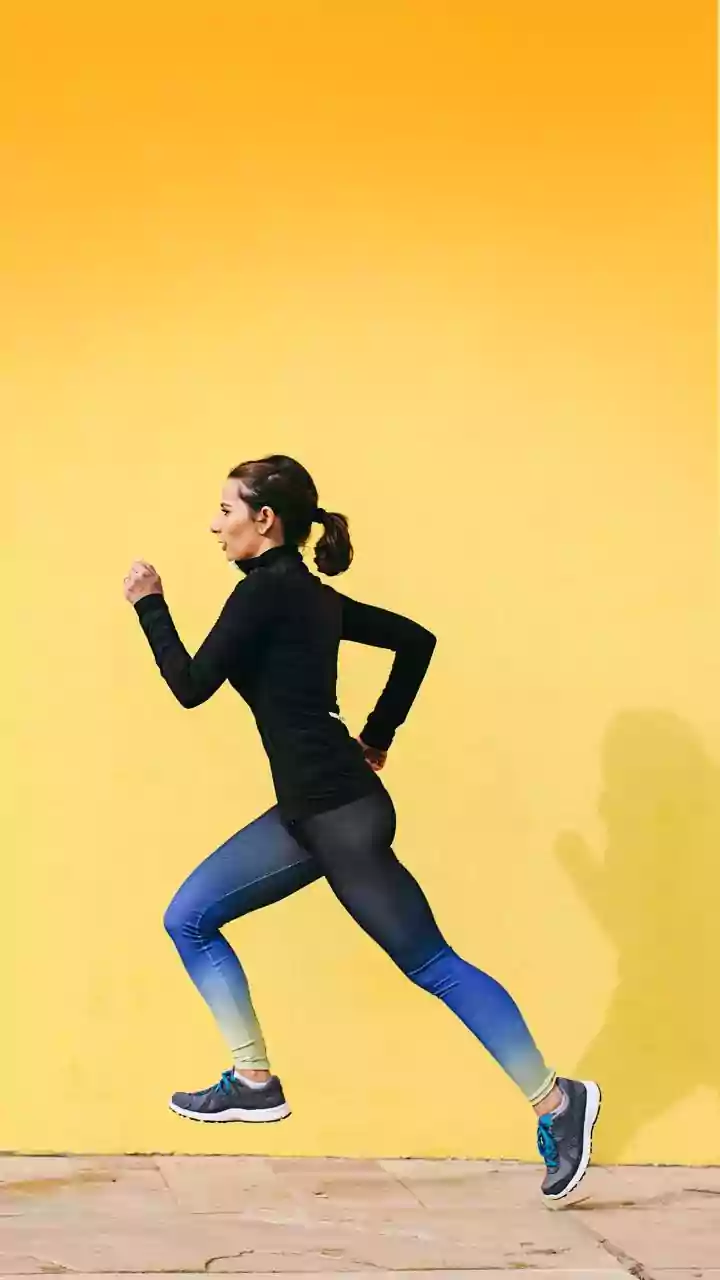
Turning your regular walk into a more beneficial, rhythmic one is simple. The goal isn't speed or intensity, but consistency and form. Start by finding a comfortable pace where you could still hold a conversation. Stand tall, keeping your chin parallel to the ground, and relax your shoulders away from your ears. Let your arms swing naturally from the shoulder, rather than keeping them stiff or in your pockets. This engages your upper body and torso, adding to the full-body muscle activation. Focus on a smooth, heel-to-toe foot strike. As your foot lands, roll from the heel through to the ball of your foot and push off with your toes. This ensures your calf muscles are fully engaged with each step. Finally, coordinate your breathing. Try to breathe deeply into your belly, inhaling through your nose for a count of four and exhaling for a count of four. Even a 20 to 30-minute walk performed this way most days of the week can make a significant difference.