






Before You Go: Visas and Currency
Getting to Oman is straightforward for Indian passport holders. You'll need to apply for an e-visa online before you travel, which is a simple process requiring a valid passport, photo, and proof of accommodation and return flights. The currency is the
Omani Rial (OMR). As of late September 2026, 1 OMR is roughly equivalent to ₹249. While cards are accepted in many places, carrying cash, especially in smaller denominations, is essential for souqs and local eateries. Flights from major Indian cities like Mumbai, Delhi, and Bangalore are often surprisingly affordable, with round-trip tickets available for under ₹20,000 if booked in advance.
Day 1: Arrival in Muscat and Muttrah Souq
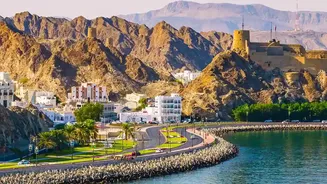
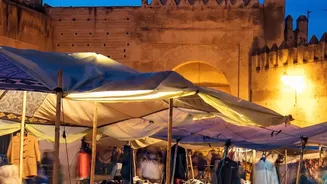
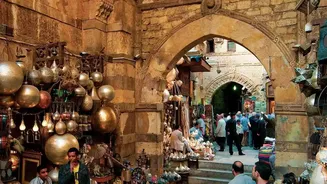
Fly into Muscat International Airport (MCT). To save money, skip the expensive airport taxis and use a ride-hailing app or the Mwasalat public buses to get to your accommodation. Budget-friendly hotels and hostels can be found for ₹2,500-₹4,000 per night. After checking in, spend your evening at the Muttrah Corniche, a beautiful waterfront promenade. As dusk falls, dive into the labyrinthine alleys of the Muttrah Souq, one of the oldest markets in the Arab world. The air is thick with the scent of frankincense and spices. Here, you can shop for silver jewellery, pashminas, and traditional Omani caps called 'kuma'. Remember, bargaining is expected; start your offer at around 60% of the asking price and negotiate politely.
Grand Mosque and Old Muscat
Start your day early with a visit to the magnificent Sultan Qaboos Grand Mosque. Entry is free for non-Muslims from Saturday to Thursday, between 8:00 AM and 11:00 AM. A strict dress code is enforced: women must cover their hair, wrists, and ankles, while men must wear long trousers. The main prayer hall features a spectacular Swarovski crystal chandelier and the world's second-largest hand-woven Persian carpet. Afterwards, take a bus towards Old Muscat to see the iconic Al Alam Palace, the Sultan's ceremonial residence, flanked by the 16th-century Portuguese forts of Al Jalali and Al Mirani. You can only view these from the outside, but they make for fantastic photo opportunities.
The Journey to Historic Nizwa
Today, travel from Muscat to Nizwa, the former capital of Oman. The most budget-friendly option is the Mwasalat bus. The journey from Muscat's Burj Al Sahwa bus station takes about two hours and costs around 2-3 OMR (approximately ₹500-₹750) one way. Upon arrival in Nizwa, check into one of the traditional guesthouses or budget inns located near the souq. Spend the afternoon exploring Nizwa Souq, which is famous for its intricate silverware, pottery, and the lively Friday goat market if your trip timing aligns. In the evening, try some local Omani food like Shuwa (slow-cooked lamb) or Mishkak (grilled meat skewers) from a local restaurant for an authentic and affordable dinner.
Nizwa Fort and Return to Muscat
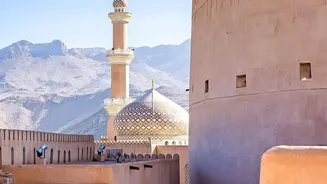
Dedicate your morning to exploring the formidable Nizwa Fort, one of Oman’s most impressive national monuments. The entrance fee for tourists is 5 OMR (around ₹1,250). Climb the massive circular cannon tower for breathtaking 360-degree views of the surrounding date palm oasis and Hajar mountains. The fort contains a museum showcasing the history and craftsmanship of the region, with hidden passages and defence mechanisms that reveal its strategic importance. After immersing yourself in history, grab a final Omani coffee before catching the afternoon bus back to Muscat. You can head straight to the airport for your flight home or stay one more night, depending on your flight schedule.