


More Than Just a Puffy Face
You might spot it one morning: a small, firm swelling on your dog or cat's face, usually just below one eye. It’s easy to assume it’s an insect bite or a minor bump from playing. However, this seemingly minor puffiness is a classic sign of a dental emergency
hiding in plain sight: a tooth root abscess. This is a severe, painful infection that forms a pocket of pus around the root of a tooth. While the infection may have been brewing for weeks or even months, the facial swelling is often the first symptom an owner notices. Because the roots of the upper teeth sit so close to the facial structures, the pressure from the growing abscess has nowhere to go but outward, creating that visible lump.
The Common Culprit: The Carnassial Tooth
In many cases, the problem tooth is the upper fourth premolar, also known as the carnassial tooth. This is a large, three-rooted tooth designed for shearing and crushing hard foods. Its size and function make it particularly vulnerable to fractures. Chewing on hard items like bones, antlers, ice cubes, or even very hard nylon toys can cause a slab fracture, where a piece of the tooth shears off, exposing the sensitive inner pulp to bacteria. Once bacteria invade the pulp, they travel down to the root, leading to inflammation, tissue death, and the formation of a painful abscess.
Other Red Flags to Watch For
While facial swelling is a dramatic sign, it's rarely the only one, though others can be subtle. Pets are masters at hiding pain, but a tooth abscess is intensely uncomfortable. You might notice your pet has suddenly developed very bad breath that goes beyond the typical 'doggy breath'. Other signs of oral pain include reluctance to eat hard food, chewing on only one side of the mouth, dropping food, drooling more than usual, or pawing at the face. Some pets become irritable, lethargic, or shy away from having their head touched. It's important to remember that many dogs will continue to eat despite significant pain, so a normal appetite doesn't rule out a serious dental problem.
What to Do: See Your Veterinarian Promptly
If you notice facial swelling, it’s crucial to see a veterinarian right away. This is not a 'wait and see' situation. An untreated abscess will not heal on its own; the infection will persist and can lead to more severe complications, including bone loss or bacteria entering the bloodstream and affecting vital organs. Your veterinarian will perform a physical examination and likely recommend dental X-rays under anaesthesia to confirm which tooth is affected and assess the extent of the damage. While antibiotics may be prescribed to control the infection and reduce swelling temporarily, they cannot cure the abscess because the source of the infection is sealed inside the tooth.
Treating the Root of the Problem
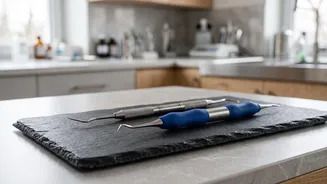
Resolving a tooth root abscess requires addressing the source of the infection. The two primary treatment options are tooth extraction or a root canal. For large, functionally important teeth like the carnassials, a veterinarian may recommend a root canal to save the tooth. However, the most common treatment is extraction. This procedure is done under general anaesthesia to ensure the pet is pain-free. The veterinarian will remove the infected tooth, clean the socket thoroughly, and close the area with sutures. Your pet will be sent home with pain medication and possibly a continued course of antibiotics to ensure the infection fully resolves.
Prevention Is the Best Medicine
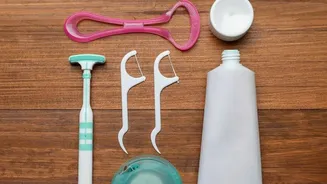
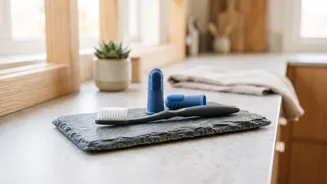
The best way to avoid painful and costly dental emergencies is through proactive care. Periodontal disease, which affects the vast majority of adult pets, is a primary cause of tooth infections. Regular professional dental cleanings by your veterinarian are essential to remove tartar buildup below the gumline. At home, brushing your pet’s teeth daily is the gold standard for preventing plaque accumulation. You can also use dental wipes, water additives, or specific dental diets. Finally, be mindful of what your pet chews. Avoid giving very hard items that can fracture teeth and create a pathway for infection.