





The Problem with All-or-Nothing Thinking
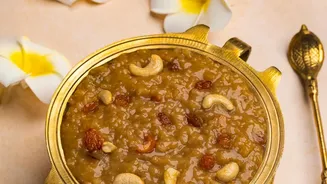
Declaring festive favourites like gulab jamun or biryani completely 'off-limits' often backfires. This strict, all-or-nothing approach can create a powerful psychological backlash. When you label foods as 'bad', you heighten their appeal, which can lead
to intense cravings. Studies and experts suggest that severe dietary restriction can increase stress, anxiety, and even lead to binge-eating episodes where you consume far more than you would have if you had simply allowed yourself a small portion in the first place. This cycle of restriction and overindulgence creates guilt and anxiety, damaging your relationship with food and yourself. It turns festive occasions, which should be about connection and joy, into a source of stress.
Enter Portion Awareness: A Balanced Approach
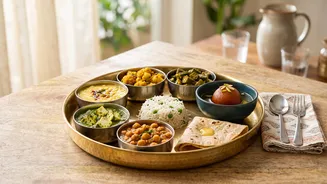
Portion awareness, often linked with mindful eating, is about moderation, not deprivation. It's a shift in mindset from what you eat to how much you eat. Instead of banning your favourite dishes, you learn to enjoy them in sensible amounts. This approach is more sustainable because it doesn’t require you to fight against your cravings or cultural traditions. It allows you to participate fully in celebrations, savour the flavours you love, and still feel in control of your health. By focusing on portion sizes, you can sample a variety of festive dishes without feeling stuffed or guilty later.
How to Practice Portion Control at a Feast
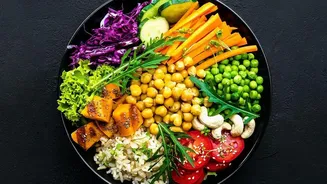
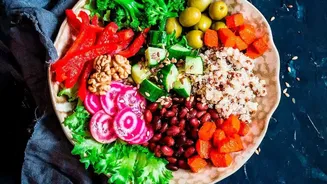
Putting portion awareness into practice doesn't have to be complicated. One of the most effective strategies is to use a smaller plate; studies show we tend to fill whatever size plate we are given, so this simple swap can automatically reduce how much you eat. Before you even fill your plate, take a moment to survey all the options. Decide which dishes are your absolute 'must-haves'. Prioritise those, taking smaller servings. Aim to fill half of your plate with vegetables or a fresh salad first, then add smaller amounts of richer, calorie-dense foods. This ensures you get a good dose of fibre and nutrients, which help you feel full.
Savour Every Bite Through Mindful Eating
Portion control is most effective when paired with mindful eating. The goal is to slow down and truly enjoy your food. It takes about 20 minutes for your brain to receive the signal that you are full, and eating quickly often leads to overeating before that signal arrives. Put your fork down between bites, chew thoroughly, and focus on the taste and texture of the food. Try to minimise distractions like your phone or the television. This practice not only enhances your enjoyment of the meal but also helps you become more attuned to your body’s natural hunger and fullness cues, making it easier to stop eating when you are satisfied, not stuffed.
Beyond the Plate: Other Smart Strategies
A few other habits can support your portion awareness goals. Don't arrive at a party or festive dinner feeling ravenous. Skipping meals earlier in the day to 'save calories' can lead to overeating later. Have a small, protein-rich snack before you go. Staying hydrated is also key; sometimes our brains mistake thirst for hunger, so sipping water throughout the event can help manage your appetite. And remember to be kind to yourself. If you do overindulge, don't see it as a failure. One meal doesn't define your health. Simply return to your balanced habits at the next opportunity.