








What is FSSAI's Big Change?
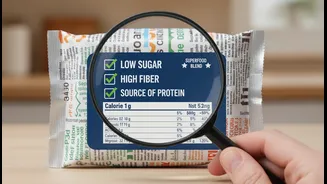
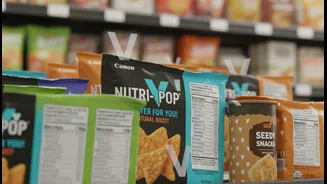
The Food Safety and Standards Authority of India (FSSAI) is implementing a significant overhaul of how packaged foods are labelled. The centerpiece of this initiative is Front-of-Pack Labelling (FoPL). Instead of having to hunt for nutritional information
in a tiny table on the back of a packet, the most critical details will be displayed prominently on the front. This move is part of a broader crackdown on misleading claims and aims to bring greater transparency to the food industry. The goal is to empower you, the consumer, with clear, at-a-glance information about what you're eating.
From Fine Print to Front-of-Pack
The new regulations focus on highlighting nutrients that are a public health concern when consumed in excess: high fat, sugar, and salt (often called HFSS foods). While the final system is still being rolled out, the FSSAI has proposed an 'Indian Nutrition Rating' (INR) system. This will likely be a star-rating system, from a half-star (least healthy) to five stars (healthiest), helping shoppers quickly compare the overall nutritional value of similar products. The ratings will be calculated based on the levels of saturated fat, total sugar, and sodium, balanced against positive nutrients like protein, fibre, fruits, and millets. Additionally, details like added sugar content and their percentage contribution to your Recommended Daily Allowance (%RDA) must now be more prominent.
Why This Crackdown is Happening Now
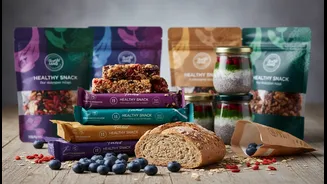
This regulatory push is a direct response to rising public health concerns in India. The increasing incidence of lifestyle diseases such as obesity, diabetes, and heart conditions has been linked to diets high in processed foods. By making nutritional information easier to understand, the FSSAI aims to nudge consumers toward healthier eating habits. The crackdown also targets misleading marketing. In recent months, FSSAI has issued notices to numerous companies for using unverified claims like "100% Natural," "Healthy," or for marketing products with names that suggest health benefits without scientific backing. This ensures that the claims on the package are trustworthy and scientifically sound.
A Shopper's Guide to the New Labels
When these new labels appear on shelves, here’s what to look for. First, check the front of the pack for the Indian Nutrition Rating (INR) stars—more stars are better. Second, even if a product has a decent star rating, quickly scan the ingredient list. Ingredients are listed in descending order by weight, so if sugar or salt is one of the first few items, be mindful. Also, look for the mandatory green dot in a square for vegetarian products and a brown dot for non-vegetarian items, which must be displayed prominently. Finally, FSSAI has made allergen declarations clearer, requiring a separate "Contains:" statement in bold, making it easier for people with food sensitivities to shop safely.
Impact on Brands and Your Favourite Products
Food companies are now under pressure to be more transparent, and in some cases, to reformulate their products to earn a better health rating. The regulations have tightened rules around what can be called a "health drink" and how terms like "organic" or "natural" can be used, requiring proper certification and scientific backing for all health claims. This means some of your go-to snacks and drinks might see a change in their packaging or even their recipe. The ultimate goal is to foster a market where healthier products are not just available, but also easily identifiable, encouraging brands to compete on nutritional quality, not just catchy marketing.