



The Fibre Factor
The most significant difference between drinking juice and eating fruit is fibre content. Juicing, whether at home or commercially, separates the liquid from the skin and pulp, which is where most of the dietary fibre resides. Whole fruits are packed
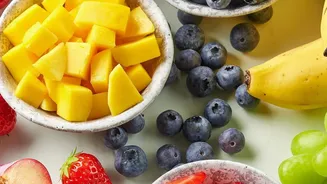
with both soluble and insoluble fibre. This fibrous structure is crucial; it acts like a net, trapping the fruit's natural sugars (known as intrinsic sugars). This slows down their absorption into the bloodstream, preventing the sharp spikes in blood sugar that can happen after drinking juice. Without fibre, the sugar in juice is considered 'free sugar', which hits your system much faster, similar to other sugary drinks.
The Fullness Signal from Texture
This is where texture plays a starring role. Chewing a whole fruit is a physical process that takes time. The crunch of an apple or the segments of an orange provide sensory feedback and bulk. This process, combined with the fibre filling your stomach, sends powerful signals to your brain that you are full and satisfied. Studies have shown that people feel significantly fuller and consume fewer calories in a subsequent meal after eating a whole apple compared to drinking apple juice. The solid form of the fruit simply has a greater effect on satiety than its liquid counterpart. A drink, even one with added fibre, doesn't provide the same level of satisfaction because it is consumed much more quickly and bypasses the crucial step of chewing.
A Question of Quantity and Nutrients
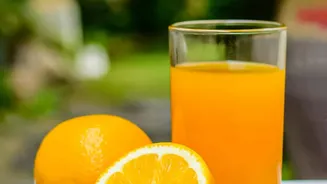
Consider how many fruits it takes to make a single glass of juice. You might press three or four oranges for one small glass, consuming the sugar from all of them in minutes. Eating three or four whole oranges in one sitting would be a much bigger, more filling task. Furthermore, the juicing process can lead to a loss of certain nutrients. Vitamins like Vitamin C and various antioxidants are sensitive to oxygen and light. The moment fruit cells are broken down by a juicer, oxidation begins, which can degrade these valuable compounds. While fresh juice certainly still contains vitamins and minerals, the whole fruit delivers them in a more complete and stable package.
The Glycemic Impact
The Glycemic Index (GI) measures how quickly a food raises blood glucose levels. Due to the lack of fibre, fruit juice has a consistently higher GI than its whole fruit equivalent. For example, a whole orange has a low GI of around 43, while orange juice jumps to a medium GI of about 57. This rapid sugar absorption from juice causes a more dramatic insulin response from the body. For individuals managing blood sugar, or even for those just looking for sustained energy, whole fruits are the superior choice because they provide a slower, more controlled release of energy.
So, Is There a Place for Juice?
Despite the clear advantages of whole fruit, juice is not entirely without merit. It can be a convenient way to get a concentrated dose of vitamins, especially for those who struggle to eat enough fruits and vegetables or for individuals with certain medical conditions requiring a low-fibre diet. It can also be a good way to rehydrate while getting some nutrients. The key is to view juice as a supplement or an occasional treat, not a replacement for whole fruits. If you do opt for juice, choosing a small portion of freshly made, unsweetened juice is the best approach to maximise nutrients and minimise the sugar rush.