








Why Your Scalp Gets Greasy
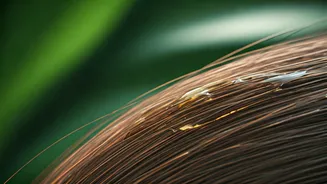
The moment monsoon season hits, the air becomes saturated with moisture. This excessive humidity wreaks havoc on our scalp's natural balance. Your scalp has sebaceous glands that produce sebum, a natural oil meant to moisturise and protect your hair.
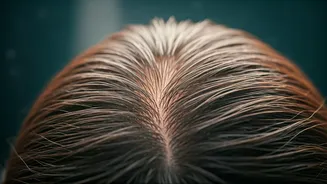
However, the high humidity signals these glands to go into overdrive. The result is an overproduction of sebum, leading to a greasy, oily scalp. This oily environment becomes the perfect breeding ground for fungal infections, dandruff, and inflammation. The excess oil also weighs your hair down, making it look limp and lifeless, while clogged follicles can lead to increased hair fall.
Adjust Your Hair Wash Routine
Many people fear that washing their hair too often will strip it of natural oils. While this can be true in dry weather, the rules change during the monsoon. Letting sweat, rainwater, and excess sebum sit on your scalp for days is a recipe for disaster. It can lead to itchiness, smelly scalp, and severe dandruff. During the monsoon, it's essential to keep your scalp clean. You may need to wash your hair more frequently than usual—perhaps every other day or even daily if you have a very oily scalp or have been exposed to rain. The key is not just how often you wash, but what you wash with.
Choose Your Shampoo Wisely
Your regular moisturising shampoo might not be up to the task during these humid months. Switch to a gentler, clarifying shampoo that can effectively remove excess oil and product build-up without being overly harsh. Look for products with ingredients known for controlling oil and fighting dandruff, such as tea tree oil, salicylic acid, or ketoconazole. A shampoo with antifungal and antibacterial properties can be particularly beneficial. Don't forget to lather up twice: the first wash removes the surface-level grease and dirt, while the second wash cleanses the scalp itself.
Condition Correctly, Not Excessively
An oily scalp doesn't mean you should skip conditioner. The ends of your hair, being the oldest part, still need hydration to prevent them from becoming dry and frizzy—a common monsoon complaint. The trick is in the application. Never apply conditioner to your scalp, as this will only add to the oiliness and weigh your roots down. Instead, apply a small amount of a lightweight conditioner only from the mid-lengths to the ends of your hair. Leave it on for a minute or two before rinsing thoroughly.
Harness the Power of Natural Packs
Give your scalp a weekly deep-cleanse with a natural hair pack. These simple DIY treatments can absorb excess oil and soothe the scalp. A pack made from Multani Mitti (Fuller's earth) mixed with a little water or rose water is excellent for absorbing oil. Another effective option is a paste of neem leaves, which are known for their powerful antibacterial and antifungal properties. You can also use a diluted solution of apple cider vinegar (one part vinegar to four parts water) as a final rinse after washing your hair. This helps restore the scalp's pH balance and adds a beautiful shine.
Simple Habits for Happy Hair
Small changes in your daily routine can make a big difference. First, never tie up or cover wet hair. This traps moisture against the scalp, creating a humid microenvironment that encourages fungal growth. Let your hair air-dry as much as possible. Second, avoid using very hot water for your hair wash, as it can stimulate sebum production. Lukewarm or cool water is best. Finally, ensure your combs, brushes, and pillowcases are clean. They can accumulate oil, dirt, and bacteria, which you then transfer back onto your clean scalp.