





A Classic Flower's New Calling
For years, gardeners have planted marigolds for their cheerful colours and pest-repelling properties. Their strong scent is known to deter common garden nuisances, making them a trusted companion for vegetable patches. However, their role in attracting
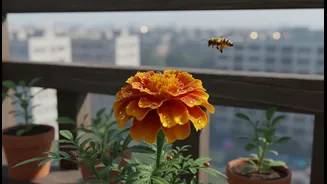
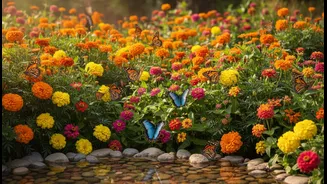
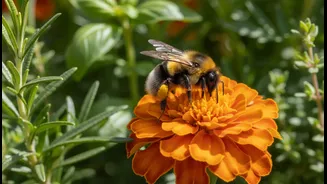
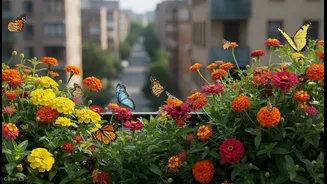
beneficial insects like bees and butterflies has often been overlooked. Now, as awareness grows about the decline of pollinator populations in urban areas due to habitat loss, the simple marigold is being seen in a new light. Gardeners are realising that even a few pots on a balcony can create a much-needed food source for the insects responsible for pollinating a vast number of our food crops.
Not All Marigolds Are Created Equal
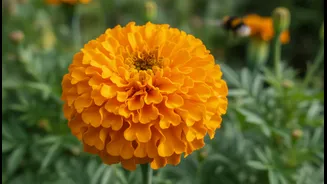
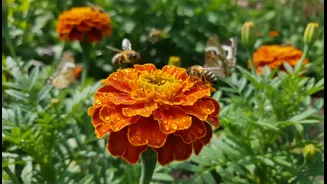
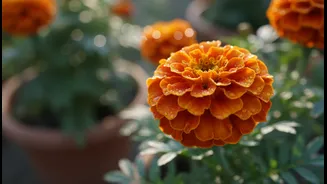
Here is the most critical piece of information for aspiring pollinator-gardeners: the type of marigold you plant matters immensely. The most effective varieties for pollinators are those with open, single-petal-layer flowers. French marigolds (Tagetes patula) and Signet marigolds (Tagetes tenuifolia) are excellent choices because their pollen and nectar are easily accessible to bees and butterflies. In contrast, many of the large, fluffy 'double bloom' varieties, which have been bred for dense layers of petals, are practically useless for pollinators. In these flowers, the nectar-producing parts have been replaced by extra petals, creating a beautiful but inaccessible bloom. Always opt for the 'open-faced' varieties to ensure you’re actually feeding your tiny visitors.
Creating Your Pollinator Pot
Starting a marigold pot is one of the easiest entry points into pollinator gardening. First, choose a container with good drainage holes; terracotta pots are an excellent choice. Marigolds thrive in full sun, so place your pot in a location that receives at least six hours of direct sunlight per day. Use a quality potting mix, and consider adding a little sand to improve drainage. Water regularly, but allow the soil to dry out slightly between waterings to prevent root rot. To encourage continuous blooming throughout the season, simply pinch off spent flowers—a practice known as 'deadheading'. This simple care routine will ensure a steady supply of flowers for pollinators from spring through autumn.
More Than Just a Pretty Face
The benefits of planting marigolds extend beyond their beauty and pollinator-friendliness. They are renowned for their ability to combat root-knot nematodes, microscopic soil pests that can damage the roots of many vegetable plants, including tomatoes and peppers. This makes them a fantastic companion plant in kitchen gardens, even those grown in containers. Their strong scent also helps deter other pests like whiteflies and aphids, reducing the need for chemical pesticides. By planting marigolds, you are not only feeding bees but also creating a healthier, more balanced ecosystem for all your plants.
Building a Complete Balcony Haven
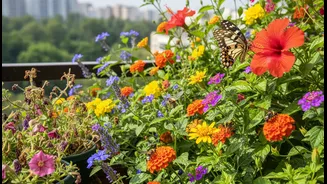
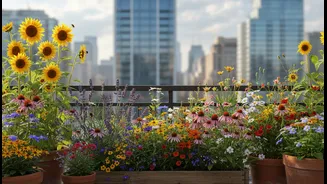
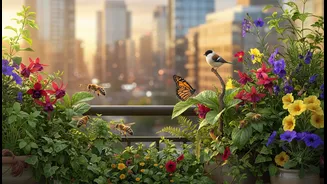
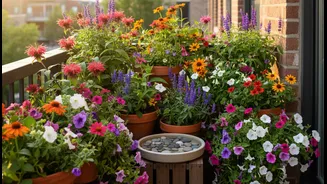
While marigolds are a fantastic start, the best pollinator gardens offer variety. To create a truly buzzing balcony, combine your marigolds with other pollinator-friendly plants that thrive in Indian climates. Consider adding pots of Tulsi (Holy Basil), whose small flowers are a bee magnet, or Zinnia, which attracts butterflies with its vibrant colours. Jasmine and Hibiscus are other culturally significant plants that provide valuable nectar. For a diverse offering, include herbs like Lavender and edible flowers like Nasturtiums, which are also loved by bees. By mixing different flower shapes, colours, and bloom times, you provide a continuous feast for a wider range of pollinators.