



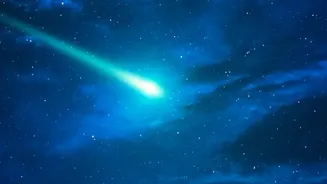

The Cosmic Show of August 2026
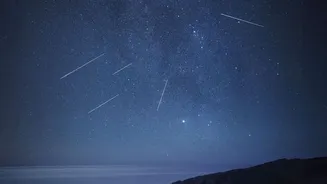
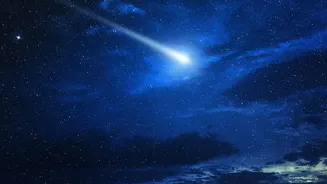
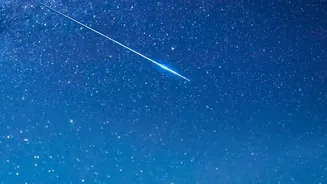
The annual Perseid meteor shower is one of the most reliable and spectacular astronomical events, and 2026 is a particularly special year for it. The shower's peak, on the night of August 12-13, coincides perfectly with a new moon, which means the sky
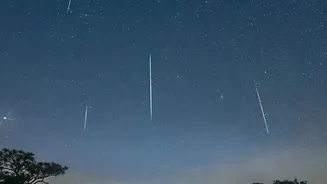
will be completely dark and free of moonlight. This rare alignment creates ideal conditions for viewing, allowing even the faintest meteors to shine. Caused by Earth passing through the trail of debris left by Comet Swift-Tuttle, the Perseids are known for their bright, fast meteors, with observers in dark locations potentially seeing up to 100 shooting stars per hour. For viewers in India, the best time to watch will be in the early morning hours of August 13, between 2:00 AM and dawn, when the shower's radiant point in the constellation Perseus is high in the sky.
Hanle, Ladakh: India’s Window to the Universe
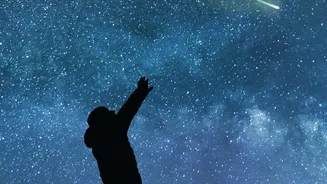
For the ultimate stargazing experience, no place in India compares to Hanle in Ladakh. Officially designated as India's first Dark Sky Reserve, this remote, high-altitude region offers some of the clearest and darkest skies on the planet. Located within the Changthang Wildlife Reserve at an altitude of over 4,500 metres, Hanle is virtually free of light pollution and benefits from a dry, stable atmosphere. These pristine conditions mean the Milky Way is visible in breathtaking detail, and even the Andromeda Galaxy can be spotted with the naked eye. The local community is actively involved in astro-tourism, with trained Astronomy Ambassadors who guide visitors using telescopes, making a trip here a truly immersive and supportive experience.
Spiti Valley, Himachal Pradesh: A High-Altitude Haven
Often called a 'cold desert', Spiti Valley is another premier destination for night sky observers. Its high altitude, sparse population, and remote location ensure minimal light pollution and stunningly clear nights. Villages like Kaza, Langza, and Kibber are popular bases for stargazers, offering unobstructed horizons perfect for watching meteor showers. The dramatic landscape, dotted with ancient monasteries, provides a surreal backdrop for the celestial display. The Himachal Pradesh government has also promoted astro-tourism in the region by training locals and providing equipment, enhancing the experience for visitors. Due to the monsoon affecting other parts of India, the dry, high-altitude deserts of Spiti and Ladakh are considered the most reliable bets for clear skies in August.
The Rann of Kutch, Gujarat: A Vast Celestial Canvas
The great white salt desert of the Rann of Kutch offers a unique and accessible stargazing experience. During the dry season (October to February), the clear desert air and expansive horizons create an incredible setting for viewing the cosmos. On a dark night, the vast, white landscape can even reflect the starlight, creating an ethereal feeling of being surrounded by the sky. While August is not its prime season due to the monsoon, the regions of the Thar Desert and Kutch are considered good secondary options if weather permits, as they are in rain-shadow areas. Locations away from the main festival areas provide the darkest conditions for an unforgettable night under the stars.
Tips for the Perfect Meteor Viewing Night
To make the most of the Perseid meteor shower, a little preparation goes a long way. First, you don't need a telescope or binoculars; the naked eye is best for spotting meteors across a wide patch of sky. Find a location as far away from city lights as possible. Give your eyes at least 20-30 minutes to fully adjust to the darkness, and avoid looking at your bright phone screen. The best viewing time is generally between midnight and the hours just before dawn. Get comfortable—a reclining chair or a blanket on the ground is ideal. Even in August, nights can get chilly, especially at altitude, so bring warm layers. Finally, be patient; the reward is a front-row seat to one of nature's most magical displays.