



Choose Your Digital Window to the Stars
The first step to becoming a balcony astronomer is downloading a stargazing app. These powerful tools use your phone's location and sensors to create a real-time map of the sky. Simply point your device upwards, and the app will identify stars, constellations,
planets, and even satellites. For beginners, apps like Star Walk 2 and SkyView Lite are fantastic choices. They offer user-friendly interfaces and augmented reality (AR) overlays that make identifying celestial objects intuitive and fun. Star Walk 2 is often praised for its beautiful visuals and educational content, while SkyView is known for its simplicity. Another top contender is Stellarium Mobile, which provides a highly realistic and detailed sky map, making it a favorite among both novices and experienced users. Most of these apps have excellent free versions that are more than capable of getting you started.
Create Your Urban Observatory
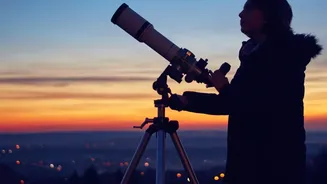
Your balcony might not be a remote mountain peak, but you can still optimize it for stargazing. The biggest challenge in any city is light pollution, the glow from artificial lights that washes out fainter stars. Start by making your immediate surroundings as dark as possible. Turn off your own balcony and indoor lights. If a neighbor's security light or a nearby streetlight is intruding, try to use natural barriers like walls or even a strategically placed screen to block the direct glare. The higher your vantage point, the better, as getting above street-level lights can offer a clearer view. Finally, give your eyes time to adapt. It takes about 20-30 minutes for your vision to adjust to the darkness, which will help you spot more objects in the sky. Avoid looking at your bright phone screen; most stargazing apps feature a red-light “night mode” that helps preserve your night vision.
Know What to Look For
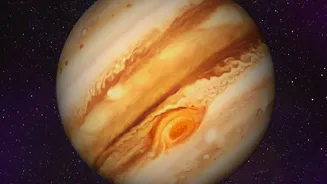
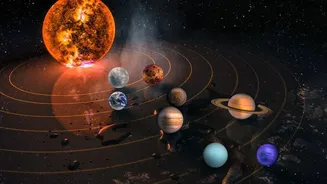
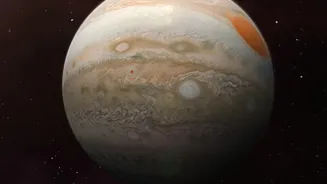
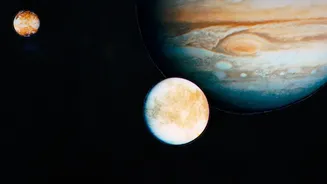
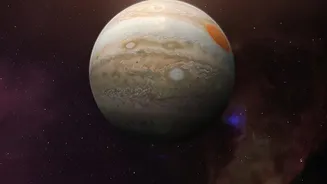
Managing expectations is key to enjoying urban stargazing. You won't see the Milky Way splashed across the sky, but there are plenty of bright, rewarding targets that can cut through the city glow. The Moon is the most obvious and spectacular object to observe. Even with the naked eye, you can follow its phases. The brightest planets—Venus, Jupiter, Mars, and Saturn—are often visible and look like exceptionally bright, steady stars. Your app can tell you which ones are currently in the sky and where to find them. Beyond planets, focus on learning the most prominent constellations, such as Orion with its distinct belt in the winter or the Big Dipper, which is part of Ursa Major. Apps are brilliant for this, as their AR feature can draw the constellation lines for you, helping you connect the dots.
Putting Your App to Work
Once you're set up, using your app is simple. Open it and allow it to access your location. Point your phone toward any bright object in the sky. The app will overlay names and information, instantly telling you if you're looking at the planet Jupiter or the star Sirius. Use the app's search function to find specific targets. For example, if you know Jupiter is visible, you can search for it, and the app will direct you where to point your device. Many apps also let you track satellites. Getting an alert that the International Space Station (ISS) will be passing overhead and then watching it glide across the sky is a uniquely rewarding experience. Some apps also feature a time-travel function, allowing you to see what the sky will look like in the future or what it looked like in the past, which is a great way to plan your viewing sessions.