




Embrace a Burst of Colour
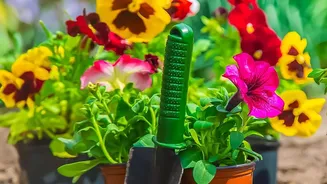
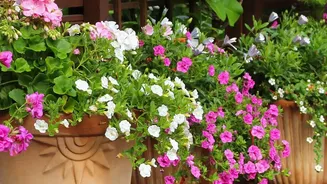
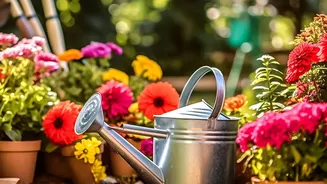
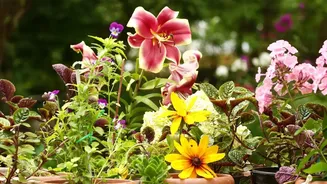
Flowering plants that adore the rainy season can instantly brighten up a balcony or terrace. Hibiscus, a garden staple across India, grows vigorously during the monsoon, producing its large, iconic blooms. Similarly, Balsam is a classic rainy-season flower
that thrives in moist and humid conditions, offering a splash of pink, purple, and red. Another favourite is the Periwinkle, a hardy and low-maintenance option that tolerates heavy rain and provides continuous colour. These plants not only add visual appeal but are well-suited to the warmth and moisture that the season brings.
Introduce Lush, Tropical Foliage
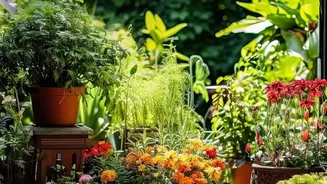
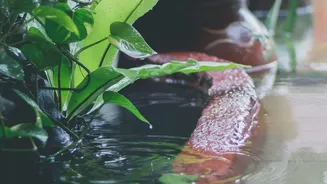
The monsoon is the ideal time for foliage plants that love humidity. Many tropical plants that grow under rainforest canopies in the wild appreciate the conditions of an Indian monsoon. Money Plants (Pothos), various types of Ferns, and Areca Palms are excellent choices that add a touch of the tropics to your space. These plants enjoy the ambient moisture and their leaves look particularly lush and refreshed after a gentle rain. You can even move some of your hardier indoor plants, like Snake Plants or ZZ Plants, to a sheltered outdoor spot to benefit from the humid air.
Grow Your Own Fragrant Herbs
A small herb garden can be incredibly rewarding, and many varieties flourish during the monsoon. Mint (Pudina) and Coriander (Dhania) are relatively easy to grow in containers and enjoy the moist conditions. The rainy season is also a traditional planting time for rhizomes like ginger and turmeric, which can be grown in deep bags or pots. Having fresh herbs on hand not only adds flavour to your cooking but also brings a wonderful aroma to your green corner.
The Golden Rule: Ensure Proper Drainage
The single biggest threat to balcony plants during the monsoon is waterlogging. While plants enjoy the moisture, their roots need oxygen to survive, and constantly sodden soil can lead to root rot. The fix is simple: ensure every pot has drainage holes at the bottom. Using a well-aerated soil mix—often a combination of soil, compost, and coco-peat or sand—can significantly improve drainage. For added protection, you can elevate your pots on small bricks or stands to prevent them from sitting in pooled water after a heavy downpour.
Monsoon Plant Care Essentials
Caring for plants in the rainy season is more about management than effort. First, resist the urge to overwater. On days with rainfall, your plants likely won't need any extra water; always check if the top inch of soil is dry before watering. The high humidity also creates a perfect breeding ground for pests and fungal diseases. Regularly inspect your plants, especially the undersides of leaves, for any issues. A preventive spray of diluted neem oil every week or two can help keep common pests at bay. Finally, good air circulation is key, so avoid overcrowding your plants to allow them to breathe and dry out between showers.